
Contractor Licensing and Permits: Staying Legal and Organized
Contractor licensing and permits are one of those things many contractors know are important, but still end up pushing to the side until something goes wrong. A project gets delayed. An inspector shows up. A client asks for proof. Or worse, a fine or stop-work order lands out of nowhere. That is usually when people realize how serious this stuff actually is.
In 2026, staying legal as a contractor is not just about avoiding trouble. It is about staying in business. Rules are tighter, enforcement is more active, and clients are far more aware than they used to be. Many property owners, developers, and even homeowners will not work with contractors who cannot clearly show they are properly licensed and permitted.
The confusing part is that contractor licensing and permits are not simple. They change by state, by city, and sometimes by job type. One project might need multiple approvals. Another might seem simple, but still requires permits you did not expect. This is where a lot of contractors get stuck, not because they are careless, but because the system itself is complicated.
This article is not here to scare you or talk like a legal guide. It is here to explain contractor licensing and permits the way real contractors experience them. How they affect your daily work, your reputation, and your ability to take on better projects. In this first part, we will focus on the foundation. What contractor licensing really means, why permits matter so much, and how staying organized makes everything easier in the long run.
Contractor Licensing and Permits Start With Understanding Construction Licensing

Contractor licensing and permits always begin with construction licensing. Without a valid license, nothing else really matters. Your skills, experience, and reputation may be strong, but legally, you cannot operate without the proper license.
Construction licensing exists to protect everyone involved. Clients want to know they are hiring someone qualified. Cities want to ensure work meets safety standards. Insurance companies want proof that contractors meet legal requirements. Contractor licensing and permits sit right at the center of all that.
One mistake many contractors make is assuming one license covers everything. In reality, construction licensing often depends on the type of work you do. General contractors, electricians, plumbers, HVAC professionals, and specialty trades usually require different licenses. Some licenses are state-issued. Others are local. Some require testing, while others require proof of experience.
Contractor licensing and permits also involve renewals. Licenses expire. Requirements change. Missing a renewal deadline can put you in an unlicensed position without you even realizing it. That is where organization becomes critical.
Understanding your construction licensing requirements clearly is the first step toward staying legal. When licensing is handled properly, permits and inspections later become much smoother.
Why Building Permits Matter More Than Most Contractors Think
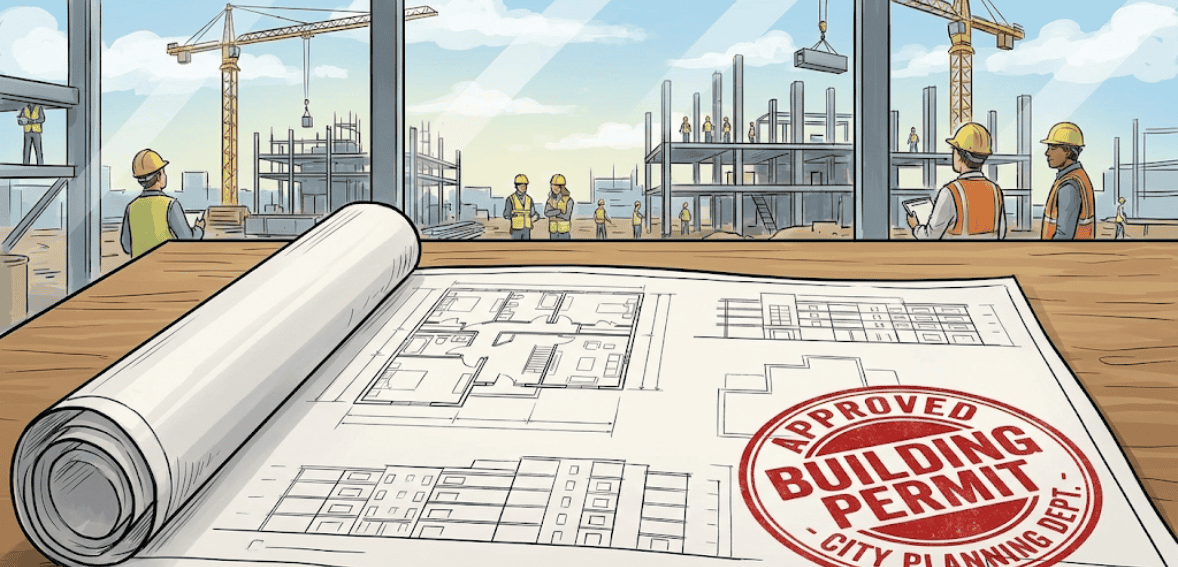
Building permits are often viewed as annoying delays. Something that slows work down and adds paperwork. But contractor licensing and permits are closely connected, and permits play a bigger role than many contractors realize.
Building permits exist to ensure that work is done safely and in accordance with code. Inspectors are not there to make life difficult. They are there to prevent unsafe construction that could cause injuries, damage, or long-term problems. When work is done without proper permits, responsibility falls directly on the contractor.
One common mistake is assuming permits are the client’s problem. In many cases, contractors are still responsible for ensuring permits are pulled correctly, even if the client is involved. Contractor licensing and permits work together here. Being licensed does not protect you if you are missing permits.
Permits also protect contractors. When a job is properly permitted and inspected, there is a clear record of approved work. This helps if disputes arise later. If something fails after inspection, responsibility is easier to trace.
In 2026, permit tracking is becoming more digital, but that does not mean it is simpler. Each jurisdiction has its own system, timelines, and expectations. Contractors who take building permits seriously avoid delays, fines, and stop-work orders that can damage cash flow and reputation.
Contractor Licensing and Permits Help Build Trust With Clients

Trust is a big reason contractor licensing and permits matter so much today. Clients are more cautious. They research contractors before hiring. They ask for proof. They check reviews. Licensing and permits are often the first things they look for.
When you can clearly show that your contractor licensing and permits are in order, it sends a strong message. It tells clients you run a legitimate business. It tells them you care about safety, quality, and compliance. That confidence often leads to better projects and smoother relationships.
On the flip side, missing paperwork creates doubt. Clients start wondering what else might be overlooked. Even skilled contractors lose work because they cannot provide proper licensing or permit documentation quickly.
Contractor compliance is not just about rules. It is about professionalism. In competitive markets, licensed and permitted contractors stand out. They win bids not just on price, but on reliability.
Being organized with contractor licensing and permits also saves time. When documents are ready, onboarding with new clients moves faster. Projects start sooner. Construction Payments happen with fewer delays.
How Poor Organization Creates Licensing and Permit Problems
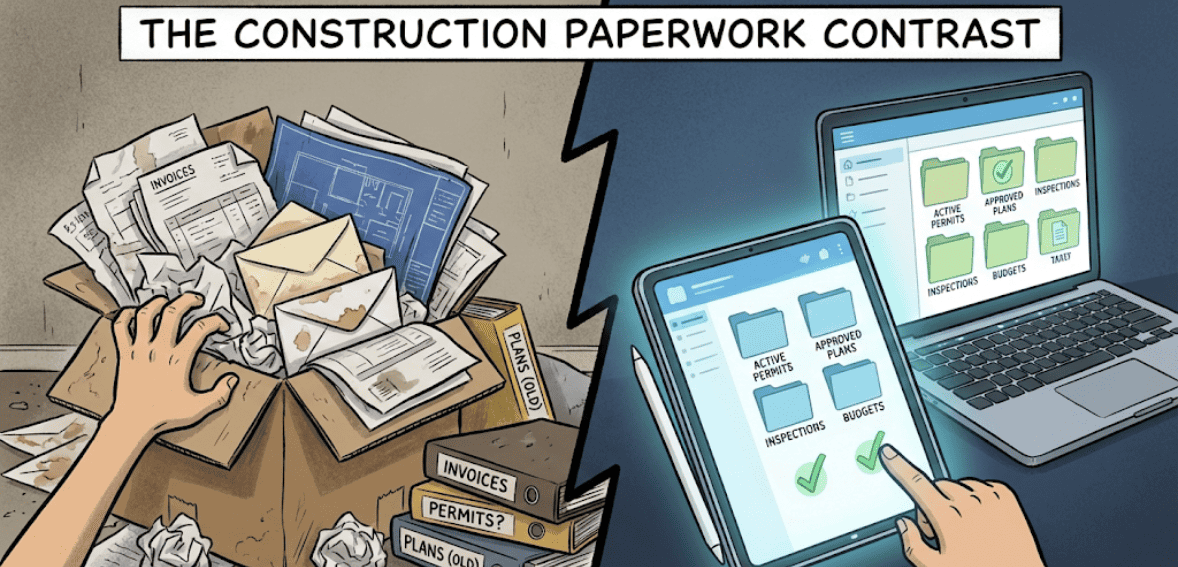
Most licensing and permit issues do not come from intentional rule-breaking. They come from a poor organization. Missed emails. Expired licenses. Lost permit numbers. Confusion between projects. Contractor licensing and permits require tracking, and tracking requires systems.
When contractors manage multiple jobs, paperwork piles up fast. Each job may have different permits, inspections, and approval timelines. Without organization, it becomes easy to lose track of what is approved and what is still pending.
Poor organization also leads to reactive behavior. Contractors scramble when inspectors show up. They rush to renew licenses after realizing something expired. This creates stress and risk that could have been avoided.
Contractor licensing and permits work best when handled proactively. Keeping records up to date, setting renewal reminders, and maintaining clear files for each project reduce mistakes. Organization is not about perfection. It is about awareness.
In 2026, staying organized is no longer optional. Contractor compliance depends on it. Those who build simple systems around licensing and permits spend less time fixing problems and more time actually doing the work.
Contractor Licensing and Permits Require Ongoing Contractor Compliance

One of the biggest misunderstandings about contractor licensing and permits is that compliance is a one-time task. Get licensed once, pull a permit, pass an inspection, and you’re good forever. That is not how it works in the real world. Contractor compliance is ongoing, and ignoring that reality is the root of most legal problems.
Licensing rules change. Permit requirements get updated. Local regulations shift in response to safety issues, zoning changes, or new building standards. A contractor who was compliant two years ago might be out of compliance today without realizing it. That is why contractor licensing and permits must be reviewed regularly, not just when a new job starts.
Another issue is scope creep. A project starts as one type of work and slowly expands. Additional electrical work, structural changes, or system upgrades get added. Suddenly, the original permit no longer covers the work being done. Contractor compliance requires recognizing when new permits or approvals are needed and acting before inspectors catch the issue.
Staying compliant also protects your license. Violations tied to permit issues or unlicensed work can lead to suspensions, fines, or permanent damage to your record. Contractor licensing and permits are directly connected to your ability to keep working legally.
Contractors who treat compliance as part of normal operations sleep better. They are not constantly worried about inspections or audits. They know where they stand, and that confidence shows in how they run their business.
How Contractor Licensing and Permits Affect Project Timelines
Project delays are expensive. Missed deadlines frustrate clients and hurt cash flow. Contractor licensing and permits play a huge role in how smoothly timelines move, even though many contractors do not realize it until something goes wrong.
When permits are not pulled on time, work stops. Inspectors issue stop-work orders. Crews stand around waiting. Materials sit unused. Contractor licensing and permits directly affect scheduling, even if they are not part of the physical work.
Another timeline issue comes from inspections. If work is completed before an inspection is approved, it may need to be redone. That costs time and money. Proper permit sequencing prevents this. Contractor compliance means understanding inspection stages and planning work accordingly.
Clients also contribute to delays when they are not informed. When contractors explain permit timelines upfront, expectations stay realistic. Surprises create tension. Clear communication about contractor licensing and permits helps protect relationships and schedules.
In 2026, organized contractors build permit timelines into project planning. They treat approvals as part of the job, not obstacles. That mindset keeps projects moving instead of constantly restarting.
Also read: Improving Project Coordination for Contractors with Cloud Technology
Contractor Licensing and Permits Protect Contractors During Disputes
Disputes happen, even when work is done well. Clients change their minds. Problems surface months later. Neighbors complain. Contractor licensing and permits become critical protection in these moments.
When work is licensed, permitted, and inspected, there is a clear legal record showing compliance with codes at the time of construction. That record matters. It shifts responsibility and reduces liability when questions arise later.
Unpermitted work creates risk. Even small projects can turn into legal problems if something fails or causes damage. Contractor licensing and permits act as documentation that the work was approved and verified.
Insurance claims also depend on compliance. Many policies require proof that work was legally permitted. Missing permits can complicate or invalidate claims. Contractor compliance is not just about rules; it is about financial protection.
Contractors who stay organized with licensing and permits are better positioned to defend their work. They rely on records, not memory. That difference matters when disputes escalate.
Why Contractor Licensing and Permits Support Long-Term Business Growth

Contractor licensing and permits are not just about staying out of trouble. They are about growth. Licensed and compliant contractors qualify for bigger projects, better clients, and stronger partnerships.
Many commercial and government projects require strict proof of licensing and permit history. Contractors who cannot provide that documentation get filtered out early. Staying organized opens doors.
Reputation also grows with compliance. Clients talk. Developers remember contractors who handle permits smoothly and keep projects legal. That reliability leads to repeat work and referrals.
In 2026, the most successful contractors treat licensing and permits as part of branding. They position themselves as professionals, not just skilled workers. Contractor compliance becomes a competitive advantage.
Growth requires stability. Contractor licensing and permits provide that foundation. Without them, businesses remain stuck reacting to problems instead of building forward.
Conclusion
Contractor licensing and permits are not optional details or paperwork to deal with later. They are the framework that keeps contractors legal, organized, and trusted. From construction licensing to building permits and ongoing contractor compliance, staying on top of these requirements protects your work, your income, and your future. In 2026, contractors who succeed treat licensing and permits as part of the job, not a distraction from it.
FAQs
Do all contractor jobs require permits?
No, but many do. Requirements vary by location and job type, so it’s important to check before starting work.
Can a contractor work while a license renewal is pending?
In most cases, no. Working with an expired license can lead to fines or suspension.
Who is responsible for pulling building permits?
Responsibility varies, but contractors are often legally responsible even if the client is involved.
What happens if work is done without a permit?
It can result in stop-work orders, fines, forced removal of work, and future licensing issues.
How can contractors stay organized with licensing and permits?
By tracking renewals, keeping project records, and building permit timelines into job planning.