

Social Media and Content Marketing for Trades: Engaging the Modern Customer
Social media marketing for trades used to feel optional. Something nice to have if you had extra time or a younger team member who “understood the internet.” In 2026, that thinking is outdated. Customers now expect to see trades businesses online before they ever pick up the phone. They want to know who you are, how you work, and whether you feel trustworthy. Social media and content marketing are no longer about popularity. They are about reassurance.
Modern customers behave differently than they did years ago. Even when someone is referred by a friend, they still check online. They scroll. They skim. They look for signs that a business is active, professional, and real. If they find nothing, or worse, something outdated and sloppy, doubt creeps in. And doubt sends people to competitors.
For trade businesses, this can feel frustrating. You are busy on jobsites. You work with your hands. You solve real problems. Posting online can feel fake or pointless. But social media marketing for trades is not about being flashy or viral. It is about showing up consistently and clearly so customers feel confident choosing you.
This article is written for real trades people. Plumbers, electricians, HVAC technicians, builders, landscapers, and anyone running a hands-on business. Explanations about how content marketing and social media actually help trade businesses connect with modern customers. We are going to focus on the mindset shift and foundations that make everything else work.
Social Media Marketing for Trades Starts with Understanding the Modern Customer

Social media marketing for trades only works when you understand who you are talking to. The modern customer is not just looking for a service. They are looking for reassurance. They want to feel like they are making a safe choice, especially when inviting someone into their home or business.
Most customers are not experts. They do not understand technical details. They care about reliability, professionalism, and communication. Social media gives them clues. How you present yourself online tells a story long before you speak to them directly.
Many trades businesses post for other tradespeople, using jargon, inside jokes, and complex explanations. This doesn’t build trust with customers.
Social media marketing for trades works best when content speaks to everyday concerns. What happens when something breaks. How quickly you respond. How you treat customers. What a job looks like before and after. These details matter far more to customers than certifications listed in tiny text.
Understanding the modern customer also means recognizing attention spans. People scroll fast. They do not read long captions unless they feel relevant. Content marketing for trade businesses should be simple, visual, and easy to understand. Clarity beats cleverness every time.
Why Content Marketing Builds Trust Before a Customer Ever Calls

Trade businesses often misunderstand content marketing. Many think it means blogging every week or writing long explanations nobody reads. In reality, content marketing is about answering questions customers already have, even if they never ask them out loud.
Every customer wonders the same things. Can I trust this company? Will they show up on time? Will they charge fairly? Will they respect my property? Content marketing gives you a way to answer those questions indirectly.
When trade businesses share photos of real jobs, short explanations of what was done, or simple tips, they show competence without bragging. That builds confidence. Customers feel like they understand you a little before reaching out.
Social media marketing for trades supports this by putting that content where people already spend time. Customers do not want to hunt for information. They want reassurance to show up naturally while scrolling.
Content marketing also reduces friction. When customers already feel familiar with your work, they approach conversations differently. Less skepticism. Less hesitation. That leads to smoother sales conversations and better-fit clients.
In 2026, trust is currency. Content marketing helps trade businesses earn it quietly and consistently.
Why Trades Businesses Struggle with Social Media Consistency

Consistency is the hardest part of social media marketing for trades. Not because tradespeople are lazy, but because the work itself is demanding. Long days. Physical effort. Unexpected issues. Posting online easily drops to the bottom of the list.
Another challenge is mindset. Many trades businesses think they need to post perfectly or not at all. That pressure leads to silence. In reality, imperfect but consistent content works far better than polished posts that appear once every few months.
There is also fear of judgment. Posting online feels public. Tradespeople worry about looking unprofessional or doing it wrong. That fear keeps many businesses invisible.
Social media marketing for trades works best when treated like maintenance, not performance. Small, regular updates matter more than big, rare efforts. A photo of today’s job. A quick note about a common issue. These moments add up.
Online engagement grows when customers see activity. They do not expect perfection. They expect presence. Trade businesses that show up regularly feel alive. Those that do not feel risky.
How Authentic Content Outperforms Polished Marketing for Trades

One of the biggest advantages trade businesses have is authenticity. Real work. Real people. Real results. Yet many try to hide that behind polished marketing that feels disconnected from reality.
Social media marketing for trades works best when content feels honest. Messy jobsites. Work-in-progress photos. Team members being human. These things build connections because they feel real.
Customers do not expect magazine-quality visuals. They expect honesty. Showing the process, not just the finished result, helps customers appreciate the value of your work. It also sets realistic expectations.
Content marketing that sounds like a conversation performs better than content that sounds like an ad. Explaining things the way you would to a customer on-site translates well online.
Trade businesses that lean into authenticity often see better online engagement than those trying to copy corporate marketing styles. Being yourself is no weakness here. It is an advantage.
Social Media Marketing for Trades Works When You Stop Trying to Sell Every Time
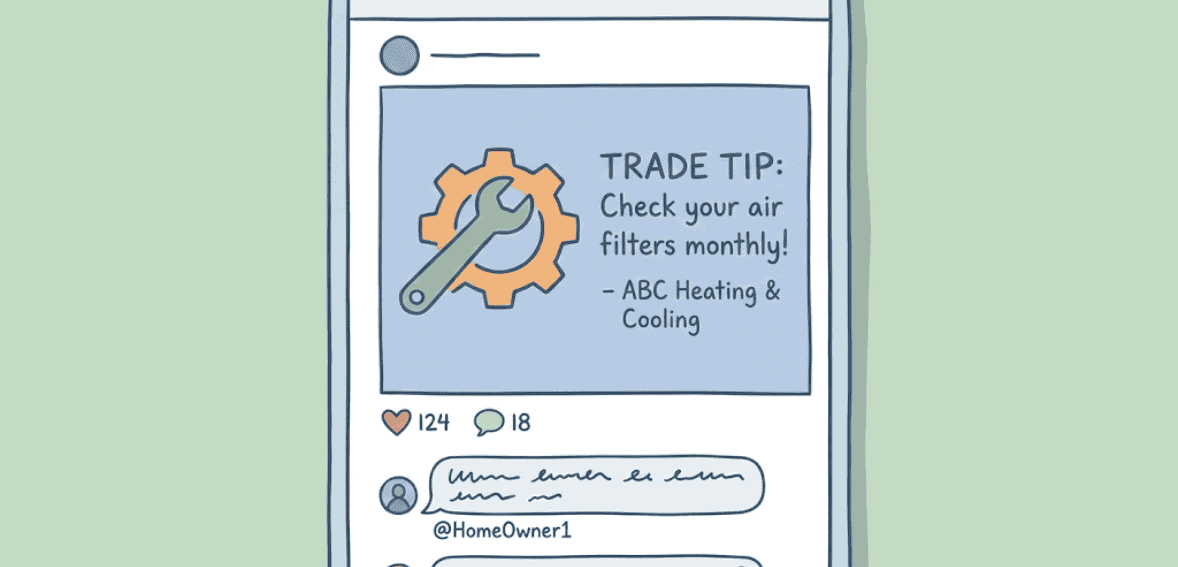
One of the biggest mistakes trade businesses make on social media is treating every post like a sales pitch. Call now. Book today. Limited slots. While those messages have their place, using them all the time pushes people away. Modern customers do not want to be sold constantly. They want to feel comfortable first.
Social media marketing for trades works better when the goal is familiarity, not immediate conversion. When people see your posts regularly, they start recognizing your name. They remember your logo. They remember how you talk about your work. That familiarity lowers resistance when they finally need your service.
Most customers do not follow trade businesses because they want ads in their feed. They follow because they want reassurance. They want to know who to call when something goes wrong. Content marketing that educates, shows process, or shares real situations keeps people engaged without pressure.
Selling becomes easier when trust is already built. When you finally do post an offer or reminder, it does not feel intrusive. It feels timely. Social media marketing for trades is about playing the long game, not chasing quick wins.
How Showing the Process Builds Stronger Online Engagement
Customers are curious, even if they do not say it. They wonder what happens behind the scenes. How long does a job take? Why does it cost what it costs? What problems usually show up. Showing the process answers those questions naturally.
Online engagement increases when people feel they are learning something. A brief explanation of what you are fixing. A before-and-after with a simple caption. A quick note about a common mistake you see. These small pieces of content marketing go a long way.
Social media marketing for trades benefits from transparency. Showing work in progress builds credibility. It shows effort, skill, and care. It also sets expectations. Customers understand that jobs are not always clean or instant.
Process-based content also reduces future friction. Customers who have seen your posts already understand what to expect. They ask better questions. They are more patient. That improves the overall customer experience.
In 2026, engagement is not entertainment. It is about usefulness and honesty.
Also read: Local Marketing Mastery: SEO and Online Presence for Contractors
Why Platform Choice Matters Less Than Consistency
Trade businesses often get stuck trying to choose the perfect platform. Instagram, Facebook, TikTok, YouTube. The truth is that no platform works if you are inconsistent. Social media marketing for trades does not require being everywhere. It requires showing up somewhere regularly.
Most customers do not care which platform you use. They care that you exist and look active. An updated profile with recent posts feels reliable. An abandoned profile feels risky.
Content marketing works when it fits naturally into your workflow. If taking photos on-site feels easy, start there. If short videos feel manageable, try that. Forcing yourself onto a platform you hate usually leads to burnout and silence.
Online engagement increases when content feels natural for the person creating it. Customers can sense forced content. Authenticity decreases when you try to mimic trends that do not fit your business.
In social media marketing for trades, simple consistency beats perfect strategy every time.
How Content Marketing Attracts Better Customers, Not Just More Customers
One of the underrated benefits of content marketing is filtering. Proper content does not just attract more people. It attracts better-fit customers. People who understand your process. People who respect your work. People who value professionalism.
When trade businesses explain how they work, what they prioritize, and what they expect from customers, they set boundaries without confrontation. Customers who align with that stay. Others move on. That is a good thing.
Social media marketing for trades helps set tone. Are you detail-focused? Are you safety-conscious? Are you transparent about pricing and timelines? These signals shape who reaches out to you.
Better-fit customers lead to smoother jobs, fewer conflicts, and stronger reviews. Content marketing quietly improves business quality, not just visibility.
In 2026, attracting the right customers matters more than chasing volume.
Why Social Media Marketing for Trades Is a Trust System, not a Trend
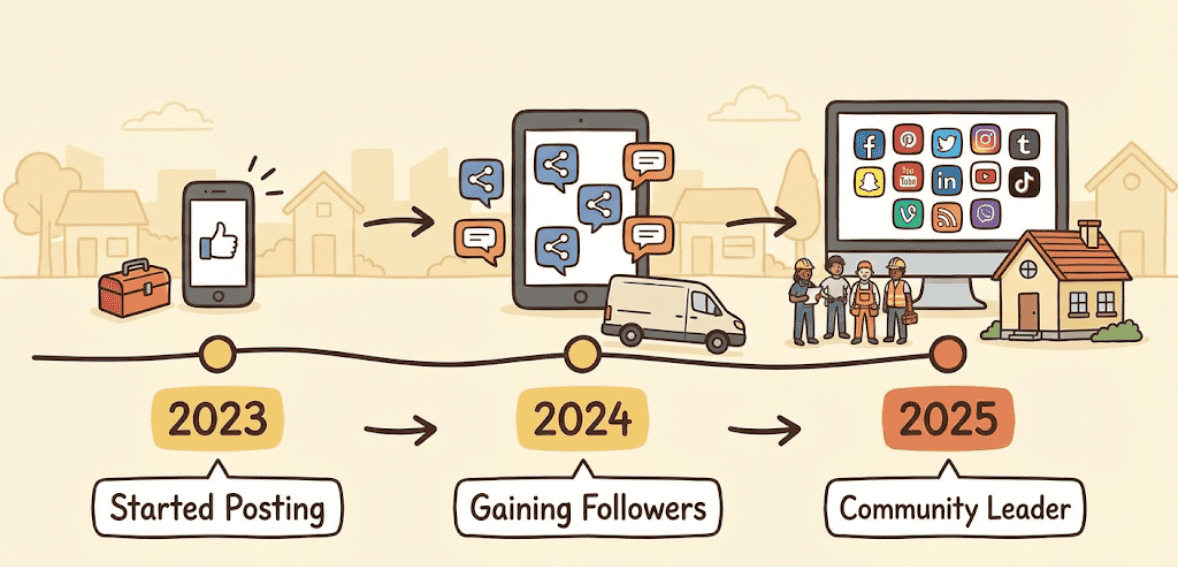
Trends come and go. Platforms change. Algorithms shift. What remains constant is trust. Social media marketing for trades works because it creates a trail of proof. Proof that you exist. Proof that you work consistently. Proof that real people trust you.
Customers may not remember every post, but they remember the feeling. Active. Professional. Reliable. That impression matters when decisions are made under stress.
Online engagement does not need to be massive to be effective. A small, local audience that recognizes and trusts you is far more valuable than thousands of random followers.
Content marketing supports this by showing up quietly over time. It works in the background while you focus on your trade.
For trade businesses, social media is not about being trendy. It is about being visible and dependable.
Conclusion
Social media marketing for trades in 2026 is about connection, not performance. It is about showing up consistently, sharing real work, and building trust before customers ever reach out. Content marketing helps trade businesses explain who they are and how they work without forcing sales conversations. When online presence feels honest and active, modern customers feel more confident choosing you. You do not need to be perfect. You just need to be present.
FAQs
Do trade businesses really need social media in 2026?
Yes, because customers expect to see some online activity before trusting a business.
How often should trades post on social media?
Consistency matters more than frequency. Even a few times a month helps if it is regular.
Is video better than photos for trades?
Both work. Use whatever feels easiest to create consistently.
Can social media replace word of mouth?
No, but it supports referrals by confirming trust and professionalism.
What content works best for trades?
Real job photos, simple explanations, and process-focused content perform best.