
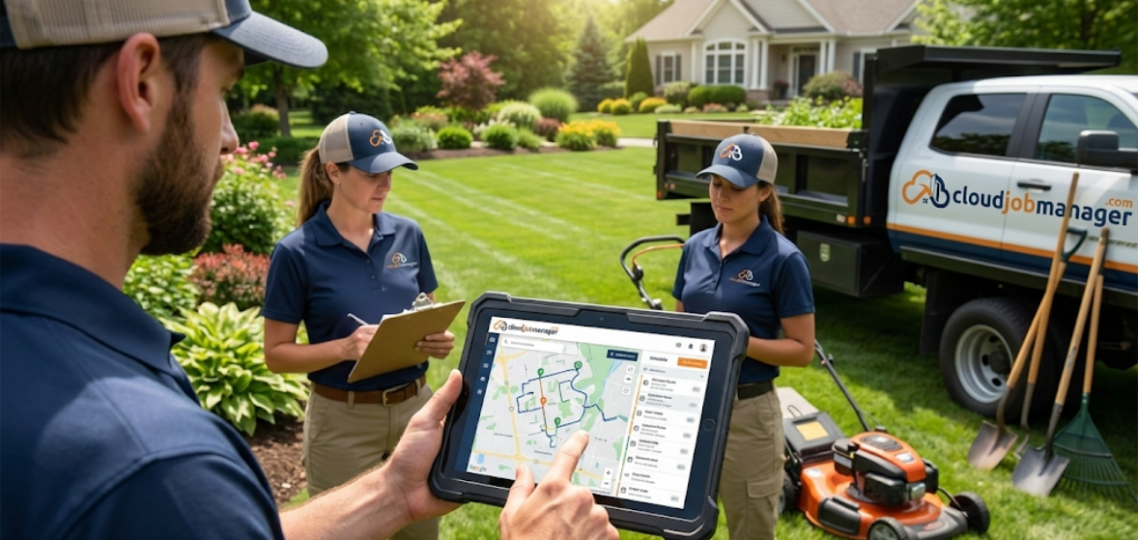
Landscaping Your Schedule: Managing Seasonal Demand with Field Service Software
Seasonality is both the beauty and the battle of the landscaping world. When spring hits, lawns wake up, customers start calling nonstop, and scheduling becomes a juggling act you can barely keep up with. Then winter arrives, and suddenly the problem flips to too many gaps, not enough work, and a constant need to keep revenue steady until the next busy surge. For many landscaping companies, navigating this cycle becomes stressful and unpredictable, especially when relying on phone calls, paper calendars, or spreadsheets. That’s where landscaping operations and field service management strategies become essential. They not only help businesses survive seasonal swings but also enable them to plan smarter, stay profitable year-round, and manage demand without burning out the team.
The true future of successful landscaping operations hinges on precision scheduling and adaptability. Field service software is not just a tool; it is the backbone for maximizing peak productivity, creating off-season opportunities, and achieving consistent growth. This article examines how these platforms transform scheduling, balance seasonal work, optimize routes, and build resilience through targeted planning and automation.
Understanding Seasonal Pressure in Landscaping: Why It Creates Operational Strain

Seasonal demand changes not just customer call volume but the business’s rhythm. Spring and summer bring rapid growth. Weekly or bi-weekly service becomes necessary for hundreds of clients. Without landscaping business software, dispatch teams get overbooked, stressed, and lose their strategic edge. This strain impacts customer satisfaction, employee burnout, and even finances.
In peak season, the challenge is not just job volume but frequency. Many clients need recurring visits with unique preferences, access notes, and yard requirements. Keeping track in a spreadsheet or notebook is almost impossible. Mistakes become common missed visits, duplicate bookings, forgotten renewals, or inefficient routing that wastes fuel and time.
On the opposite end of the spectrum, fall and winter bring a new set of challenges. The phones quiet down, lawns stop growing, and landscaping companies must find ways to fill the calendar. Seasonal scheduling becomes an art of shifting service types, such as tree trimming, leaf cleanup, holiday lighting, irrigation winterization, or snow removal. Businesses using field service software to diversify services during winter maintain stronger financial performance than those who pause entirely.
Understanding this dual challenge is the first step. The next step is adopting tools that help landscaping companies build predictable workflows instead of constantly reacting to seasonal chaos. Transitioning to technology-driven solutions becomes essential as businesses strive for stability.
How Landscaping Business Software Streamlines Seasonal Scheduling
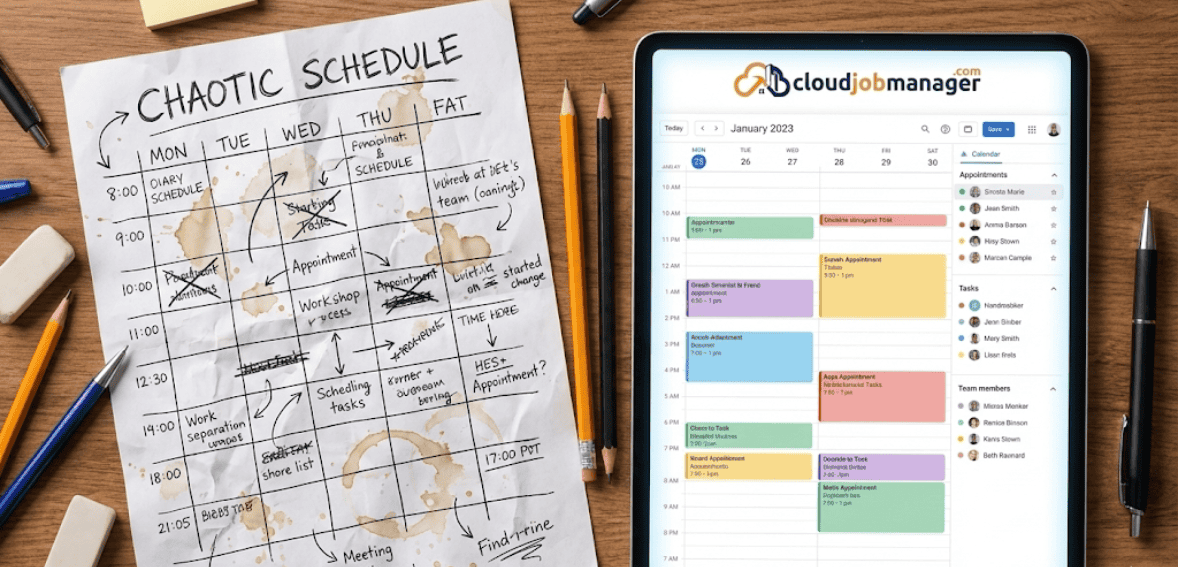
The biggest change comes from moving away from manual scheduling to a cloud-based field service system. Landscaping business software simplifies seasonal scheduling, turning it into manageable workflows. Rather than chasing appointment confirmations or writing names on a whiteboard, businesses use a centralized, up-to-date calendar that crews and dispatchers can access in real time.
A centralized approach is invaluable during demand spikes. Dispatchers can view technician availability at a glance and assign jobs based on geography or type. Overlaps are avoided. Changes happen instantly, and crew members receive updates on their mobile devices as soon as anything shifts. With dozens of recurring jobs, automated scheduling removes guesswork and ensures timely visits.
What’s especially powerful is how the system adapts to seasonal rhythms. During slow months, the same software helps managers offer promotions, shift crews to off-season work, or create winterization plans. When spring returns, the software expands the schedule automatically and restores high-frequency jobs. This flexibility ensures momentum year-round.
Route Optimization: The Secret Weapon for Maximizing Busy Season Productivity
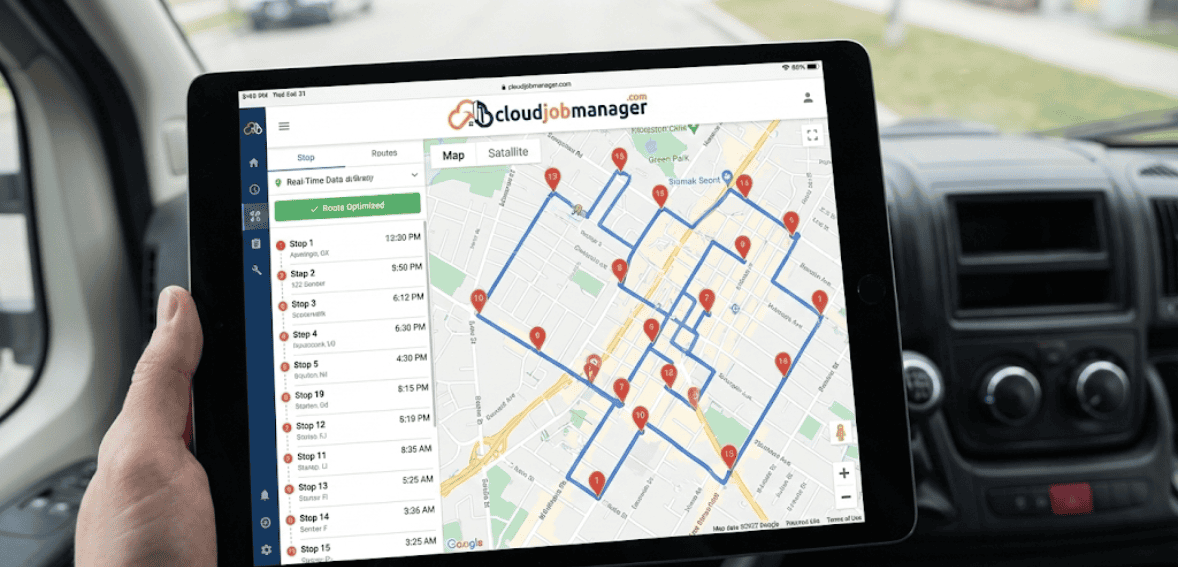
When the busy season hits, time becomes the most valuable resource. Crews often spend more time driving across town than actually working. When multiplied across dozens of daily jobs, inefficiencies become extremely expensive. Route optimization within field service software changes everything.
Instead of manually mapping visits or using generic navigation, companies use intelligent routing algorithms. These include job location, traffic, technician availability, and duration. This creates efficient daily routes, cuts fuel costs, increases job capacity, and limits unnecessary drive time.
For landscaping businesses with hundreds of weekly visits, every minute saved is extra revenue. This could mean fitting in an extra stop or freeing up time for urgent requests. Route planning also improves customer satisfaction. Clients prefer technicians who arrive within predictable windows, rather than hours late due to poor routing.
As seasonal demand rises, efficient routing becomes a competitive advantage. Companies that use route optimization consistently outperform those relying on gut instinct or manual planning. The ability to adapt routes in real time, such as when a customer cancels or weather causes delays, ensures that even on chaotic days, the schedule stays balanced.
Managing Recurring Landscaping Contracts Through Peak and Off Season Cycles
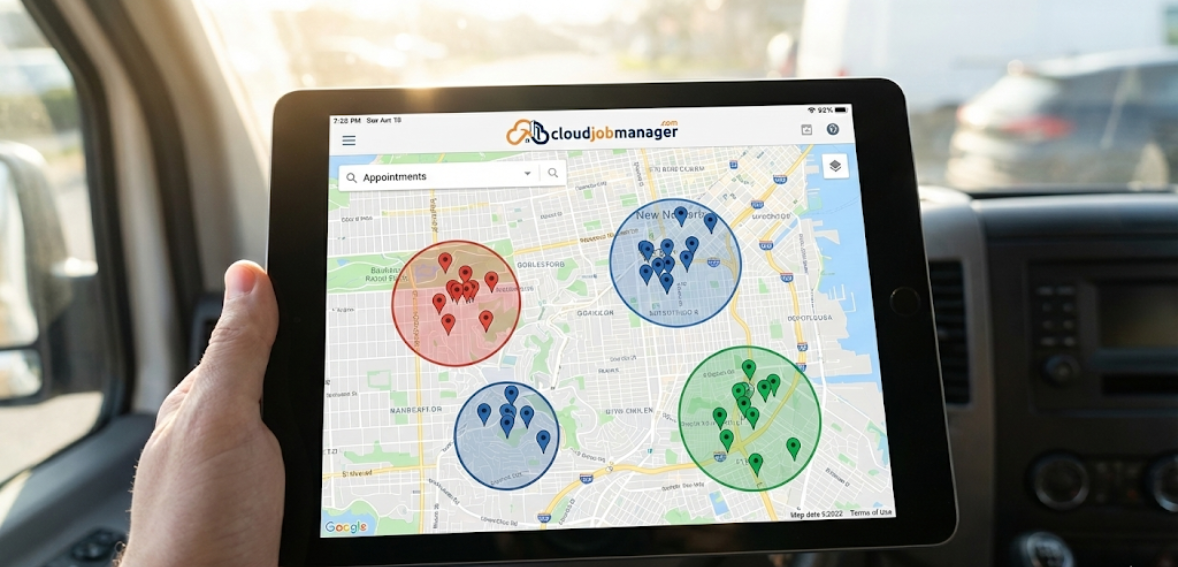
Recurring maintenance contracts form the foundation of predictable, year-round revenue for landscaping companies. They provide a stable income despite seasonal swings and ensure customers that their property will always look its best without having to schedule service manually. Field service software powers these agreements.
Instead of manually tracking hundreds of renewals, software automates the process. Once a recurring plan is set, such as weekly care or quarterly checks, the system schedules visits, assigns crews, and adjusts them as needed during busy or slow months.
Recurring contracts help landscaping businesses survive the off-season. Software schedules seasonal tasks like aeration, fall cleanup, mulching, fertilizing, or snow removal. This keeps cash flow steady and strengthens customer loyalty.
For commercial clients with many sites, automated contract management ensures no property is missed. Billing remains accurate, and service records are audit-ready. If weather shifts demand such as droughts or frost, the software makes rescheduling and reallocating crews easier.
Using Field Service Software to Adapt to Weather and Seasonal Disruptions

No industry feels the effects of weather like landscaping. A week of heavy rain can delay an entire route. A sudden heatwave may require shifting irrigation priorities. Early frosts can stop mowing schedules overnight. Without a flexible system, these disruptions turn into chaos. Crews arrive at inaccessible properties, customers complain about missed visits, and dispatchers scramble to rebuild the day’s plan from scratch.
Seasonal demand is harder to manage when the weather is unpredictable. Landscaping business software becomes the stabilizing force. Dispatchers no longer manually contact clients; instead, they adjust schedules instantly and push automatic notifications about revised visit times. Technicians view updates on mobile apps, reducing confusion and preventing wasted trips.
The weather also influences job types. When excessive rain accelerates growth cycles, recurring mowing schedules can be increased with a few clicks. In drought conditions, managers may pivot teams toward irrigation repairs or xeriscaping services. With software centralizing job history and upcoming tasks, seasonal shifts stop being disruptions and become opportunities to optimize services. This adaptability allows landscaping companies to maintain high productivity even when conditions fluctuate wildly from week to week.
Building a More Predictable Off Season With Smart Planning Tools
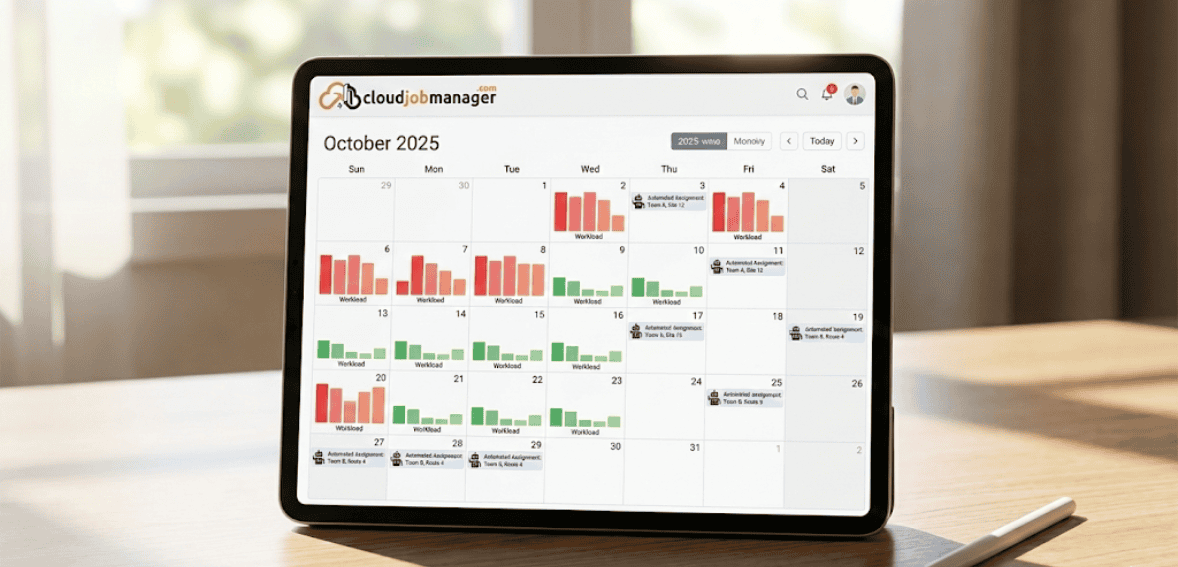
The off-season isn’t a lull. With field service software, winter months can become strategic. Instead of letting demand drop, managers create work to fit the season: tree trimming, leaf cleanup, planning, maintenance, hardscaping, and winterization.
Software platforms help forecast slow periods by analyzing historical workload patterns. These insights allow managers to create targeted marketing campaigns for winter services, schedule multi-step projects with long timelines, or roll out maintenance packages to keep crews working consistently. The ability to draw on past years’ insights gives landscaping companies a clearer roadmap for smoothing out highs and lows.
Scheduling also transforms during winter. Instead of the tight weekly rhythms of summer, crews may focus on larger, more technical jobs. This requires careful assignment, documentation, and time tracking, all streamlined through a landscaping CRM and field service scheduling system.
For companies that offer snow removal, software becomes even more important. Weather-triggered dispatch, real-time updates, and instant communication ensure that crews mobilize quickly. And when winter ends, businesses can smoothly transition back to spring workflows because every customer, contract, and preference is stored and ready to reactivate.
Strengthening Customer Experience Through Transparency and Predictable Scheduling

Seasonal demand often causes communication breakdowns in landscaping. Customers want to know when crews are arriving, whether weather delays their appointment, and how seasonal service adjustments affect pricing or visit frequency. Without a structured communication system, customer frustration builds quickly, especially during peak season when calls and texts flood the office.
Landscaping business software solves this by automating and providing transparency. Customers receive appointment confirmations, reminders, and real-time updates when crews are on the way. If a schedule needs adjusting, the customer is notified before they even think to ask. This proactive communication builds trust, especially during unpredictable seasonal shifts.
Customer portals elevate the experience even further. Clients can view upcoming visits, check service history, submit requests, or pay invoices, all without calling the office. This self-service capability reduces administrative stress and enhances customer satisfaction. Seasonal updates, such as “Mulch season begins April 1” or “Book fall cleanup now,” can be shared through automated messages.
During high-demand months, this communication becomes the difference between a smooth season and a chaotic one. Customers appreciate being kept informed, and businesses benefit from fewer missed visits, fewer misunderstandings, and fewer administrative interruptions. Technology transforms the property maintenance relationship from reactive to reliable, strengthening long-term customer retention.
Using Data to Guide Seasonal Strategy and Long Term Growth
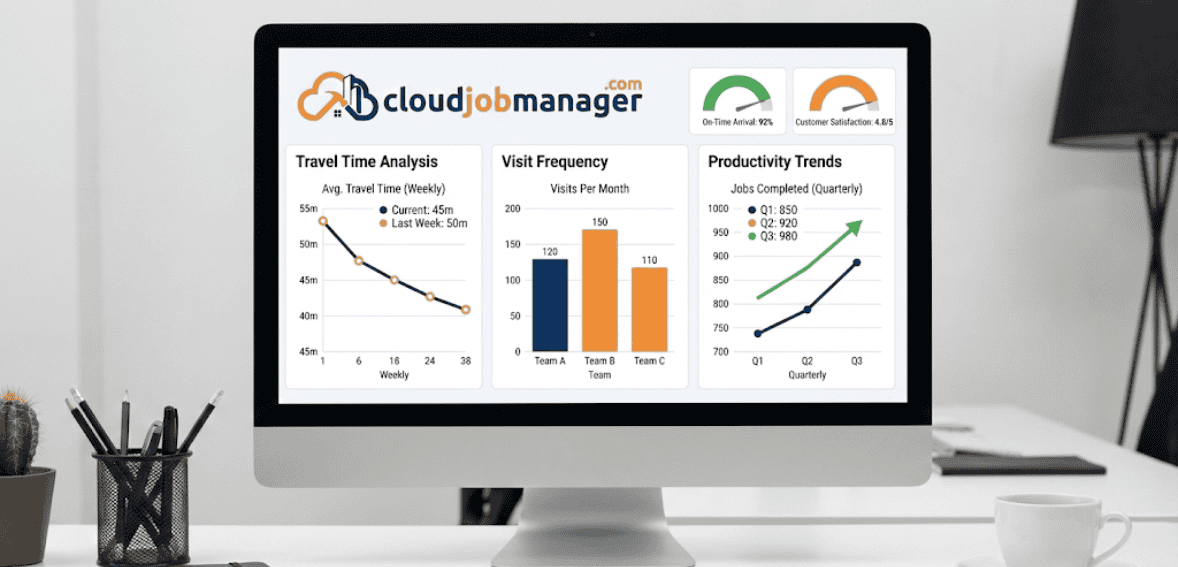
Landscaping companies produce more data than they realize, including job durations, recurring schedules, customer preferences, fuel usage, seasonal trends, and technician productivity patterns. When this information is scattered across spreadsheets or handwritten notes, its value is lost. But in cloud-based landscaping software, this data becomes the foundation for strategic decision-making.
During peak months, managers can analyze which routes take too long, which crews are overloaded, and which job types generate the highest margins. This helps refine scheduling for the next season. During off-season analysis, businesses can evaluate which services kept revenue stable, which contracts renewed successfully, and which customers consistently required urgent work.
Over time, these insights reveal clear patterns. Businesses can predict when the first surge of spring requests typically occurs, when summer demand peaks, and when off-season downturns begin. This foresight enables smarter staffing decisions, hiring seasonal workers, cross-training employees, and adjusting marketing campaigns in advance.
Data also improves pricing accuracy. Companies can see which jobs routinely exceed estimated time or which routes consume excessive fuel, adjusting their pricing models accordingly. Seasonal demand becomes less of a guessing game and more of a calculated, data-backed strategy.
Conclusion: Seasonal Success Comes From Smarter Scheduling, Not Harder Work
Seasonal changes will always shape the landscaping industry, but they don’t have to control it. The combination of landscaping business software, strategic scheduling, route optimization, and data-driven decision-making gives companies the tools they need to stay stable through every seasonal shift.
With the right technology in place, peak season becomes manageable rather than overwhelming, and the off-season becomes productive rather than stagnant. Customers enjoy transparent communication, crews operate with clarity, and managers spend less time reacting and more time planning. The result is a landscaping business that grows sustainably, retains loyal customers, and thrives year-round, no matter the weather or season.
FAQs
How does landscaping business software help manage seasonal spikes in demand?
It centralizes scheduling, automates recurring visits, and instantly updates routes when weather or workload changes. This keeps peak season organized and prevents overbooking or missed appointments.
Does route optimization really make a noticeable difference during busy months?
Yes. Efficient routing reduces drive time, fuel usage, and technician fatigue. With less time wasted on the road, crews can complete more jobs per day and maintain better schedule reliability.
Can the software help keep my business stable during the off-season?
Absolutely. It helps create winter service plans, schedule multi-step projects, and market seasonal offerings. Many companies rebuild off-season revenue simply by using software insights to plan ahead.
How does automation improve customer experience in landscaping services?
Automated alerts, reminders, and on-the-way notifications keep customers informed without the office needing to make dozens of manual calls. This reduces confusion and increases customer satisfaction.
Is landscaping software useful for small or solo operators?
Yes. Even a one-truck business benefits from route planning, recurring scheduling, and faster customer communication. It reduces administrative work and makes operations feel more professional and predictable.