

Chargebacks & Disputes in Home Services: A Field-Proof Documentation System
Contractor chargeback prevention starts long before a payment dispute happens. Many contractors think chargebacks only happen because of bad customers. But in most cases, disputes happen because there is missing paperwork, unclear job details, or no solid proof of work.
Imagine finishing a job, sending an invoice, getting paid, and then weeks later, the payment disappears. The customer calls their bank and says they never approved the work or that the job was incomplete. Without proper records, it becomes your word against theirs. This is where most contractors lose money.
Payment disputes are stressful. They waste time. They delay cash flow. They also hurt trust. But the good news is that most disputes can be avoided with simple systems. You do not need complicated software or legal knowledge. You just need a clear documentation process that protects every job from start to finish.
Good documentation is not about distrust. It is about clarity. When expectations are clear, customers feel confident. When work is documented, contractors feel protected. When invoices are detailed, confusion goes away. This is how smart contractors reduce risk and build stronger businesses.
This guide explains why disputes happen, what documents protect you, and how to build a simple system that works in the real world.
Why Contractors Face Payment Disputes

Payment disputes are more common than many contractors expect. Even good customers may question charges if something is unclear. Most disputes are not fraud. They are confusion problems.
Many contractors rely on verbal agreements. They discuss the scope on the phone or in person. Later, both sides remember things differently. Without written confirmation, problems start.
Some common reasons contractors face disputes include:
- No written scope of work
- Changes not documented
- Pricing was not explained clearly
- No customer signature confirming approval
- No job completion confirmation
- Missing photos showing finished work
Another major issue is memory. A customer may forget to approve extra work. They may not remember agreeing to the added costs. Without written approval, contractors cannot prove agreement.
Timing also causes problems. If a customer receives an invoice weeks after a job, they may question it. Fast billing reduces confusion.
Communication gaps are another cause. If customers do not receive updates, they may assume work was not completed properly. Small misunderstandings grow into payment disputes.
Good contractors do good work. But good work alone does not prevent disputes. Documentation prevents disputes.
Common Causes of Chargebacks
Understanding why chargebacks happen is a major part of contractor chargeback prevention. When you know the causes, you can prevent most of them.
One of the biggest causes is an unclear job scope. If a customer thinks a repair includes something, but the contractor thinks it does not, a conflict happens.
Another common cause is surprise pricing. Customers do not like unexpected charges. Even if the work was needed, the lack of approval causes disputes.
Here are the most common chargeback triggers contractors face:
Unapproved Extra Work
Scope changes happen often in home services. A simple repair can reveal hidden problems. But doing extra work without approval creates risk.
Always document:
- What was found
- What needs fixing
- Cost of the change
- Approval before continuing
Poor Documentation
If you cannot show what was done, you may lose a dispute even if you did everything right. Good proof of work protects your payment.
Documentation should show:
- Job condition before work
- Work in progress
- Final results
- Customer approval
Confusing Invoices
Invoices that just show a total number cause questions. Customers want to understand what they paid for. Clear billing supports invoice dispute prevention.
Unauthorized Payment Claims
Sometimes customers forget a charge and report it as unauthorized. A signed agreement and customer signature confirming work approval helps resolve this quickly.
Service Quality Disagreements
If expectations are not clear, customers may say the work was incomplete. Written scope descriptions reduce this risk.
Most chargebacks come from a missing process, not bad customers. Strong systems reduce problems before they start.
What Proof-of-Work Documentation Includes
A strong proof of work system shows the full story of the job. It proves what was agreed, what was done, and what was delivered.
Think of documentation as your protection file. If a dispute happens, everything you need should be easy to find.
A strong documentation system usually includes:
Work Authorization
This confirms:
- The customer approved the job
- The scope was explained
- Pricing was understood
- Work start was authorized
A simple approval form works well. Digital approvals are even better because they are easy to store.
Job Notes
Technicians should record:
- Work performed
- Parts used
- Problems found
- Changes made
Short notes are enough. But they must be consistent.
Time Records
Job timing shows effort and supports billing. This helps show that work was actually performed.
Record:
- Arrival time
- Work start
- Work completion
- Departure
Completion Confirmation
Always confirm job completion with the customer. This step is often skipped, but is critical for contractor chargeback prevention.
Completion confirmation can include:
- Job summary
- Work verification
- Customer satisfaction check
- Final customer signature
Communication Records
Keep messages related to:
- Schedule changes
- Work approvals
- Scope updates
- Customer questions
These records support invoice dispute prevention by showing transparency.
Documentation does not need to be complicated. It just needs to be consistent.
Using Photos and Signatures

Photos are one of the strongest forms of proof of work. They remove doubt. They show facts. They tell the story better than words.
Before and after photos can quickly end disputes.
Take photos of:
- Job site before work
- Problem areas
- Work in progress
- Finished results
- Installed equipment
- Clean the work area after completion
Photos should be clear and time stamped if possible.
Photos help prove:
- Work was necessary
- Work was completed
- Quality was delivered
- No damage was caused
Signatures are just as important. A customer signature confirms agreement. It shows the customer accepted the work.
Important times to collect signatures include:
Work Approval Signature
Collected before starting work. Confirms:
- Scope accepted
- Pricing understood
- Work approved
Change Order Signature
Collected when adding work. Confirms:
- Customer approved extra work
- Cost was accepted
Completion Signature
Collected after finishing work. Confirms:
- Job completed
- Customer satisfied
- No open issues
Signatures should always include:
- Customer name
- Date
- Job reference
- Approval statement
Digital signatures are often easier to manage than paper forms. They reduce lost paperwork and improve contractor chargeback prevention.
Invoice Clarity Best Practices
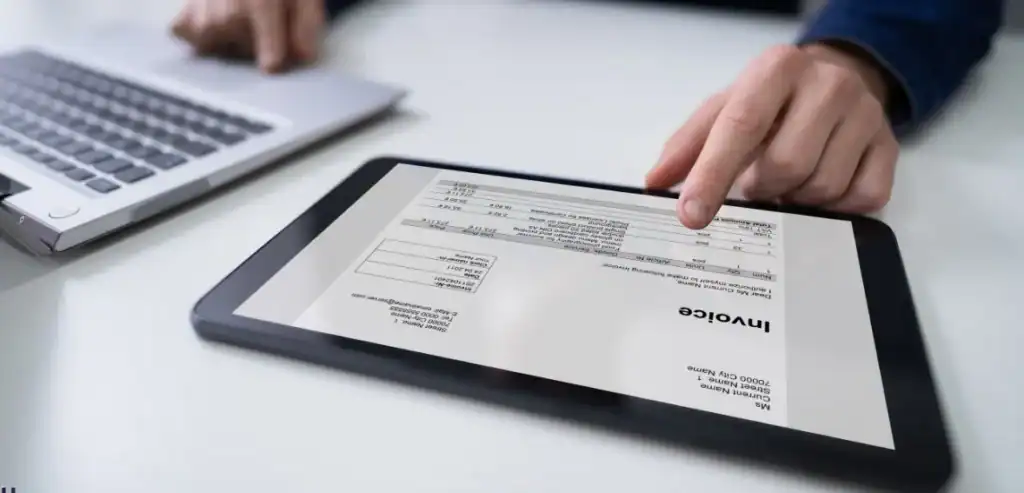
Invoices should answer every question before a customer asks it. Clear billing is a powerful tool for invoice dispute prevention.
Bad invoices create confusion. Good invoices build trust.
A strong invoice should include:
- Company contact details
- Customer details
- Job location
- Service date
- Work description
- Parts used
- Labor charges
- Taxes
- Total amount
- Payment terms
Descriptions should be simple and clear. Avoid technical wording that customers may not understand.
Instead of writing:
“Mechanical system recalibration performed.”
Write:
“Adjusted system settings to restore normal operation.”
Clarity reduces questions.
Itemization Matters
Itemized invoices help customers understand costs. This reduces billing disputes.
Example of clear itemization:
- Service visit fee
- Labor hours
- Materials used
- Additional repairs approved
- Taxes
This supports both proof of work and invoice dispute prevention.
Match Invoice to Approved Scope
Invoices should match what customers approved. Differences create disputes.
Always confirm:
- No surprise charges
- Changes were approved
- Pricing matches agreements
Send Invoices Quickly
Delayed invoices increase disputes. Customers forget details. Quick billing improves payment success.
Send invoices:
- Same day if possible
- Within 24 hours, ideally
- With the job summary included
Fast invoicing supports strong contractor chargeback prevention practices.
Building a Dispute Prevention Workflow

A dispute prevention workflow is simply a repeatable process. Every job should follow the same documentation steps.
Consistency is what makes systems work.
A simple workflow could look like this:
Step 1 Job Approval
Before work begins:
- Confirm scope
- Confirm pricing
- Collect approval
- Get the customer’s signature
Step 2: Pre-Work Photos
Document starting condition. This protects against false damage claims.
Step 3 Work Documentation
During the job:
- Record notes
- Take progress photos
- Document changes
Step 4: Change Approval
If work changes:
- Explain issue
- Show photos
- Provide price
- Get approval
Step 5 Completion Confirmation
At the job end:
- Show finished work
- Review job summary
- Collect the customer’s signature
Step 6: Clear Invoice Delivery
Send a detailed invoice quickly. This supports invoice dispute prevention.
Step 7 Record Storage
Store:
- Photos
- Notes
- Signed approvals
- Invoices
Having everything together supports strong contractor chargeback prevention results.
Training Your Team Matters
Even the best system fails if technicians do not follow it. Training should focus on:
- Why documentation matters
- How disputes affect business
- How to collect approvals
- How to record work
When teams understand the reason, they follow the process better.
Standardizing Your Process
Create simple checklists so nothing is missed.
A basic technician checklist could include:
Before work:
- Approval confirmed
- Photos taken
During work:
- Notes recorded
- Changes approved
After work:
- Completion confirmed
- Signature collected
- Invoice sent
Simple checklists improve consistency and reduce mistakes.
Making Documentation Easy for Field Teams
Documentation fails when it feels like extra work. The best systems are simple and fast.
Field teams are busy. Systems must fit their workflow.
Ways to simplify documentation:
- Use mobile forms
- Use photo capture tools
- Use digital approvals
- Use job checklists
- Use templates
Reducing effort increases adoption.
Keep Documentation Simple
Documentation should not slow work. Short notes are enough.
Example:
“Replaced broken valve. Tested system. Working normally.”
That is enough detail.
Make Documentation Routine
When documentation becomes a habit, it becomes automatic. This is how strong contractor chargeback prevention systems succeed.
Focus on Consistency, Not Perfection
Every job does not need perfect notes. But every job needs basic records.
Consistency beats detail.
How Good Documentation Builds Customer Trust
Documentation is not just protection. It improves customer relationships.
Customers trust contractors who show transparency.
When customers see:
- Photos
- Clear pricing
- Written approvals
- Detailed invoices
They feel confident.
Confidence reduces disputes.
Clear communication also improves referrals. Customers recommend contractors who explain work clearly.
Trust also increases repeat business. Customers return to contractors who operate professionally.
Good documentation helps both sides.
It protects contractors and reassures customers.
Conclusion
Disputes are part of the home service industry. But most disputes are preventable. Strong documentation is the foundation of contractor chargeback prevention.
Contractors who document approvals, collect customer signature confirmations, maintain clear proof of work, and follow invoice dispute prevention practices rarely lose disputes. They also spend less time arguing about payments.
The goal is not to create paperwork. The goal is to create clarity. Clear expectations prevent misunderstandings. Clear records protect your revenue. Clear invoices reduce questions.
The most successful contractors treat documentation as part of the job, not extra work. They build simple systems. They train their teams. They follow the same steps every time.
When documentation becomes routine, disputes become rare. When disputes become rare, cash flow becomes predictable. When payments become predictable, business becomes stable.
A strong documentation system does not just prevent chargebacks. It builds a stronger, more professional operation that customers trust.
FAQs
How Does Contractor Chargeback Prevention Reduce Business Risk?
It protects your payments by proving work was approved and completed. Good documentation makes disputes easier to win.
Why Is Proof of Work Important in Payment Disputes?
Proof of work shows what was done and when. Photos, notes, and approvals help prove service delivery.
Why Is a Customer Signature Necessary?
A customer signature confirms approval and satisfaction. It shows the customer accepted the work and charges.
How Does Invoice Clarity Help Invoice Dispute Prevention?
Clear invoices explain charges and reduce confusion. Customers rarely dispute bills they understand.
What Is the Easiest Way to Prevent Disputes?
Follow a simple process: approval, documentation, photos, signatures, and clear invoices. Consistency prevents most disputes.