

EV Service Fleets for Trades: Routes, Charging, and Total Cost in 2026
The transition to EV Service fleets is quickly becoming a viable solution for trade organizations seeking to reduce operating expenses and achieve sustainable objectives. By the end of 2026, advances in battery technology, improved charging infrastructure, and the growing number of vehicles on the road will enable the deployment of electric service vans like never before.
Businesses in HVAC, plumbing, electrical, and general contracting are examining how they can implement electric fleets into their daily operations. Converting service fleets to electric vehicles will be more than just swapping out traditional vehicles that rely on gasoline or diesel. They need to consider how their routes will be developed, how to create a reliable charging plan, and how to assess their total cost of ownership to ensure the long-term success of their fleets.
Poor planning, however, can lead to operational interruptions and financial consequences that could negate potential savings. Additionally, regulatory pressure and volatile fuel prices are pushing organizations to electrify. Government incentives and corporate emissions goals are further accelerating the industry-wide adoption of electric vehicles.
This document explains how to determine which electric service van is best for an organization, optimize routing, create a charging strategy, and calculate the total cost of ownership from an electric fleet. By understanding these four components of an electric service fleet, businesses can move forward with a solidified plan and begin implementing efficient fleets ready to meet future needs.
What Defines EV Service Fleets in 2026

The EV Service fleet operates electric vehicles specifically designed for field service work. The fleet supports technicians by transporting necessary equipment between job locations.
The electric service van models, to be released in 2026, will feature enhancements to driving range, load capacity, and overall durability. The majority of modern vehicles now offer driving ranges of 200 to 300 miles per battery charge, enabling drivers to complete most of their daily service routes.
All current EV Service fleets use telematics and fleet management software to track vehicle movements. The system allows users to track vehicle operations, including battery status and route performance, throughout the entire monitoring period.
Energy management systems are another essential component. Unlike traditional fleets, EV fleets require integrated charging systems to maintain continuous operation and battery health.
The transition to EV Service fleets shows how the entire industry is increasingly adopting both electrification and digital technological progress. The operational and environmental benefits of the fleet system enable businesses to achieve both when they decide to implement it.
Benefits of Electric Service Vans for Trade Businesses
The trade sector benefits in multiple ways from adopting electric service vans. The operational efficiency of the business operations receives advantages that extend beyond environmental benefits.
The primary benefit of electric vehicles is their lower fuel costs. Electric power costs tend to fluctuate less than those of petroleum products, such as gasoline and diesel fuel.
Electric vehicles require less upkeep. Because EVs have fewer moving mechanical parts than internal combustion engines, they typically experience higher uptime and lower long-term maintenance costs.
Electric vans offer the additional advantage of near-silent operation. This creates better working conditions for technicians and enables service delivery in noise-sensitive areas or during off-peak hours.
The electric vehicle service fleets help organizations achieve their environmental goals. Environmental sustainability has become a primary requirement for many clients, who now select vendors based on their ecological practices.
The operational advantages of electric vehicle service fleets make them an appealing solution for businesses seeking to enhance operational performance and market position.
Limitations and Challenges to Consider
While EV service fleets offer many advantages, they also pose several challenges that need to be addressed.
As for EV range, there are significant limitations, especially for businesses with long or unpredictable routes. Despite improvements in EV range, route planning remains important when using an EV.
EVs also face challenges with charging infrastructure. Businesses can have access to charging stations through public networks. However, this may not always be the most convenient option for businesses wanting to charge their EVs.
Compared to traditional gasoline-powered vehicles, EVs typically have a higher purchase price. Although incentives are available to offset the higher purchase price of EVs, the actual cost of an EV purchase remains substantial.
Another issue with some electric service van models is payload capacity. This may affect businesses that rely on heavy-duty equipment in their operations.
It is important for businesses seeking to implement an EV Service strategy to understand these challenges to develop it realistically.
Choosing the Right Electric Service Van

The process of establishing an electric vehicle service fleet begins with choosing the correct electric service van. The business’s operational requirements must align with the capabilities of the various models. The essential aspects that need assessment include the vehicle’s operating range and maximum load capacity, storage area, and charging speed.
Businesses should study these factors to determine their effects on everyday work activities. The two main factors that organizations need to evaluate are vehicle dependability and the level of assistance that manufacturers provide. Service delivery suffers from operational interruptions, creating major problems for organizations. The assessment process needs to review all available customization options, which include shelving and tool storage, to confirm their suitability for trade-specific requirements.
Organizations can use test programs or pilot deployments to assess performance before they decide to implement full-scale adoption. Selecting an appropriate vehicle enables EV Service fleets to operate at optimal efficiency while meeting business requirements.
EV Route Planning for Service Efficiency

The foundation of effective service operations relies on strategic EV route planning. Unlike traditional routing, this process must account for battery range and charging infrastructure availability to minimize energy consumption and avoid delays.
Advanced routing software enables users to evaluate factors such as elevation changes, load weight, and weather conditions. The energy consumption of these factors needs to be evaluated because they influence electricity usage. The system requires both scheduling flexibility and scheduling structure.
The system needs buffer time between scheduled activities to accommodate charging needs and unexpected delays, thereby boosting operational reliability. Proper EV route planning ensures drivers complete their designated routes without interruptions, improving work efficiency.
Designing a Reliable Charging Plan
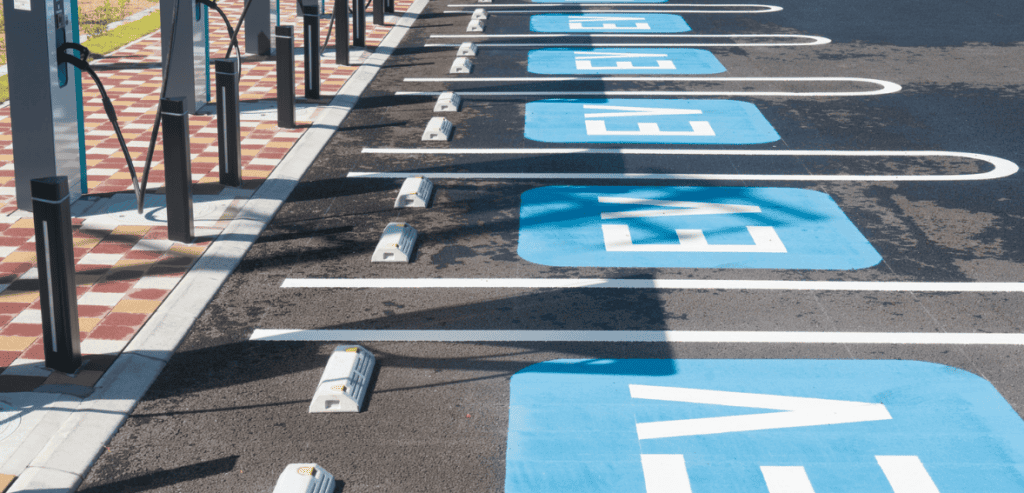
To achieve maximum uptime for an EV Service fleet, EV charging must be properly managed through a well-thought-out charging plan that aligns charging strategies with operational schedules and energy needs.
Fleets tend to use a combination of depot charging and public charging infrastructure to charge their fleets. The most cost-effective way to charge EVs in a fleet is usually to have a Depot charging location overnight.
Sometimes it may be necessary to charge EVs during the day after use, but frequent use of Fast Chargers will increase costs and shorten battery lifespan.
A load management system will balance the amount of energy being supplied by preventing the electric infrastructure from being overloaded and by providing charging stations with the energy they need.
The following are key components that should be considered when creating a charging plan:
- Capacity of the charging stations
- Scheduling of the vehicles
- Costs of energy and tariffs
Utilizing a well-designed, dependable charging plan is critical to ensuring that vehicles can be charged and ready to start on the following day’s service schedule.
Understanding Fleet TCO for EV Service Fleets
The evaluation of EV service adoption requires assessment of the total cost of ownership for fleet TCO vehicles. The total cost of ownership for a fleet includes all expenses drivers incur from vehicle ownership and operational activities throughout the entire period of vehicle ownership.
The total cost of ownership for fleet operations consists of these elements:
- Vehicle acquisition costs
- Electricity expenses
- Service costs
- Insurance expenses
- Asset depreciation
The higher initial costs of electric service vans will be offset over their service life by their lower operational costs. The main source of savings comes from reduced fuel and vehicle maintenance expenses. The total cost of ownership calculation is enhanced by applying tax credits and financial incentives.
The financial planning process needs to include an evaluation of regional program differences and their effects on economic outcomes. Accurate TCO calculations enable organizations to assess the economic feasibility of their electric vehicle service fleets and support their decision-making.
Comparing EVs and ICE Vehicles for Trade Fleets
Examining performance metrics and financial expenses by directly comparing EV Service fleets and internal combustion engine (ICE) fleets yields important insights into their performance and financial metrics.
The operating expenses of EVs, combined with their lower emissions, create an advantage over ICE vehicles, which offer lower initial costs and longer driving ranges.
The maintenance needs of the two systems differ significantly: EVs require less maintenance than ICE vehicles, which require service for their intricate mechanical parts.
The methods for refueling vehicles differ from those for charging electric vehicles because charging requires advance scheduling, whereas refueling can be done quickly at numerous locations.
The decision to use EV or ICE technology requires an assessment of operational requirements, financial resources, and organizational growth plans.
Understanding these differences enables businesses to select the best fleet solution.
Maintenance and Downtime Considerations
The way maintenance is carried out on service fleets of electric vehicles (EVs) differs from that of traditional vehicles. Although EVs do not require as much routine maintenance as traditional vehicles, they do still require regular inspection.
Battery condition is one important component of EV maintenance. Monitoring systems can help evaluate battery performance and identify potential problems as they occur.
Because of regenerative braking, EV braking systems generally require less wear than those of other vehicles, thereby reducing maintenance frequency. Some repairs may require an experienced technician with specialized knowledge and tools.
Reducing vehicle downtime is important to service operations. Preventive maintenance, as well as the preventive-maintenance training provided by monitoring systems, helps to improve the reliability of service fleets.
Appropriate maintenance programs improve the long-term viability of service fleets and result in savings over time.
Implementing an EV Service Fleet Transition Plan
All operations of the EV Service fleet need thorough planning and precise execution for their successful transition. A phased approach is more effective than other methods according to research evidence. The pilot program should begin to evaluate vehicle performance while documenting operational difficulties. This permits changes to be made before the complete system activation.
Organizations need to evaluate their infrastructure needs, which include charging stations and electrical system requirements.
Staff members must receive training about electric vehicle operation and maintenance procedures because proper education leads to higher work efficiency and fewer mistakes.
The organization needs to establish route-planning procedures, charging protocols, and vehicle operational standards. The organization needs to develop clear operational guidelines that will enable staff members to handle vehicle operations throughout the entire organization.
Implementing a systematic transition plan helps organizations minimize potential risks while achieving successful technology implementation.
Leveraging Technology for Fleet Optimization
Advanced technology is a significant factor in maximizing the effectiveness of electric vehicle service fleets. Advanced technology can provide valuable information to support informed decision-making. Additionally, telematics systems can provide access to data on performance, energy usage, and driver behavior to improve operational efficiency.
Next, fleet management platforms have provided an integrated route scheduling solution for all aspects of operations, including routing, charging/making arrangements, and scheduling equipment maintenance. Also, advanced predictive analytics could help anticipate future trends, create a timeline for improvements, and develop strategies to achieve maximum efficiency while minimizing cost.
Finally, faster, more efficient, and less costly automation may allow team members to focus more effectively on the operations of the fleet, thereby maximizing the performance of the electric vehicle service fleet.
Future Trends in EV Service Fleets
The EV Service landscape is in constant flux, driven by continuous change. The upcoming development of fleet operations will be defined by current emerging trends.
The advancements in battery technology have led to longer electric vehicle range and shorter charging times. The advancements make electric service vans more suitable for practical use.
The creation of charging stations expands to provide better support for companies that need to operate multiple vehicles.
The adoption of technologies at present requires both regulatory policies and business market demands to proceed. Combining emissions targets with financial incentives creates a business environment that pushes companies toward electric vehicle adoption.
The trend toward using renewable energy sources alongside existing energy systems represents another emerging pattern. The combination of solar energy and energy storage solutions provides an effective way for businesses to reduce operational expenses.
Understanding these trends helps businesses adapt as they work to succeed in a market that keeps evolving.
Conclusion
By 2026, electric vehicle service fleets will be a highly viable solution for trade businesses, supported by advancements in battery technology, charging infrastructure, and sophisticated management tools.
By optimizing routes, developing robust charging plans, and conducting thorough TCO analyses, companies can build cost-effective units where long-term operational benefits far outweigh the initial investment hurdles.
Electric service vans offer strategic advantages, including lower operating costs, reduced maintenance, and improved environmental sustainability, making them a key component of modernizing trade operations.
In conclusion, successful implementation requires a phased approach—selecting the right vehicles, establishing infrastructure, and training staff—to minimize risk while maximizing efficiency and preparing for the future of trade commerce.
FAQs
What is an EV Service Fleet?
The term Electric Vehicle (EV) Service Fleet refers to a collection or group of electric vehicles used for various types of Field Services, including maintenance, repairs, and installations.
Are Electric Service Vehicles (ESVs) the right fit for all trades?
Yes, but there are some exceptions. ESVs can be utilized for many different types of trades with planned routes and average daily mileage. For high-demand trades, it may be necessary to perform a case study to determine the best use of ESVs.
How critical is it for you to plan an EV route?
You must plan an EV route so that your EV reaches the end of the route without running out of battery before reaching your destination. By planning the EV’s route, you increase your vehicle’s reliability and efficiency.
Which elements contribute to EV Fleet Total Cost Ownership (TCO)?
Fleet Total Cost of Ownership (TCO) is determined by: The electric vehicle purchase price, energy cost, low maintenance cost, incentives, and depreciation. While initial costs may be greater, the long-term savings in operating expenses typically offset the higher TCO.
How do companies start to transition their fleets to Electric Vehicle (EV) Service Fleets?
You need to start with a test program, assess your fleet’s charging/maintenance infrastructure, train employees to use the electric vehicle, and begin growing your electric vehicle fleet in line with your business requirements and performance.