
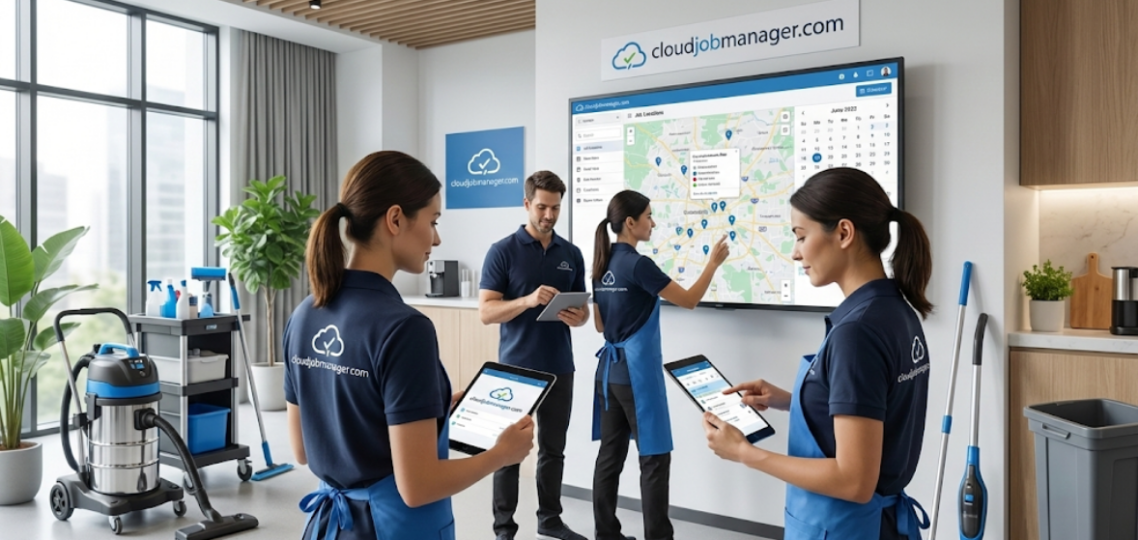
Cleaning Service Efficiency: Scheduling and Route Optimization Strategies
Running a cleaning service may seem simple, but owners face challenges beyond the surface: coordinating tight schedules, dispatching cleaners efficiently, and ensuring every client gets high-quality service. As demand rises, staying profitable depends on careful appointment planning and efficient routes, where strategic scheduling and route optimization are essential. Modern companies embrace systems that reduce travel, prevent overlaps, and boost reliability. Optimized scheduling consistently delivers better service, happier clients, and lower costs, fueling long-term growth.
Scheduling for cleaning businesses plays a central role in this transformation. When schedules are built with intention rather than rushed together each morning, cleaners can move from job to job without unnecessary downtime or confusion. Clients also benefit from accurate arrival windows, cleaner consistency, and fewer last-minute adjustments. Route optimization works in tandem with this. Instead of cleaners zig-zagging across town, their day unfolds in a logical sequence based on distance, traffic patterns, cleaning duration, and job type. This not only reduces fuel expenses but also helps the team complete more jobs per shift without feeling rushed. Together, these tactics form the operational backbone of any cleaning company aiming to scale sustainably.
Understanding the Core Scheduling Challenges in Cleaning Services
Scheduling in the cleaning industry has complexities that many new owners underestimate. Each job is different in duration, required skills, location, and access instructions. Some clients need recurring weekly service. Others book deep cleans or move-out turnovers. Commercial clients may require after-hours appointments. If these pieces are combined without structure, gaps and inefficiencies appear. Cleaners may travel long distances between jobs. Customers may get inconsistent arrival times. Daily schedules may look full, but still leave hours of unproductive slack.
Another challenge is unpredictability. Cleaners encounter traffic delays, longer-than-expected cleanings, last-minute add-on requests, or situations that require extra time to access. Without planning systems that allow quick adjustments, the entire day can fall out of sync. Over time, repeated scheduling errors can hurt client satisfaction and drain profitability. A company that struggles to maintain punctuality often faces negative reviews and churn, especially in a competitive market where customers expect reliability.
Businesses must also manage the human side of scheduling. Cleaners have different strengths, preferred routes, availability, and personal limits. Assigning the right cleaner to each job gets harder as the team grows. When a company enters multi-unit or commercial cleaning, the complexity increases. This is why cleaning service scheduling cannot always stay manual. Structured strategies and digital tools become necessary to keep operations smooth.
How Modern Scheduling Practices Improve Cleaning Business Efficiency
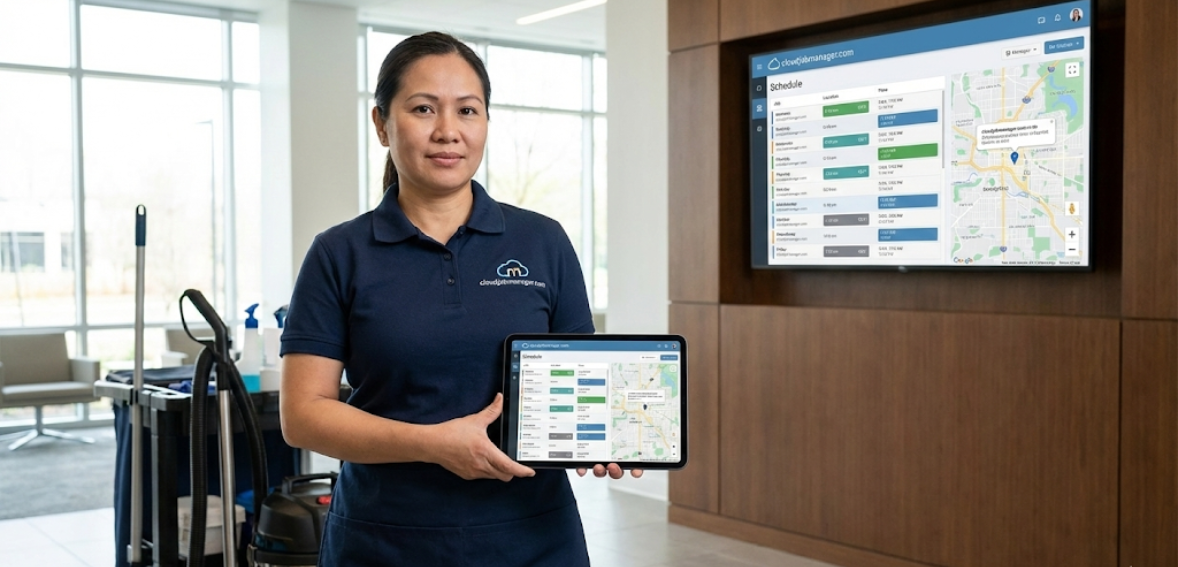
Many companies find that scheduling transformation begins by adopting workflows that align with the business’s natural rhythm. Instead of reacting to a daily puzzle, they set patterns based on job types, service durations, and location clusters. For example, recurring clients might always be scheduled at the same time. Deep cleans and special projects are slotted into mid-day windows. This reduces scheduling chaos and gives cleaners predictable routines.
Consistency is especially valuable for long-term clients who expect regular visits from the same cleaner or team. Predictable schedules help balance workloads and prevent burnout. Cleaners know what to expect daily. Clearer schedules mean dispatchers spend less time troubleshooting and more time monitoring quality and assisting clients.
Modern scheduling improves profitability. Businesses that see each appointment as part of a system, not just a standalone task, increase capacity without more labor. By building schedules with accurate estimates and set patterns, companies remove small inefficiencies that erode margins. Over several months, this leads to significant operational gains. Those who refine scheduling early position themselves for smoother growth.
The Impact of Route Optimization on Cleaner Productivity and Fuel Costs
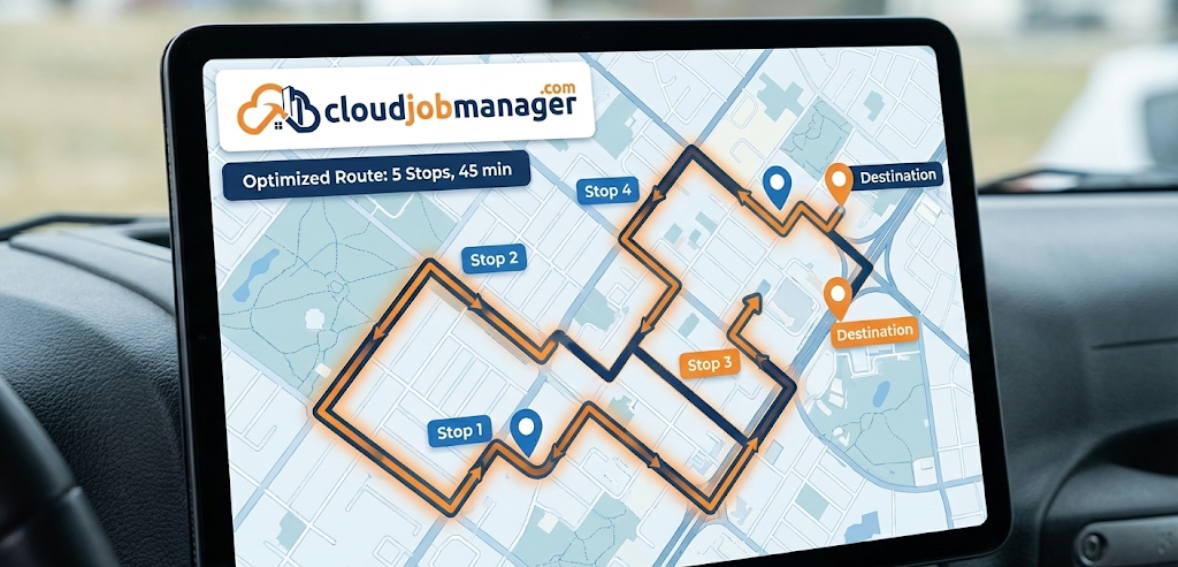
Route optimization directly influences how efficiently cleaners complete their day. Without thoughtful routing, cleaners may spend more time driving than cleaning, increasing costs and limiting capacity. A well-optimized route minimizes unnecessary backtracking, reduces fuel consumption, and shortens the distance between clients. For businesses with multiple cleaners operating simultaneously, the difference between an optimized route and a poorly planned one can be equivalent to hours of lost time each week.
Route optimization starts with a simple goal: group jobs by location and set a logical sequence. But planning must remain flexible. Traffic, road closures, seasonal trends, and cleaning times affect routing. Companies that factor in these details achieve better accuracy and punctuality. A cleaner who follows a smooth route arrives with more energy, finishes early, and avoids falling behind.
Efficient routes bring another benefit: customer satisfaction. Clients judge a cleaning business by reliability and punctuality. When cleaners arrive on time and follow set schedules, customers trust the service more. That trust helps with long-term retention and referrals. In service industries, route optimization offers a competitive advantage.
Integrating Cleaning Service Software for Smarter Scheduling and Routing
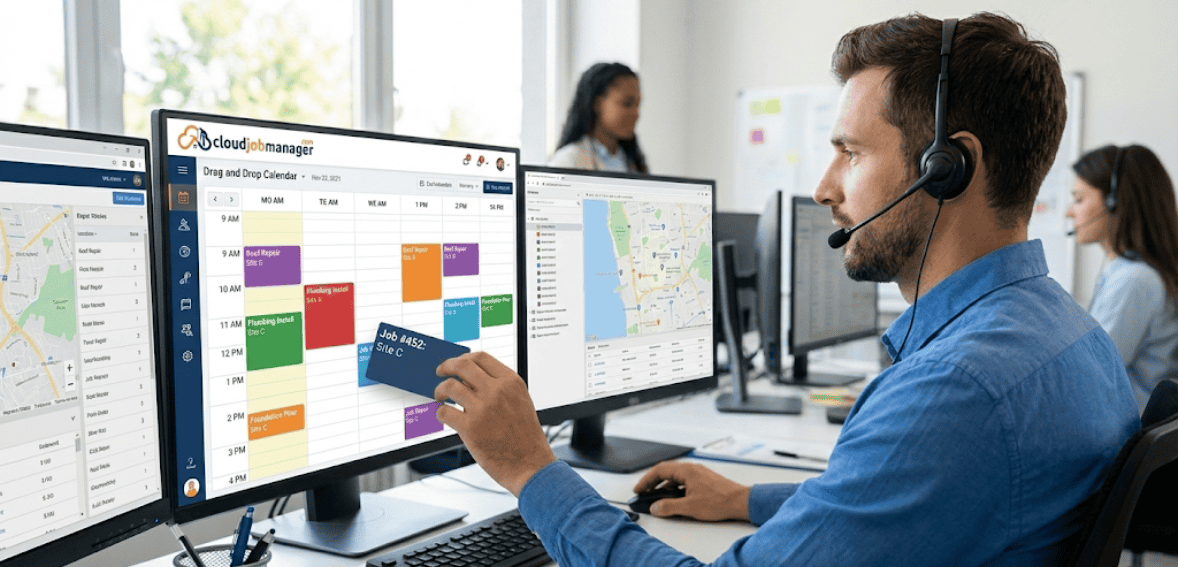
Cleaning service software has become the cornerstone of modern operations, automating processes that eliminate guesswork and enhance decision-making. These platforms allow businesses to create schedules that update in real time, assign cleaners based on location and skill set, and automatically adjust routes when changes occur. Instead of juggling texts, spreadsheets, and phone calls, owners can oversee their entire workflow from a centralized dashboard. The software becomes the single source of truth, ensuring that cleaners, dispatchers, and clients all remain aligned.
One of the biggest benefits of digital scheduling tools is their efficiency in handling last-minute adjustments. If a cleaner calls out, a client reschedules, or a job takes longer than expected, the system recalculates routes and redistributes tasks instantly. This prevents cascading delays and helps maintain service consistency even during unexpected disruptions. For growing businesses, this level of operational control is invaluable.
Cleaner dispatch also becomes smoother with digital tools. Cleaners receive job details, door codes, photos, checklists, and real-time updates directly on their mobile device, reducing communication gaps. The result is a more confident field team and a less overwhelmed office staff. By integrating field service scheduling and route optimization into a single system, cleaning companies achieve a level of precision that manual methods simply cannot.
Balancing Cleaner Workloads for Fairness and Long Term Retention

Even the best scheduling systems fail if workloads are uneven. In cleaning businesses, burnout often comes when jobs are poorly balanced. One cleaner might get several tough jobs in a row. Others may have lighter tasks and gaps. Over time, this inconsistency causes frustration, turnover, and lower service quality.
Balancing workloads begins with accurately estimating job durations and understanding the physical demands of each assignment. Recurring maintenance cleans are usually predictable, but deep cleans, post-construction projects, and move-outs require more time and energy. When schedules reflect these differences, cleaners feel supported and valued. They know the company is paying attention to fairness, not just squeezing in as many jobs as possible. Fair workload distribution also improves morale and encourages cleaners to stay with the company longer, reducing costly hiring cycles.
This balance is key to customer experience as well. A cleaner who’s overworked will move through tasks quickly, increasing the chance of missed details. By contrast, a cleaner working at a realistic pace has the bandwidth to deliver consistent quality. When the team feels supported, the business gains not just efficiency but stronger performance and glowing reviews.
Using Data Insights to Refine Scheduling and Improve Service Quality
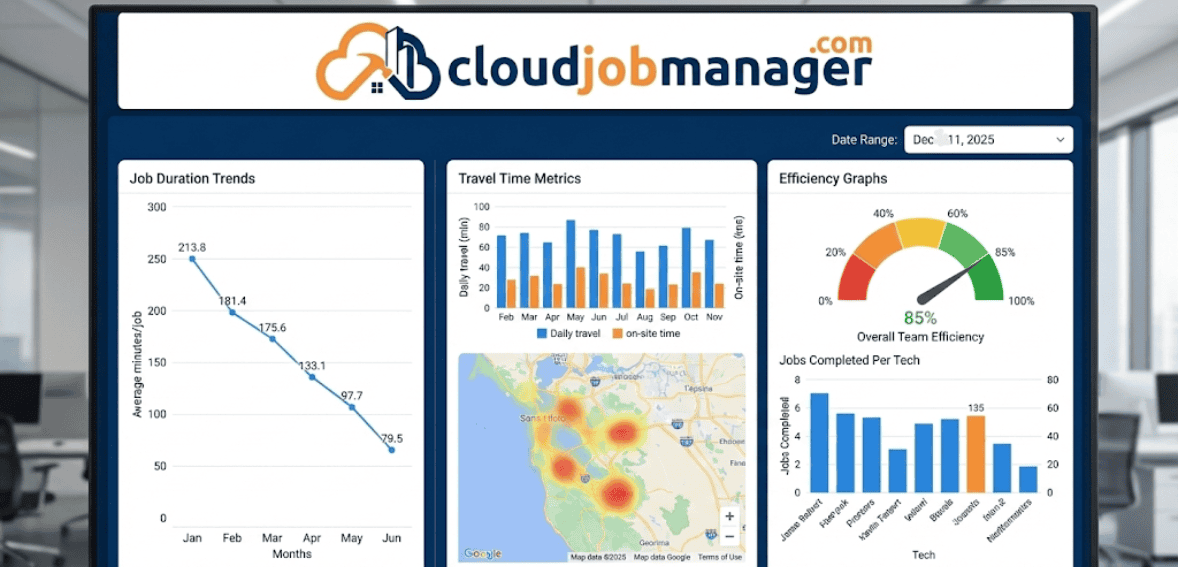
One of the biggest advantages of modern cleaning service scheduling is the amount of data it generates. Every job, travel distance, time duration, and customer interaction becomes a valuable piece of operational insight. These patterns allow managers to identify inefficiencies that would be invisible through manual scheduling. For instance, if data shows that certain neighborhoods consistently experience longer travel times, the business can adjust its geographic grouping. If a recurring client’s job always runs over schedule, the system can automatically update the expected duration so it no longer disrupts the day.
Data also helps refine staffing decisions. By reviewing which cleaners complete specific job types most efficiently or consistently receive positive feedback, managers can tailor assignments based on strengths. Predictive patterns emerge as well, such as seasonal surges in deep cleans or unexpected dips in weekday bookings. Instead of reacting to surprises, owners can proactively plan inventory, staffing, and marketing strategies.
These insights extend beyond operations into customer satisfaction. When schedules become more accurate and punctuality improves, customers feel the difference immediately. Cleaner routing becomes smoother, arrival windows tighten, and service delays reduce. Over time, the company builds a reputation for precision and reliability, which are two of the most valued qualities in the cleaning industry.
Creating a Client Experience Built on Reliable Scheduling and Consistent Communication

Customer service standards are evolving because customers desire more transparency and quicker responses. Every company wants to make sure that its people are ready because these new demands may also bring forth new challenges.
A well-planned schedule means little if customers remain out of the loop. Clients want transparency, predictability, and reassurance that their time is respected. That’s why communication plays such a crucial role in the efficiency of cleaning services. When customers receive appointment reminders, accurate arrival windows, and notifications about any adjustments, they feel cared for rather than inconvenienced.
Clear communication becomes even more important in businesses that offer recurring cleanings. Customers rely on consistency on the same days, at similar times, and with minimal surprises. With proper scheduling and route optimization, cleaners show up when expected, and the company can maintain a professional rhythm that strengthens trust. For commercial accounts, this level of communication prevents access issues, reduces interruptions to business activities, and helps maintain long-term contracts.
Even small actions contribute to client satisfaction. A quick message confirming a cleaner is on the way, a follow-up after service, or a reminder about upcoming appointments can turn a routine cleaning into a polished experience. When a business uses communication as part of its operational strategy, clients notice the difference and reward the company with loyalty and referrals.
Preparing Your Cleaning Business for Scalable Growth Through Smart Scheduling
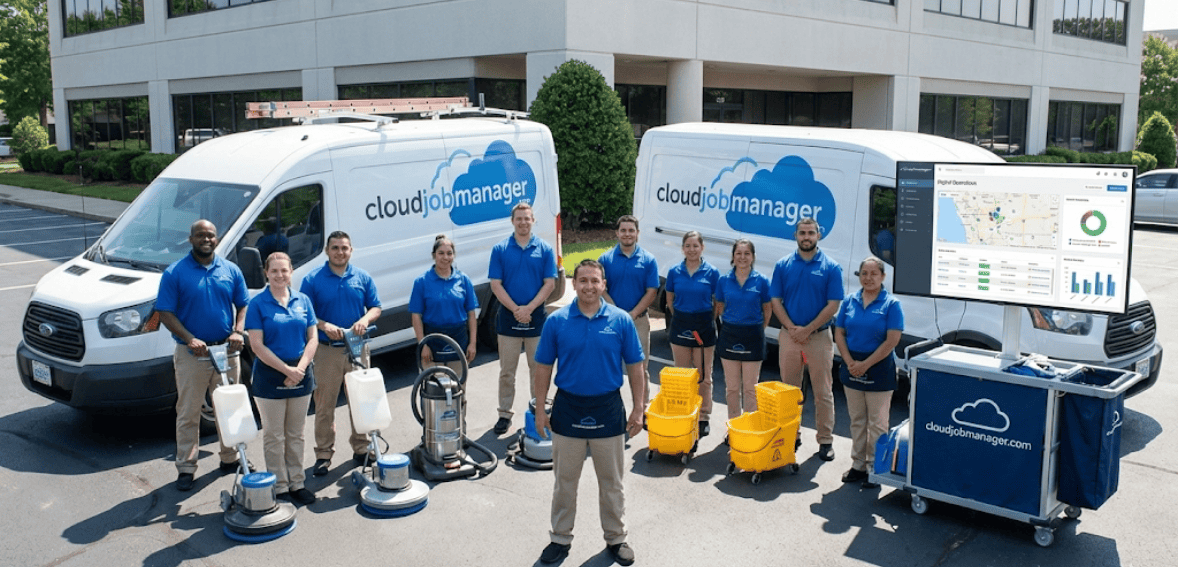
As a cleaning company grows from a solo operation to multiple teams, scheduling becomes the foundation that supports expansion. Without structured planning, growth can quickly spiral into confusion, missed appointments, and unhappy customers. But with optimized routes, balanced workloads, and automated scheduling systems, scaling becomes smooth and sustainable.
Growth introduces higher job volume, wider service areas, and more complex team structures. At this stage, cleaning service software becomes indispensable. It allows managers to oversee multiple teams, maintain quality across different routes, and make informed decisions using accurate operational data. Most importantly, it ensures that new clients receive the same level of reliability as long-term customers.
Preparing for growth also means refining processes early. When companies establish efficient scheduling habits before expanding, the transition becomes almost effortless. Cleaners receive clear routines, managers gain visibility, and customers enjoy consistent service. The more polished the scheduling system, the easier it becomes to scale operations without sacrificing quality.
Conclusion
Cleaning businesses succeed when they operate with precision, not luck. Scheduling and route optimization transform a business from chaotic and reactive to controlled and efficient. By thoughtfully organizing daily workflows, minimizing travel time, balancing workloads, and using real-time tools to adapt to changes, companies create smoother operations that benefit both cleaners and clients. As the industry becomes more competitive, the businesses that thrive will be those that use scheduling strategy as a core driver of service quality, profitability, and long-term growth. With the right systems and habits, efficiency stops being a struggle and becomes a natural part of how the business operates every day.
FAQs
Why is scheduling important to cleaning companies?
Because it directly affects efficiency, travel time, and customer satisfaction. A structured schedule helps cleaners stay on track and allows businesses to serve more clients without chaos.
How does route optimization reduce costs?
By minimizing unnecessary driving and grouping nearby jobs together. This lowers fuel consumption, reduces vehicle wear, and increases the number of jobs completed per day.
Can small cleaning businesses benefit from scheduling software?
Yes, even a single cleaner operation saves time and reduces errors with digital scheduling. As the business grows, software becomes essential for managing multiple jobs and areas.
Does optimized scheduling improve customer satisfaction?
Absolutely. Customers appreciate accurate arrival windows, timely updates, and consistent service. Efficient scheduling prevents delays and builds trust.
How does scheduling support business growth?
It creates structure. With clear workflows and minimized downtime, businesses can add more customers, more cleaners, and more routes without sacrificing quality.