

CRM for Contractors: Building Customer Loyalty in Field Service Businesses
In field service, winning a job is just the start. Real growth begins after the truck leaves. Contractors who focus on one-time jobs end up chasing new leads, handling emergencies, and cutting prices. Contractors who build strong customer relationships earn repeat business, referrals, and steady revenue. A contractor CRM isn’t just a database; it drives customer loyalty.
Customer loyalty in field service depends on consistency and trust, not flashy marketing or discounts. Show customers they matter beyond a single invoice. Modern CRM tools help contractors stay organized, communicate clearly, and follow up at the right times. Used well, a field service CRM turns daily service into long-term relationships that drive growth.
Why Customer Loyalty Matters More Than Ever in Field Service

Field service businesses face fierce competition. Customers have many options and can easily switch providers. Loyalty now requires reliable service and real engagement.
Loyal customers lower marketing costs because repeat business is easier to keep than finding new leads. Loyal customers are more forgiving when mistakes happen because trust exists. They approve additional services and recommend contractors, boosting growth through reputation and relationships.
CRM for contractors helps teams remember details, track service history, and maintain consistent communication. Without it, even the best plans for follow-up or personalized service fail under daily pressure.
Understanding CRM for Contractors Beyond Contact Storage
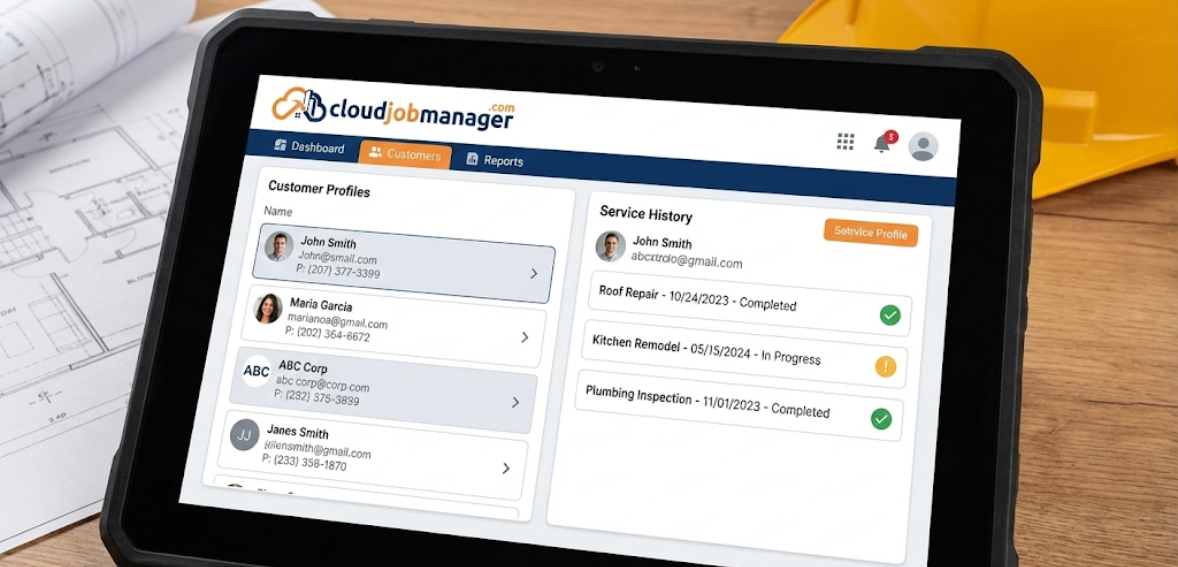
Many contractors see customer relationship management as a digital address book. Storing names and phone numbers is only part of CRM. Modern systems track the customer journey, recording every interaction from first inquiry to ongoing service visits.
A strong field service CRM links customer profiles with job history, invoices, notes, photos, and communication logs. Technicians and office staff see all customer info at a glance. This allows the business to be consistent and aware with every visit.
This understanding lets contractors anticipate needs, avoid repeating questions, and deliver smoother service. As customers see this consistency and professionalism, loyalty grows even when other providers offer lower prices.
Turning First-Time Customers into Long-Term Clients
The time after a job is done is often missed. Many contractors jump to the next task, thinking the customer will call if they need more help. In reality, silence makes it easy for customers to forget who did the work.
A CRM for contractors closes this gap with structured follow-ups. Confirm satisfaction, document work, and schedule check-ins to show you care about the relationship. These touchpoints work best when timely and relevant, not intrusive.
Consistent follow-up builds familiarity. When customers see that a contractor is proactive and dependable, they are more likely to return for services and maintenance rather than shop around.
Using Field Service CRM to Personalize the Customer Experience
Personalization is a must. Customers want to feel known, especially when they let technicians into their space. Remember preferences, issues, and communication styles to make visits smooth and comfortable.
Field service CRMs centralize customer info for staff and techs. Notes on access, equipment history, or past concerns prevent repeats and mistakes. Even small preferences, like contact methods, improve the experience.
This personalization builds trust. Customers know the contractor understands their needs and will deliver consistently. Trust leads to loyalty.
Strengthening Communication Consistency Across the Business
Inconsistent communication quickly loses customer trust. Missed callbacks, unclear updates, or mixed messages from staff frustrate customers. They see one business, not separate teams.
CRM for contractors centralizes all customer interactions. Everyone sees the same information, which speeds up responses and improves accuracy. Customers get consistent messages from everyone, reinforcing professionalism.
Clear communication also reduces misunderstandings around scheduling, pricing, and the scope of work. When expectations are set and documented, customers feel safer and are less likely to dispute outcomes later. This stability strengthens long-term relationships.
Building Trust Through Reliable Service History and Transparency
Trust grows when customers are informed and in control. A CRM provides clear service records, recommendations, and outcomes. When customers ask about past work or next steps, answers are ready and accurate.
Transparency shows accountability. Contractors can point to documented service history rather than rely on memory. Clarity is key, especially for recurring or complex services.
Over time, this approach makes the contractor a trusted advisor rather than just a service provider. Customers who trust recommendations stay loyal and approve extra work when needed.
Laying the Foundation for Retention Marketing Without Pressure
Retention marketing in field service is not sales-driven. It focuses on staying relevant and helpful. A CRM for contractors helps by organizing customer data to enable thoughtful outreach.
Skip generic promos. Focus on reminders, check-ins, and educational messages that meet customer needs. This support builds a long-term partnership in property or equipment care.
Turning CRM Data Into Repeat Business Instead of One-Time Jobs
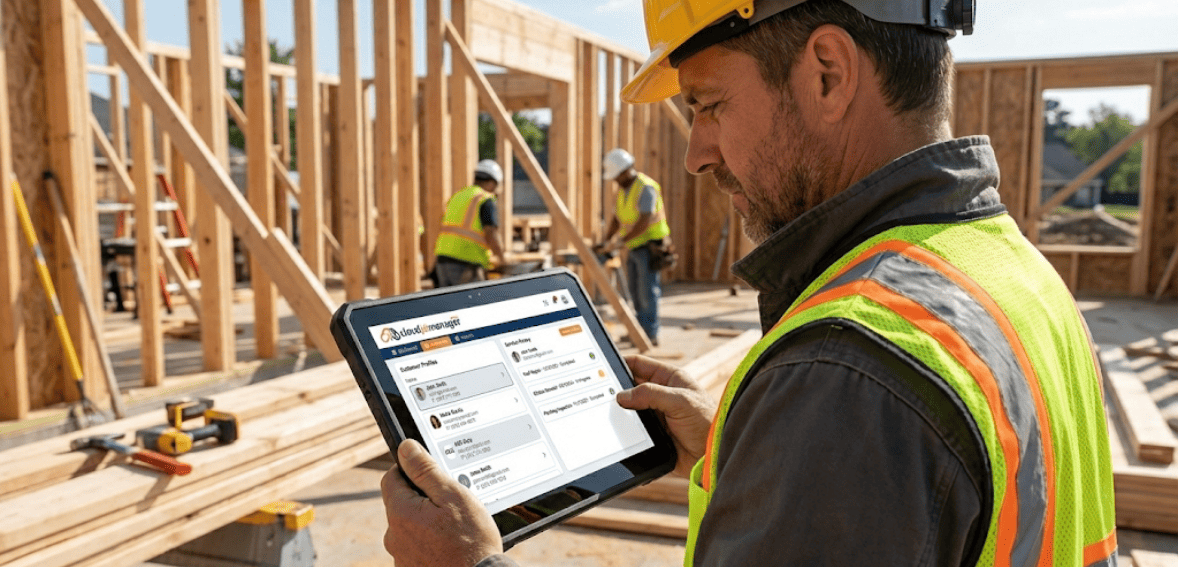
One of the biggest advantages of using a CRM for contractors is the ability to stop relying solely on memory and instinct. Many contractors know they should follow up, check in, or suggest additional services, but in the rush of daily work, those intentions often fall by the wayside. A CRM turns good intentions into consistent actions.
When customer records include service dates, equipment details, and previous recommendations, repeat business becomes natural rather than forced. Instead of sending generic reminders, contractors can reach out with relevance. A customer who had an electrical panel upgrade last year might benefit from a safety inspection this year. A homeowner who recently installed new plumbing fixtures may need seasonal maintenance later. The CRM quietly connects these dots.
Customers don’t feel like they’re being sold. They feel remembered. That feeling is what brings them back again and again.
How CRM Driven Follow-Ups Strengthen Long-Term Relationships

Follow-up is where many field service businesses lose momentum. Once the invoice is paid, communication often stops completely. From the customer’s perspective, this can feel transactional even if the service itself was excellent.
CRM systems help normalize follow-ups as part of the workflow rather than an extra task. Whether it’s a quick satisfaction check, a service summary, or a future reminder, these touchpoints show professionalism and care. Over time, customers associate the contractor with reliability and attentiveness.
Even when customers don’t respond directly, consistent follow-up builds familiarity. When a future need arises, the contractor who stayed in touch feels like the obvious choice.
Using CRM to Build Customer Loyalty Without Discounts

Many contractors try to build loyalty through pricing by offering discounts, coupons, or one-time deals. While these can attract attention, they don’t always create lasting relationships. Loyalty built on price is fragile; loyalty built on trust is durable.
A CRM supports loyalty by helping contractors deliver a better experience rather than a cheaper one. Faster response times, accurate job history, clear communication, and personalized service matter far more to most customers than saving a few dollars.
When customers feel understood and supported, they stop comparing prices as aggressively. They stay because switching feels risky, not because staying is cheaper.
Transforming Service Follow-Up Into Retention Marketing
Retention marketing doesn’t require aggressive campaigns or constant promotions. In field service, it’s often as simple as staying visible and helpful. CRM tools make this easy by organizing customer lists based on service type, timing, or needs.
Instead of mass emails, contractors can send targeted messages that align with real situations. Seasonal reminders, safety notices, or maintenance check-ins feel useful rather than promotional. Customers value guidance and associate business with expertise.
This quiet, consistent presence keeps the contractor top of mind without overwhelming the customer. Over time, that familiarity becomes loyalty.
Turning Happy Customers Into Referral Engines
Referrals are one of the strongest growth drivers in field service. They also happen more naturally when relationships are strong. A CRM for contractors helps identify happy customers by tracking feedback, job outcomes, and repeat interactions.
When contractors know who their satisfied customers are, they can time referral requests appropriately. Asking for a referral right after a positive experience feels natural and respectful. CRM systems ensure those moments aren’t missed.
Even when customers aren’t asked directly, strong relationships encourage organic referrals. People recommend businesses they trust, especially when they’ve had consistent, positive experiences.
Measuring Customer Loyalty Through CRM Insights

Loyalty isn’t just a feeling; it can be measured. CRM systems provide visibility into patterns that indicate strong customer relationships. Repeat service frequency, response times, and long-term engagement all tell a story about customer satisfaction.
When contractors review these insights regularly, they can identify what’s working and where relationships may be weakening. Maybe certain service types generate more repeat business. Maybe faster follow-ups lead to higher retention. CRM data turns these observations into actionable knowledge.
This feedback loop allows businesses to improve continuously rather than guessing what customers want.
Aligning Office and Field Teams Around the Customer
Customer loyalty suffers when office staff and technicians operate in silos. Mixed messages, missing notes, or unclear expectations create frustration for customers, even when everyone is working hard. A shared CRM creates alignment by ensuring everyone sees the same information. Technicians arrive informed. Office staff respond confidently. Customers experience the business as unified and organized.
This consistency builds credibility. Customers trust businesses that appear coordinated and professional, especially in service situations where reliability matters most.
Preparing the Business for Scalable, Relationship-Based Growth
As field service businesses grow, maintaining personal relationships becomes more challenging. Without systems, growth often leads to impersonal service and declining loyalty. CRM for contractors prevents this by preserving relationship quality even as volume increases.
By systematizing follow-ups, communication, and service history, contractors can scale without losing the personal touch that built their reputation in the first place. Growth feels intentional rather than chaotic.
This balance of efficiency without losing humanity is what separates sustainable businesses from those that burn out chasing constant new leads.
Conclusion: CRM as the Foundation of Customer Loyalty
Customer loyalty in field service doesn’t happen by accident. It’s built through consistent communication, reliable service, and thoughtful follow-up. A CRM for contractors supports all these elements by turning customer relationships into an organized, repeatable process.
Rather than relying on memory or luck, contractors can use CRM tools to deliver personalized, professional service every time. Over time, this consistency creates trust. Trust creates loyalty. And loyalty creates long-term business stability.
For contractors who want to move beyond one-time jobs and build a future rooted in relationships, CRM isn’t just software; it’s a strategy.
FAQs
How does CRM for contractors improve customer loyalty?
By keeping complete service history and communication in one place, CRM helps contractors follow up consistently and personalize service, which builds trust over time.
Is CRM useful for small field service businesses?
Yes. Even small teams benefit from organized customer records and automated follow-ups, which prevent missed opportunities and improve professionalism.
Can CRM help increase repeat business without discounts?
Absolutely. CRM focuses on better service, communication, and timing, which are stronger loyalty drivers than price reductions.
How does CRM support referrals?
CRM helps identify satisfied customers and track interactions, making it easier to request referrals at the right moment.
Does CRM replace personal customer relationships?
No. CRM enhances personal relationships by ensuring no details are forgotten, and every customer feels remembered and valued.