

HVAC Scheduling & Dispatch: Keep Cool with Cloud Job Management
Efficient scheduling and dispatching are the foundation of every successful HVAC service operation. Whether it’s the peak of summer heat when air conditioners fail back-to-back, or the bitter winter stretch when heating calls overwhelm the phone lines, the ability to assign the right technician to the right job at the right time can determine whether a customer becomes loyal for life or never calls again. Many HVAC companies still try to stay organized with whiteboards, spreadsheets, clipboards, and phone chains, but these outdated tools crack under real-world pressure. When jobs pile up, emergency calls disrupt the calendar, and technicians criss-cross the city, manual scheduling becomes chaotic. Missed appointments, double-bookings, long travel times, and lack of real-time updates aren’t just inconveniences, they’re expensive problems that affect profitability and reputation.
This is where HVAC scheduling software and cloud-based business management tools transform the game. Field service scheduling platforms allow dispatchers to monitor every job status in real time, instantly see technician locations, assign jobs based on skill and availability, and reshuffle schedules in seconds when emergencies arise. And for customers, clear communication and predictable timelines build trust especially during stressful, critical breakdowns. Cloud platforms replace uncertainty with clarity, keeping both office teams and field technicians aligned, focused, and productive.
Modern HVAC businesses operate in a world where speed, transparency, and accuracy define competitive advantage. Customers no longer tolerate vague arrival windows or unreliable updates; they expect precision, professionalism, and convenience. They want to know when the technician is arriving, who is coming, and how long the job will take. They expect smooth digital experiences, and HVAC companies that deliver them stand out from the pack. That’s why switching from manual scheduling to HVAC scheduling software is not just a convenience upgrade, it is a strategic operational decision that allows companies to grow, reduce waste, and improve customer confidence.
HVAC Scheduling Challenges: Why Traditional Systems Fall Apart

Nothing tests an HVAC service business like peak demand season. When temperatures spike and air conditioners or furnaces fail, the volume of calls can triple within hours. Without intelligent scheduling and structured dispatch processes, the stress becomes visible instantly: overlapping jobs, forgotten appointments, technicians stuck across town unable to reach the next call, angry customers calling again and again asking for updates, and dispatchers scrambling to reorganize the day manually.
Traditional dispatch methods depend heavily on human memory and fragmented communication. A scheduler might jot something on a sticky note, call a technician directly, or rearrange the calendar manually often without visibility into where every tech actually is or how long each job is taking. When a technician falls behind schedule, there’s no automatic update that turns into proactive outreach; instead, customers wait, worry, and eventually complain. And when a dispatcher can’t see real-time status changes, they end up guessing who is available instead of assigning the most logical person. Over time, this creates expensive ripple effects: overtime costs, missed revenue opportunities, mishandled emergency calls, and decreased technician morale.
Even the most experienced dispatcher cannot manage unpredictable field activity alone when the tools are not built for today’s operational needs. HVAC companies also face the challenge of balancing scheduled maintenance, warranty service visits, installation jobs, and urgent breakdown repairs all in the same day. Without a system that prioritizes based on urgency, location, workload, and skill level, efficiency breaks down fast. The business becomes reactive rather than proactive, surviving each day rather than optimizing it.
This is why HVAC businesses across the industry are recognizing that manual scheduling is a liability, not a neutral choice. It works only until growth begins. What used to feel manageable becomes overwhelming, and the operational cracks start to show in customer reviews, employee burnout, and lost revenue that could have been avoided with more innovative tools and better structure.
Benefits of Real Time Dispatch Software
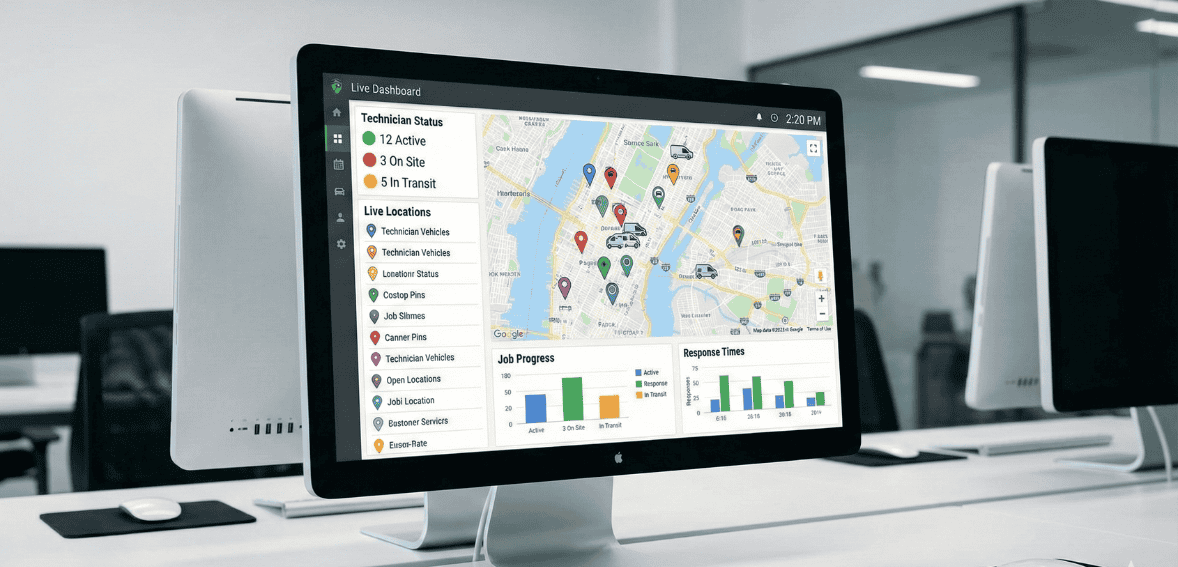
Real-time visibility is the most significant advantage that cloud scheduling systems bring to HVAC business operations. When dispatchers can see technician locations via GPS, receive job progress updates as they happen, and have schedule changes instantly reflected in the system, the entire workflow becomes smoother and more predictable. Instead of chasing down information, the office has everything on a single shared dashboard. Instead of wondering where a technician is, dispatch can monitor travel progress in real time. Instead of blindly assigning jobs, they can match availability with the right technician at the right time.
With HVAC scheduling software, updates replace assumptions. If a job is running long, dispatch can send notifications immediately and adjust the schedule before delays stack up. When an emergency call comes in, the dispatcher can locate the nearest qualified technician and reassign them within seconds. The system makes complex decisions simple by offering clarity and control.
Another powerful benefit is internal alignment. Technicians receive digital job details, customer notes, history logs, and instructions through the mobile app, rather than relying on secondhand information or rushed phone calls. This reduces errors and confusion. Field teams no longer need to call repeatedly to ask for directions, parts information, or next steps; everything is already shared.
The result is fewer disruptions, fewer mistakes, and far more efficient use of time and resources. In an industry where every minute matters, the ability to make reliable decisions quickly directly impacts revenue and customer satisfaction. Instead of reacting to problems, the business can operate with confidence and predictability.
Optimizing Routes & Technician Assignment
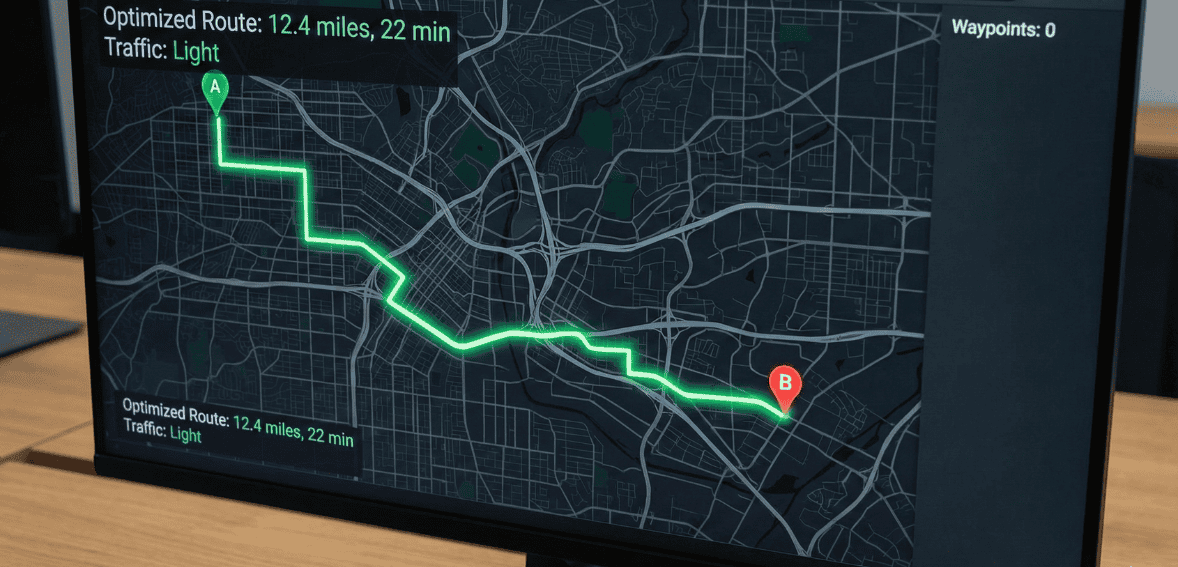
One of the costliest inefficiencies in fieldwork is unnecessary travel. Without innovative routing tools, companies waste hours each week sending technicians back and forth across vast service territories. Time spent driving is time not spent fixing equipment and that time translates to lost revenue. Manual scheduling rarely accounts for real-time factors like traffic, proximity, or remaining shift hours, leaving the workday a patchwork of inefficiency.
Cloud job management platforms allow dispatchers to view technician locations on a live map and assign jobs based on geography and skill level. When routes are optimized, travel time drops significantly. By reducing unnecessary backtracking, HVAC companies can complete more jobs per day without hiring additional staff. In many cases, optimized scheduling routes allow 20–30% more completed appointments with the same team size, because technicians spend their day working rather than traveling.
Skill-based assignment matters as much. Not every technician has identical experience or certifications. A complex installation or diagnostic call requires a different skill set than a simple filter replacement or tune-up. When dispatchers assign work based on expertise rather than just availability, problems are resolved faster, and first-time fix rates increase dramatically. This leads to happier customers, lower repeat visit costs, and a more confident field team.
Efficient routing and smart technician allocation also protect technician morale. Nobody wants to spend their shift in the truck instead of solving customer problems. Smarter assignments make daily workloads more realistic and structured.
Improving Customer Experience with Accurate ETAs & Transparency
Customer expectations have changed, and the HVAC industry must adapt. People do not want vague arrival windows like “anytime between 8 AM and 5 PM.” They want accurate ETAs and consistent updates. When customers are unsure if a technician is late or on the way, frustration builds quickly. Even a high-quality repair job can’t undo a poor communication experience.
Cloud-based dispatch systems allow automated appointment confirmations, reminder messages, and technician-on-the-way alerts. Customers no longer feel left in the dark; they receive clear, proactive updates. Some systems even offer real-time tracking links so customers can see exactly when the technician will arrive. This level of transparency builds trust, reduces customer anxiety, and increases the likelihood of positive reviews and repeat business.
Additionally, communication tools allow technicians to provide status updates back to the office without interrupting workflow, so dispatchers can stay ahead of potential delays and adjust scheduling before minor issues escalate. The entire service experience feels polished, modern, and respectful of customer time. It is a powerful differentiator in a competitive HVAC market.
Managing Emergency Calls Without Disrupting the Entire Schedule
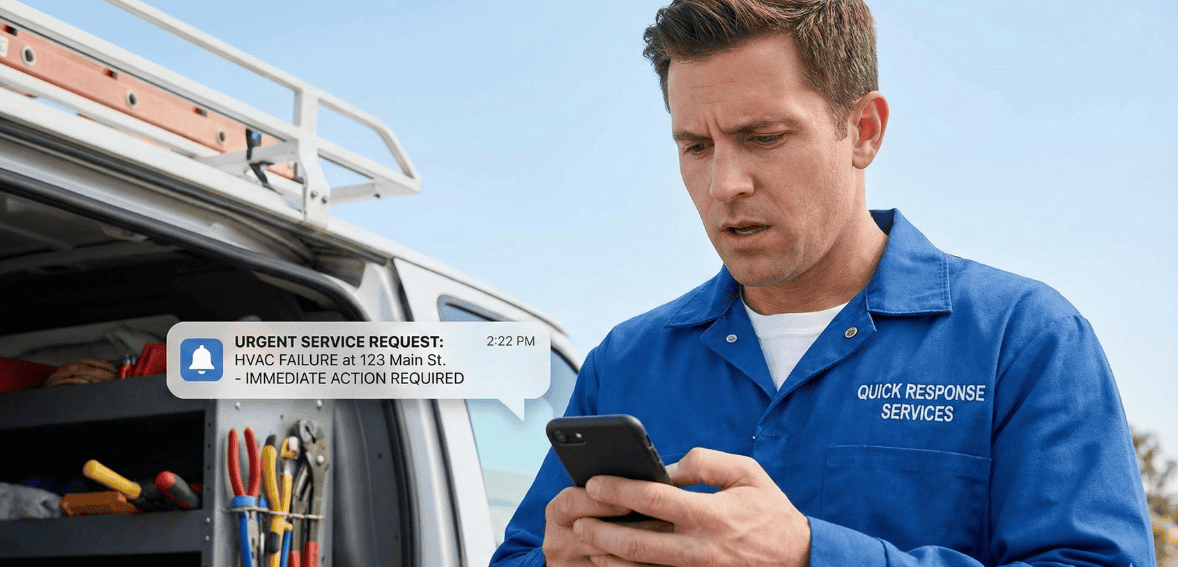
Every HVAC company knows the pressure emergency calls create. When a commercial system shuts down during business hours or a family loses heat in the middle of winter, waiting isn’t an option and customers expect immediate action. Without structured scheduling and responsive dispatch tools, emergency requests throw the entire day into chaos. Technicians get pulled from planned jobs without notice, customers waiting on routine appointments feel overlooked, and dispatchers struggle to rebalance workloads manually.
Cloud scheduling software changes how emergencies are handled by enabling real-time schedule adjustments without confusion or downtime. Dispatchers can instantly view all active jobs, technician status, and upcoming commitments in one interface. They can see who is finishing soon, who is nearby, and who has the right skillset for the emergency. Instead of calling every technician individually or guessing, they make a confident decision with complete visibility. Automated notifications keep both the field technician and the office informed without phone tag, preventing miscommunication and wasted time.
For customers, this responsiveness feels like reliability. When they know help is coming quickly and receive accurate updates instead of silence, the company earns trust. Emergency calls become opportunities to prove professionalism under pressure rather than becoming stressful disruptions. And the more efficiently a company handles emergencies, the more likely those customers are to recommend and return.
How Automation Reduces Administrative Load and Improves Workflow

One of the most underestimated advantages of HVAC scheduling software is the massive reduction in administrative burden. In a traditional setup, dispatch teams spend countless hours manually coordinating technicians, updating spreadsheets, calling customers, writing out job sheets, and recording completed work for billing. Every one of those steps is a chance for delays, errors, and duplicated effort.
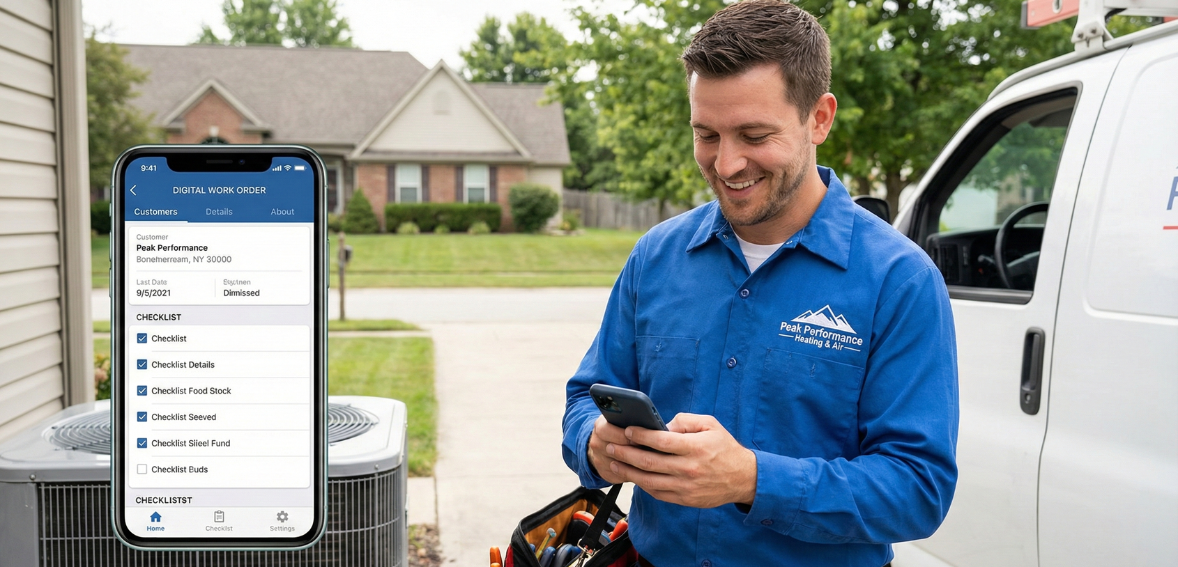
Cloud automation replaces these labor-heavy tasks with automatic updates, timestamped job tracking, digitized forms, and seamless communication. Instead of printing and delivering paper job tickets, technicians access digital work orders through their mobile app. Status changes like On the way, Job started, or Completed are automatically updated in the office. Customer appointment confirmations and reminders can be scheduled to send automatically, freeing office staff from repeated manual calling. When a job is completed, the technician can capture photos, notes, and signatures in seconds, ready for billing instantly.
This workflow streamlines the entire operation. Instead of handling routine tasks manually, administrative teams focus on growth: follow-ups, lead nurturing, customer relationships, and performance tracking. Meanwhile, technicians move faster and require less back and forth with the office. The system becomes a smooth, coordinated machine rather than a constant scramble.
Improving Technician Productivity & Morale Through Smarter Scheduling
Behind every successful HVAC business is a strong team of technicians, and scheduling directly impacts their motivation and job satisfaction. Poor scheduling forces techs into long travel days, unpredictable workloads, and repeated unnecessary calls back to the office. It leads to exhaustion, frustration, and burnout especially during peak seasons when the job is already demanding. Productivity drops when a technician spends hours driving instead of doing billable work.
When scheduling is intelligent and organized, technicians feel supported, respected, and able to perform at their best. Intelligent route planning helps them work in logical geographic clusters rather than endlessly crossing a city. Skill-based assignments ensure they are working on jobs suited to their experience, rather than constantly needing extra help or returning later with missing parts. Real-time updates mean fewer surprises, fewer stressful adjustments, and fewer moments feeling misinformed in front of customers.
Technicians want to solve problems, not fight inefficiency. When they see that the business invests in tools that make their day easier, trust grows, and morale strengthens. Happy technicians communicate better with customers, deliver higher-quality work, and stay with the company longer. Scheduling isn’t just logistics, it is a key part of culture and retention.
Using Data Insights to Improve Scheduling Efficiency Continuously
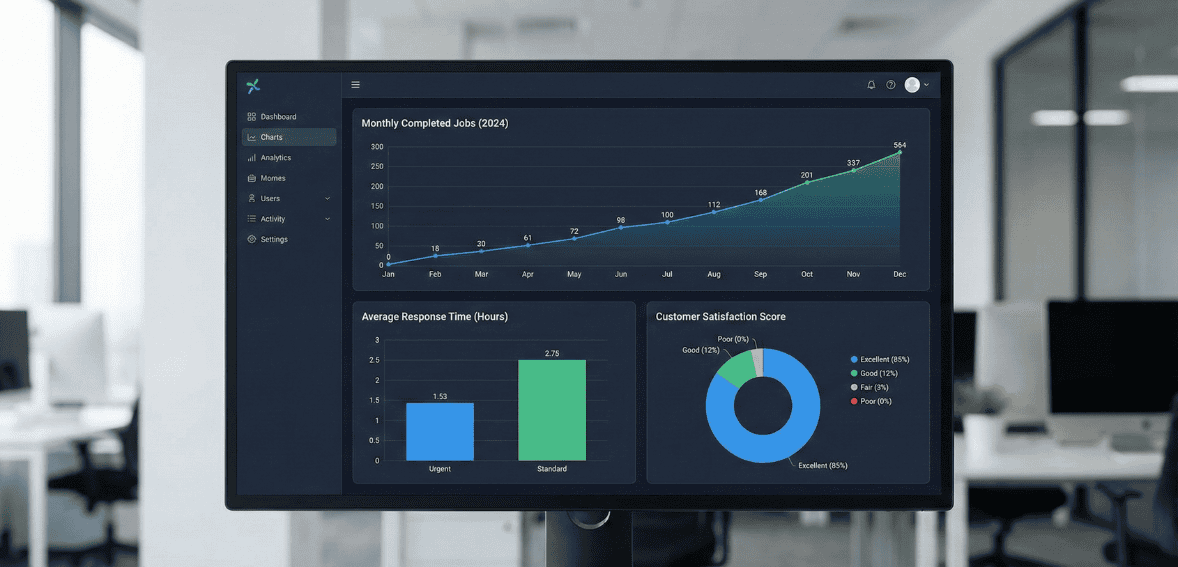
A decisive advantage of cloud-based dispatch systems is the amount of insight they unlock. Manual scheduling provides no measurable performance data; there’s no simple way to see how many jobs were completed each day, how many required repeat visits, or how much time was lost in travel or idle waiting. Without data, decisions are based on intuition rather than evidence.
Modern HVAC scheduling software tracks everything: job duration, travel time, overtime patterns, first time fix rates, customer satisfaction, and individual technician performance. Over time, this builds an intelligent picture of how the business operates revealing areas that need improvement and opportunities for optimization. If average job times are longer on specific services, training might be required. If one technician consistently finishes more jobs, their approach can become a model for others. If a particular scheduling style repeatedly creates delays in the afternoon, adjustments can be made proactively.
Data transforms scheduling from reactive guesswork into a strategic system. Instead of fighting problems, companies prevent them. Instead of wondering why results fluctuate, they understand the cause and respond with precision. This is how HVAC companies scale beyond survival and into sustainable growth.
Conclusion
HVAC scheduling and dispatch have evolved far beyond handwritten calendars and phone chains. In a world where customers demand instant communication and fast service, and where field teams rely on clarity and structure, manual systems cannot support a growing HVAC business. Cloud-based job management platforms give companies the tools to operate efficiently, accurately, and with confidence. They reduce travel time, eliminate scheduling errors, support technicians with real-time information, and transform emergencies into manageable events rather than disasters.
When scheduling becomes intelligent and automated, productivity increases, revenue grows, and customer satisfaction improves dramatically. Business becomes scalable, not fragile. Every HVAC company, whether small or large, benefits when dispatch stops being a bottleneck and becomes a strategic advantage. In an industry powered by reliability and trust, intelligent scheduling is how companies stay competitive, deliver exceptional service, and build a strong foundation for long-term success.
FAQs
How does HVAC scheduling software boost profitability?
By improving route planning, reducing wasted travel time, and helping technicians complete more jobs per day, profitability increases naturally. Automation lowers administrative overhead, and fewer delays mean fewer overtime costs and more satisfied customers returning for service.
How does real-time dispatch improve customer satisfaction?
Customers receive updates automatically, including arrival notifications, ETA adjustments, and confirmation messages. Transparency reduces stress, builds trust, and makes customers feel valued throughout the service experience.
What’s the biggest weakness of manual scheduling systems?
They rely heavily on memory, scattered notes, and guesswork. When emergencies occur or schedules shift suddenly, manual systems cannot adapt quickly, leading to confusion, long delays, and inconsistent service quality.
Do technicians like digital scheduling systems?
Yes, digital schedules improve clarity, eliminate paperwork, and reduce wasted driving time. Technicians receive accurate instructions, part details, and customer notes instantly, helping them work confidently and efficiently.
Is automation difficult to implement?
Most modern platforms are designed for easy adoption and intuitive daily use. Even tech light teams adapt quickly because the software removes complexity rather than adding to it. Once implemented, the time and stress saved are immediate.