

Leveraging Maintenance Contracts for Recurring Revenue in Your Service Business
For many service businesses, growth often feels unpredictable. Revenue jumps during seasonal rushes and then disappears without warning. A week can go from overflowing with urgent calls to painfully silent, leaving technicians idle and cash flow unstable. This rollercoaster pattern is one of the biggest operational challenges in field service businesses whether HVAC, plumbing, electrical, pest control, landscaping, appliance repair, or any other trade reliant on customer demand. When companies depend solely on emergency jobs or one-time service requests, they are constantly reacting rather than controlling their financial future.
This is why leveraging maintenance contracts for recurring revenue has become one of the most reliable strategies for stability and long-term growth in the service industry. Instead of hoping for the phone to ring, businesses with maintenance plans build predictable income streams through scheduled service agreements. These contracts create ongoing relationships rather than transactional encounters, transforming occasional customers into loyal clients who remain with the company for years.
Recurring revenue provides something priceless: consistency. It enables better planning, more intelligent resource allocation, and a sustainable foundation for expansion. It also unlocks a higher lifetime value per customer because each maintenance visit strengthens trust, improves equipment performance, prevents breakdowns, and naturally opens the door to additional services. When customers know a technician will be coming regularly, they are more likely to invest in upgrades, replacements, and preventive maintenance rather than wait until something becomes an emergency.
From a business perspective, maintenance contracts also protect technician productivity. Rather than filling schedules reactively and scrambling to accommodate urgent demands, recurring visits create planned workload distribution, healthier schedules, and reduced burnout. The business becomes proactive instead of reactive and that shift has a massive impact on revenue, operational efficiency, customer satisfaction, and competitive advantage.
Why Recurring Service Contracts Matter

Recurring revenue is the financial backbone of a healthy service business. Without it, companies cycle between high and low periods, with profitability heavily dependent on unpredictable breakdown calls. While emergency jobs may appear profitable, they require rapid mobilization, higher labor stress, overtime pay, and logistical challenges that eat into margins. Maintenance contract customers, however, provide scheduled, stable work that fills calendars evenly and brings revenue every month regardless of weather, season, or equipment failure.
Maintenance contracts also significantly strengthen customer relationships. With one-time service calls, a customer might never remember the technician’s name or feel connected to the company. But when a technician visits regularly, checks the system’s condition, and becomes a familiar face, customers begin to view the service provider as a trusted expert rather than a vendor. Trust is the foundation of loyalty and long-term revenue.
From the customer’s perspective, maintenance contracts reduce risk. Regular inspections reduce surprises, prevent costly repairs, and extend equipment lifespan. Customers appreciate peace of mind and convenience, and when a business positions itself as a partner rather than a responder, loyalty naturally increases. Over time, the company becomes the first choice for both scheduled and emergency needs.
Building and Structuring Effective Maintenance Agreements
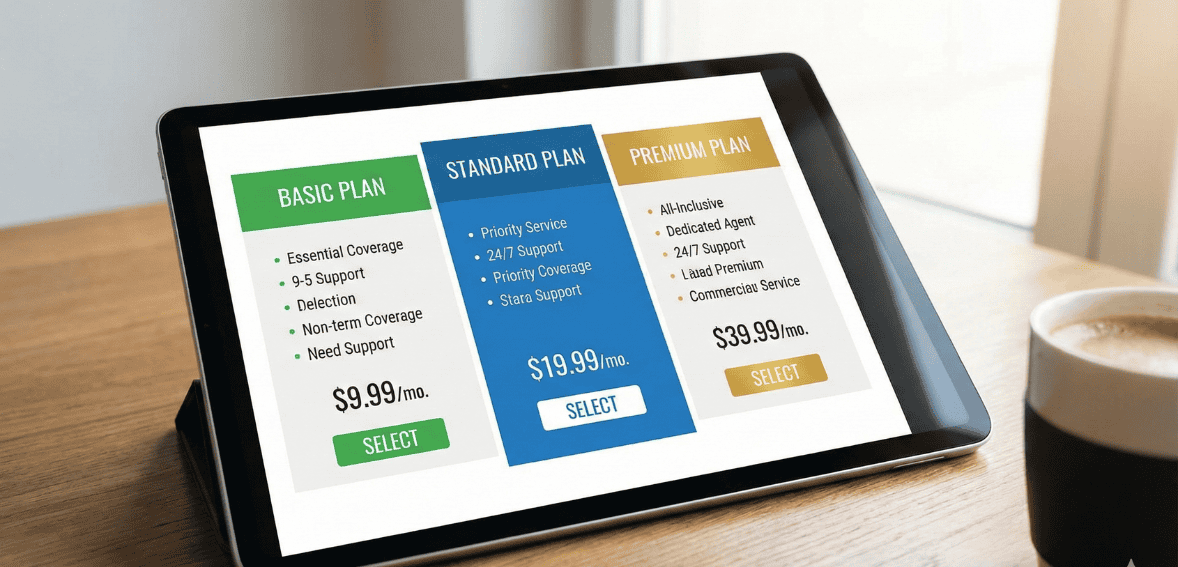
To successfully leverage maintenance contracts for recurring revenue, businesses must structure service agreements that balance value and profitability. A maintenance plan should be attractive enough for customers to say yes easily while still supporting strong margins for the business. The best contracts are simple, transparent, and clearly communicate benefits and expectations.
Many businesses design contract tiers for entry-level basic maintenance, mid-level plans offering additional benefits, and premium packages with priority service and emergency coverage. Tiered options appeal to different customer needs and budgets. A basic plan may include seasonal inspections and cleaning, while a premium plan might include priority scheduling, labor discounts, or additional checkups. By offering choices rather than a single option, businesses increase the likelihood of enrollment without pressuring customers.
Pricing must reflect actual costs, including labor time, travel, and any included parts. A common strategy is to structure pricing so the maintenance visit alone justifies the contract, making any extra perks feel like added value. Customers should feel that joining a plan will save money over time rather than costing more. When explained through clear, simple language, maintenance contracts seem like a wise decision rather than an upsell.
Equally important is clarity about what is and is omitted. When businesses outline boundaries such as coverage limitations and separate charges for major repairs they prevent misunderstandings that could damage trust. The cleaner the agreement, the more confident the customer becomes.
Using Field Service Technology to Manage Recurring Contracts Smoothly

Maintenance contracts succeed only when they are executed consistently. If businesses rely on paper calendars or loose spreadsheets to track visit schedules, billing cycles, and upcoming appointments, things inevitably get missed. A forgotten visit or overdue follow-up can damage credibility and lead customers to question the value of the contract.
This is where digital field service management technology becomes essential. Automated scheduling tools generate recurring work orders on predefined intervals, eliminating manual tracking. Auto-billing ensures payments occur on time and without administrative burden. Centralized customer profiles make it easy for technicians to see maintenance history, recommended future work, and system details without searching through disconnected notes.
With digital tools, dispatch can plan routes more efficiently for recurring maintenance schedules, reducing travel time and operational costs. Notifications and reminders keep customers informed before and after visits, reinforcing professionalism and reliability. The result is a seamless experience where maintenance plans run like clockwork.
Advanced systems also track contract profitability measuring labor, cost, and revenue per agreement allowing businesses to adjust pricing, plan staffing, and improve service offerings based on real data. This transforms contract management from guesswork into an intelligent strategy.
Driving Customer Loyalty and High Renewal Rates
Recurring revenue is only substantial when customers renew their agreements year after year. Successful maintenance contract programs focus heavily on consistency, customer experience, and trust-building. Every visit becomes an opportunity to reinforce the value of the service not by selling aggressively, but by educating and demonstrating care.
When technicians demonstrate professionalism, explain what they inspected or serviced, and share helpful insights into how equipment performance affects long-term costs or safety, customers feel they are truly receiving value. This emotional connection drives renewals more than any marketing message ever could.
Renewal success also improves when businesses communicate clearly throughout the year not only during service appointments. Reminders, system update messages, seasonal tips, and personalized check-ins help customers feel supported rather than forgotten. Renewal discussions should never happen at the last minute. Instead, they become a natural extension of an ongoing, trusted relationship.
A strong maintenance contract culture sets the expectation that the company is a partner in maintaining performance and safety, not a provider waiting to profit from breakdowns. When this mindset becomes clear through every interaction, renewal rates rise significantly, and recurring revenue stabilizes.
Unlocking Additional Revenue Through Maintenance Visit Upselling

One of the most potent advantages of leveraging maintenance contracts for recurring revenue in your service business is the natural opportunity they create for additional sales during routine visits. Unlike emergency repair calls where the customer is stressed, frustrated, and focused solely on resolving a crisis, scheduled maintenance appointments provide a calm environment for meaningful conversations about options, upgrades, and improvements. When a technician is already present, already trusted, and already engaged with the customer, the likelihood of upselling increases significantly without feeling pushy or transactional.
Maintenance visits allow technicians to observe gradual wear, identify aging components, or explain how upgrading equipment could improve efficiency or reduce long-term cost. Because the customer sees value in preventative care, they are more open to recommendations, particularly when they come from someone who has repeatedly proven their reliability. This dynamic transforms technicians into advisors partners in protecting a customer’s investment, not just problem solvers. And when upselling is based on real needs rather than aggressive tactics, outcomes benefit both parties.
Recurring maintenance customers are also more loyal and tend to perceive additional services not as unexpected expenses but as smart planning decisions that prevent future headaches. This psychological shift has a real financial impact: customers on maintenance plans spend more over time, stay longer, and become reliable sources of recurring and supplemental revenue. Businesses that train technicians in communication, education, and value-based recommendations find that maintenance contracts generate a steady pipeline of profitable work while naturally strengthening relationships.
Improving Operational Efficiency with Predictable Scheduling
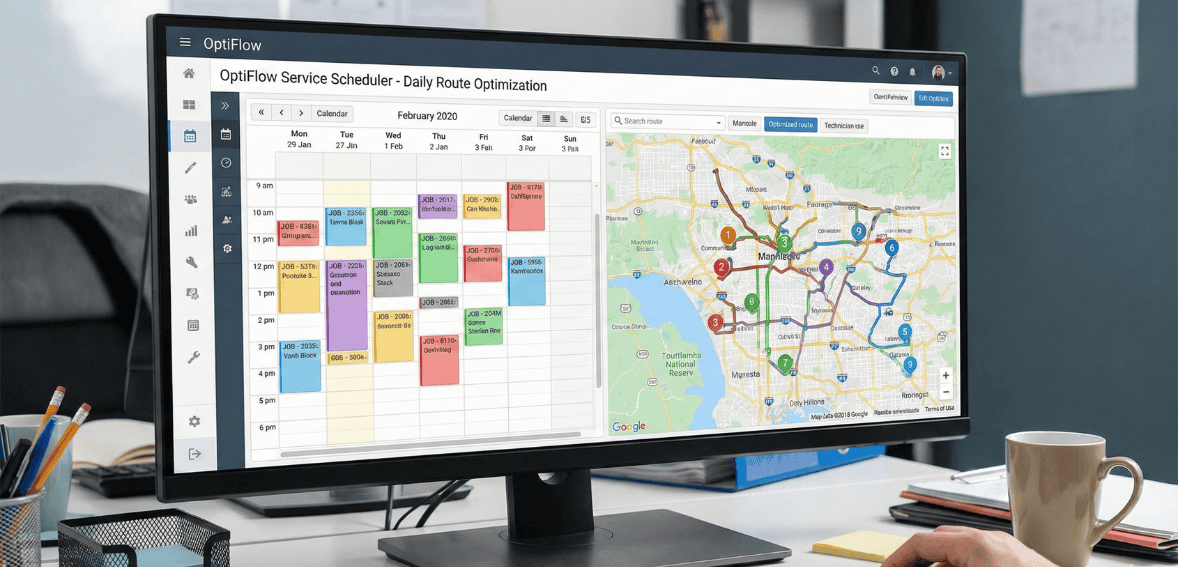
Recurring maintenance contracts don’t just drive revenue; they dramatically improve operational efficiency. When the majority of scheduled work is predictable rather than reactive, the entire business becomes more organized and profitable. Dispatch teams can plan routes more efficiently, reducing travel time. Workloads can be balanced evenly across the week or month, avoiding technician idle time and burnout. Inventory requirements become easier to forecast, since recurring visits typically involve known parts and routine supplies.
Predictability also allows companies to optimize staffing. Without maintenance contracts, emergency call spikes may require extra technicians temporarily or force expensive overtime. With steady recurring schedules, businesses can forecast labor needs more accurately and maintain firm productivity without chaos. The transition from unpredictable to structured work is one of the most transformative aspects of recurring contracts.
Additionally, preventive visits reduce equipment failures and emergency demands, ultimately improving overall service quality. When technicians are not overloaded with last-minute crisis calls, they are more focused and more effective. Customer experiences improve, and operational stress decreases. A smooth workflow enables growth businesses with stable recurring schedules can confidently scale while maintaining service consistency.
Strengthening Customer Experience and Building Trust

Recurring maintenance contracts deepen customer trust more effectively than any marketing campaign. When the same technician or team consistently interacts with a customer, a relationship naturally forms. Instead of calling a stranger during a crisis, the customer knows exactly who is coming, why they are coming, and what level of service to expect. Familiarity becomes loyalty, and loyalty becomes retention.
This personal connection also allows technicians to better understand the customer’s history, preferences, and equipment behavior. When a customer feels known and understood, they are more likely to stay and more willing to invest in long-term service. Maintenance plans demonstrate that the business is proactive about preventing problems, not waiting to profit from expensive emergencies. That ethical foundation generates trust and respect, which is priceless in service-based industries.
Maintaining communication between visits also reinforces confidence. Sending seasonal reminders, personalized recommendations, or friendly updates makes customers feel cared for rather than forgotten. The emotional impact is powerful: customers feel valued, appreciated, and supported. Companies that master this level of relational service rarely lose customers to competitors.
Scaling a Service Business Through Recurring Revenue
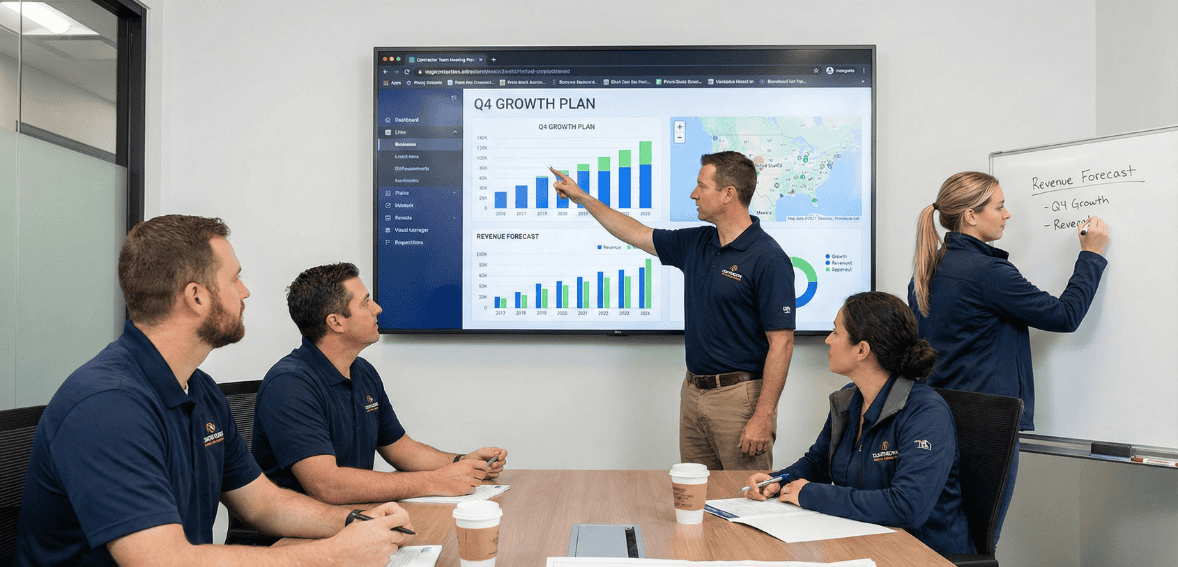
Recurring revenue creates a scalable foundation for long-term growth. When a business relies on unpredictable, reactive income, expansion becomes risky. Hiring additional staff, investing in equipment, or opening new service areas becomes difficult without revenue certainty. Maintenance contract programs solve this by guaranteeing predictable monthly or annual income. When a company knows how much revenue is coming in, regardless of new jobs, long-term planning becomes possible.
This stability helps secure financing, support expansion, and invest confidently in growth strategies such as marketing, technology adoption, or technician training. Maintenance contracts reduce dependency on seasonal rushes and soften slow periods. They shift the focus from chasing new customers to deepening value with existing ones. A business built on recurring revenue is far more resilient in economic downturns, competitive markets, and unpredictable seasons.
Ultimately, leveraging maintenance contracts for recurring revenue is a transition from transactional business thinking to a subscription-based service model, a model widely proven in modern industries. Subscription Recurring Revenue models are successful because they prioritize long-term relationships, reliability, steady investment, and strategic growth instead of short-term wins.
Conclusion
Maintenance contracts transform service companies from reactive, unpredictable operations into stable, scalable, customer-focused businesses. By creating recurring revenue streams, businesses gain financial predictability, stronger customer loyalty, and more opportunities to grow revenue through meaningful upselling rather than pressure-driven sales. Recurring service programs enhance operational efficiency, increase technician productivity, and strengthen relationships through regular contact and proactive care.
Using maintenance contracts for recurring revenue also builds long-term trust and reputation. Instead of customers only reaching out when systems fail, they interact regularly through planned service that protects their investment, improves safety, and reduces the risk of surprise breakdowns. In return, businesses benefit from higher retention, greater profitability, and a healthier, more sustainable business model.
For any service business looking to stabilize operations, support growth, and improve profitability, adopting a structured maintenance contract program is one of the most strategic decisions available. Recurring revenue isn’t just a financial advantage, it is the foundation of a more predictable, efficient, and customer-centered future.
FAQs
What types of service businesses benefit most from maintenance contracts?
Any business that performs recurring or preventive services can benefit, including HVAC, plumbing, electrical, landscaping, appliance repair, pest control, and maintenance trades. If equipment requires routine checks, a contract model supports long-term revenue and stronger customer relationships.
How do maintenance contracts increase recurring revenue?
They create guaranteed scheduled income rather than relying on emergency requests. In addition, routine visits uncover opportunities for additional work or upgrades, increasing average revenue per customer while strengthening loyalty.
Are customers willing to pay for maintenance agreements?
Yes, most customers prefer predictable care and peace of mind instead of expensive emergency repairs. When value is clearly explained, and visits show real benefit, customers view maintenance contracts as a wise, cost-saving investment.
How can a business price a profitable maintenance contract?
Contract pricing should reflect service frequency, labor time, and included materials. Many businesses offer tiered options so customers can choose based on needs and budget. The price should save customers money over time while supporting strong margins.
How do maintenance contracts improve technician efficiency?
Predictable scheduling allows for better routing, reduced drive time, smoother workload distribution, and lower emergency pressure. As a result, technicians perform better work, provide better customer experiences, and maintain healthier productivity levels.