

Marketing 101 for Field Service Businesses: How to Get More Jobs and Customers
Marketing 101 for field service management businesses is no longer just about passing out flyers, hoping for referrals, or waiting for the phone to ring. Today’s service industry whether plumbing, HVAC, electrical, landscaping, appliance repair, or any other trade is shaped by customers who live primarily online and expect fast communication, visible proof of credibility, and seamless experiences from the moment they search for a service to the moment they pay the invoice. The challenge is clear: field service businesses can excel at technical work, but without a deliberate marketing strategy, they struggle to keep schedules full and build recurring revenue. Marketing is not an optional expense. It is the engine that brings in jobs, nurtures customer trust, and fuels long-term growth.
For many contractors, marketing feels confusing or overwhelming, especially with so many platforms and opinions. But the truth is that effective marketing does not mean spending thousands of dollars on advertising. It means showing up where customers look, communicating clearly, building trust through real results, and creating a system that keeps past customers returning. When done correctly, marketing turns a field service business from a cycle of unpredictable job volume into a well-oiled machine with consistent bookings, strong referral pipelines, and increased profitability. In this guide, we’ll break down how modern field service businesses can find more customers, increase lead conversion rates, and grow sustainably through practical, highly effective strategies.
Building a Strong Online Presence: Where Customers Go First
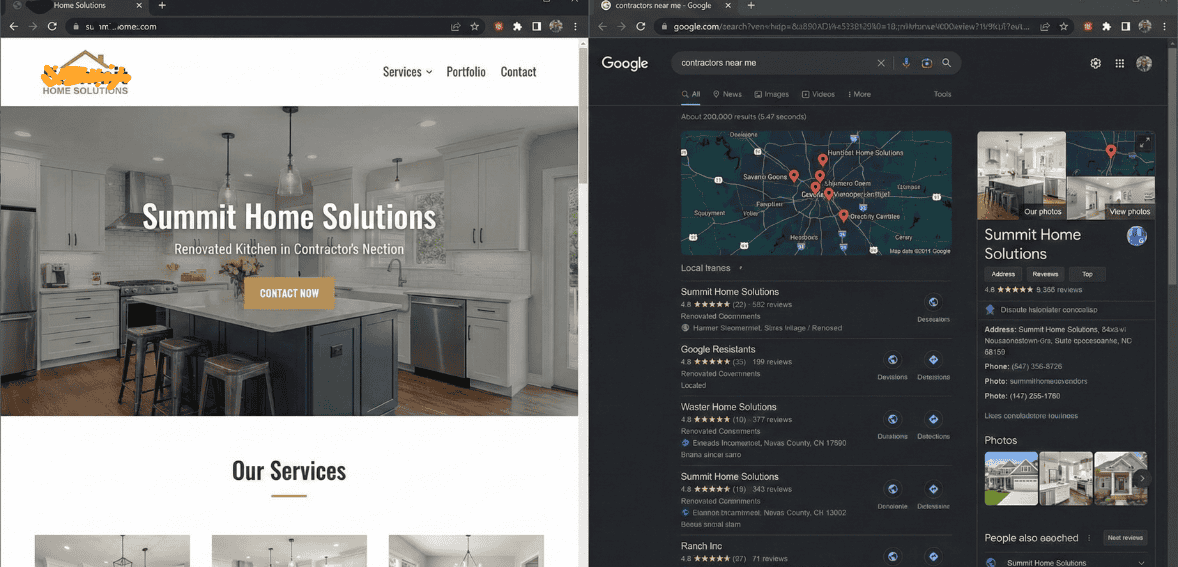
One of the biggest changes in recent years is how homeowners and businesses seek service providers. Instead of browsing phone books or walking into physical offices, they go straight to Google and search phrases like “plumber near me,” “AC repair emergency,” or “best electrician in my area.” They skim reviews, look through photos of previous work, check response times, view ratings, and compare service details before they ever pick up the phone. This means that without a strong online presence, even the most skilled contractor becomes invisible.
A professional website is the foundation of field service marketing today. It does not need to be elaborate, but it must look trustworthy, function smoothly on mobile devices, showcase services clearly, display genuine reviews, and offer an easy way to contact the business or request service. Many customers will judge credibility within seconds of landing on a site if it looks outdated, unprofessional, or difficult to navigate, they may leave immediately. Including real photos of technicians, vehicles, and completed projects helps build authenticity and makes the company feel human rather than generic.
Local SEO is just as important. Optimizing a Google Business Profile ensures that a field service business appears in local map results, which often drive the highest-quality leads. Simple steps like updating business hours, posting photos regularly, collecting reviews, and writing short updates about recent work all influence how often a listing is shown. The businesses that consistently rank well are generally the ones that stay active online, not the ones who set up a listing once and forget about it. Engaging with reviews, both positive and negative, demonstrates professionalism and responsiveness, which customers highly value.
The Power of Online Reviews and Social Proof

Whether someone is choosing an HVAC company for a central installation or calling for emergency plumbing help at midnight, they rely heavily on reviews as a decision filter. Even a single unanswered negative review can lead potential customers to move on. On the other hand, a steady stream of positive reviews works like a digital referral network that operates around the clock.
Encouraging reviews must be built into the post-service process. Asking directly at the end of a successful job, sending a quick thank-you text with a review link, or having technicians trained to request feedback can dramatically increase review volume. Most customers are willing to need a prompt. Responding to reviews, especially critical ones, with professionalism also shows that the business cares and takes accountability. Customers don’t expect perfection; they expect respect, transparency, and effort to solve problems.
Social media also plays a role in showcasing credibility. Social media platforms may not seem essential to technical trades, but they are powerful tools for demonstrating expertise and behind-the-scenes authenticity. Sharing before-and-after project photos, safety tips, how-to maintenance guidance, or team introductions builds familiarity and acts as proof of real work and real people behind the brand. People tend to buy from names they recognize, and social media creates that repeated relationship without constant selling.
Offline and Community Based Marketing Still Matters
Growing a home service business has never been more exciting or challenging. Demand for trades and field services continues to rise, but so do fuel expenses, materials costs, labor shortages, and customer expectations. The companies scaling successfully in 2025 aren’t simply working harder. They are operating smarter using tools, systems, and customer-focused strategies to expand without losing control.
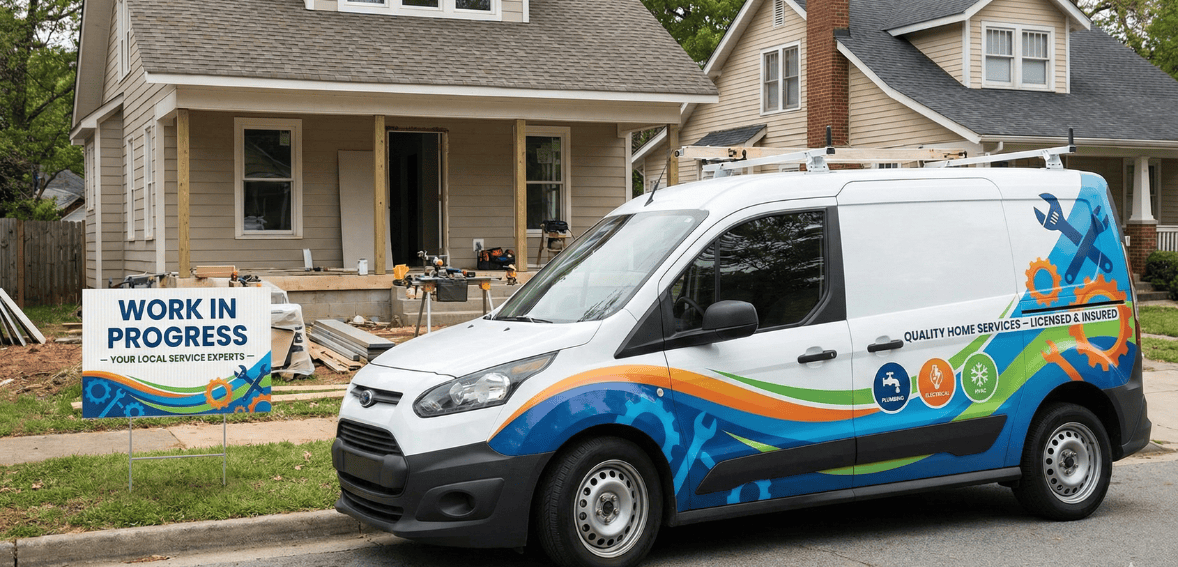
While online marketing is essential, traditional offline methods continue to produce excellent results when done intentionally. Service vehicles are moving billboards, and clean branding with a clear message, website link, and phone number can generate calls simply by being on the road. Neighborhood signs after completed projects, printed door hangers, and participation in local community events help reinforce brand presence where customers live and gather. Many service businesses overlook these grassroots approaches, yet they remain among the highest-return strategies.
Partnerships are also powerful. Building relationships with real estate agents, property managers, insurance restoration firms, or home improvement stores creates a steady source of referrals. These professionals regularly interact with homeowners who need reliable service providers they can recommend confidently. A referral relationship built on trust and professionalism can sustain a business even in slower seasons.
Community involvement such as sponsorships, charity event participation, or educational workshops adds a layer of brand loyalty that cannot be replicated with pure advertising. Customers prefer businesses that demonstrate values and care for the community. Showing up offline builds emotional connection, which often translates to long-term loyalty.
Leveraging Customer Retention and Referral Marketing

Many field service companies spend most of their marketing energy acquiring new customers while completely overlooking the goldmine they already have existing clients. It costs significantly more to acquire a new customer than it does to retain a current one. Repeat customers typically purchase more, refer more, and require less persuasion because trust has already been established. Yet too often, once a job is done, communication stops until the customer desperately needs help again or worse, calls a competitor.
A proactive retention strategy changes everything. Staying in touch through seasonal reminders, educational tips, service plan offers, and personalized follow-ups shows customers that the business cares beyond the transaction. Setting up a simple referral program, whether through discounts, thank-you gifts, or loyalty rewards, encourages satisfied clients to advocate for the brand openly. Most people are already inclined to help family or friends looking for a reliable service provider. Sometimes they need a structured incentive.
Regular follow-ups also help prevent customer losses during slow periods or when competitors come knocking. Even a quarterly email or text newsletter keeps the business top of mind. When the next need arises whether an AC tune-up, a plumbing emergency, or an electrical upgrade the relationship is already strong, and the customer knows exactly who to call.
Innovative Advertising and Paid Lead Strategies Done the Right Way
While organic marketing builds long-term strength, paid advertising can provide a quick boost in leads when a field service company needs to fill the schedule or expand into new service areas. However, many contractors spend money on paid ads without a plan, then conclude that marketing “doesn’t work.” The truth is, paid advertising can be incredibly effective, but only when used strategically, with a clear target audience, proper tracking, and realistic expectations.
Local paid advertising such as Google search ads is compelling because it reaches people at the exact moment they need help. When someone searches for emergency plumbing at 11 PM or furnace repair during a snowstorm, they are not browsing casually; they are ready to act. Showing up at that moment with a compelling ad message, a visible phone number, and proof of credibility can convert a lead instantly. But the ad must match what customers want: fast service, trust, transparency, and convenience.
Where many service businesses go wrong is focusing solely on traffic rather than conversions. A large number of clicks means nothing if customers do not call or submit a form. Ads should clearly state what sets the business apart: 24/7 service, licensed technicians, same-day appointments, upfront pricing, or guaranteed arrival windows. Pairing ads with call-tracking numbers helps identify which campaigns actually drive paying customers. With this data, a business can confidently invest more in what works and stop spending on what doesn’t.
There is also a difference between short-term lead buying and long-term brand building. Lead marketplaces can be helpful when starting or filling gaps, but relying solely on them keeps a business dependent and forces it to compete aggressively for each job. The goal should be to gradually shift from paid leads toward owned sources, referrals, reviews, website traffic, and repeat customers. Paid ads should be a tool, not a crutch.
Using Content and Education to Become the Trusted Expert

One of the most underrated marketing strategies for field service businesses is educational content. Homeowners and commercial property managers constantly search for answers to everyday problems: how to prevent furnace breakdowns, how to tell if a water heater is failing, why lights flicker, how often to clean dryer vents, or whether a maintenance plan is worth it. When a field service company provides helpful guidance through blogs, short videos, or emails, they establish themselves as knowledgeable and trustworthy long before a customer needs service.
This approach has two huge benefits. First, it positions the business as the expert, which builds confidence. People are far more likely to hire a company they view as authoritative than one they know nothing about. Second, educational content attracts motivated customers who are already thinking about the service and preparing to act. A single well-written guide or video can generate leads for months or years, quietly working in the background while the business focuses on operations.
Content does not need to be complicated. It can be simple posts answering real customer questions, behind-the-scenes clips showing technicians solving problems, seasonal reminders, or checklists to help homeowners maintain equipment. Sharing stories from real jobs like a home saved from water damage because a customer acted early also demonstrates value in a relatable way. People connect with stories more than sales pitches.
Over time, creating educational content builds reputation, improves search rankings, and reinforces customer loyalty. Instead of aggressively selling services, the business becomes the guide customers trust. That shift is crucial: customers who trust their service provider rarely shop around when they call.
Tracking Marketing Performance and Making Data Driven Decisions

One of the most essential realities for field service marketing is that guessing or relying on intuition is no longer enough. To grow consistently and avoid waste, businesses need to measure their marketing performance. Understanding what works and what doesn’t allows decisions based on objective evidence rather than assumptions or habits. Even small service businesses can manage this easily with basic tracking systems.
Every job intake process should include one essential question: How did you hear about us? Whether the answer is Google search, a referral, a vehicle, social media, or an ad, recording it creates a clear picture of which marketing channels truly drive revenue. Over time, patterns become visible. 50% of jobs come from Google searches and 30% referrals. That data alone can reshape entirely where a business invests its time and resources.
Tracking conversion rates also matters. If a business receives 20 leads but only books five jobs, the opportunity lies not in generating more leads but in improving communication, response time, or service presentation. A lot of marketing waste happens not because of poor advertising, but because businesses fail to follow up quickly or convincingly. Customers often choose the company that responds first, explains clearly, and sounds trustworthy.
Measuring customer lifetime value the total value a customer brings over the years, rather than just a single job also changes the marketing perspective. A customer who signs up for maintenance contracts or renews yearly services is far more valuable than a one-time emergency call. When marketing is measured this way, strategies naturally shift toward retention and relationship building.
Data turns marketing from guesswork into growth. When a business understands its numbers, it can make smart, confident decisions that amplify results without overspending.
Conclusion: Marketing Is a Long Term Investment, Not a One Time Task
Field service marketing is not about flashy ads, complicated strategies, or aggressive sales. It is about showing up consistently, proving reliability, communicating clearly, and earning trust through honest service and genuine relationships. When a business masters both online and offline presence, harnesses the power of customer loyalty, leverages innovative technology, and measures what matters, growth becomes predictable rather than accidental.
Marketing is not something you check off a list. It is a continuous cycle of visibility, service, connection, and improvement. The companies that succeed year after year are the ones that stay adaptable, learn from real data, and prioritize the customer experience as their most valuable marketing asset. With the right strategy, any field service business large or small can build a steady pipeline of clients, establish a strong reputation, and create a brand customers trust without hesitation.
Frequently Asked Questions
How can a field service business attract more customers without spending a lot on ads?
Focus on strengthening online presence and encouraging referrals. Improving your website, collecting reviews regularly, and maintaining visibility on Google Business can generate high-quality leads organically. Staying engaged with past customers is often more cost-effective than buying new leads.
What is the most effective marketing strategy for field service companies today?
A potent combination of local SEO, customer reviews, and fast response communication typically delivers the highest return. Customers judge technicians by reliability and trust, so being visible, responsive, and well-reviewed is essential.
How critical are reviews for winning new customers?
Extremely important. Many consumers will not hire a service company that lacks reviews or shows concerning feedback. Positive reviews act as social proof and strongly influence buying decisions, especially in urgent service situations.
Do field service businesses really need social media?
Yes because it builds familiarity and trust. Real photos, helpful tips, and stories humanize a brand and keep it top of mind. Social media is simply another place customers check before deciding who they trust with their home or property.
How is my marketing working?
Track where leads come from, measure how many converts to jobs, and analyze repeat vs. new customer ratios. If results improve month over month more calls, higher booking rates, stronger retention your marketing is effective. If not, adjust the strategy rather than abandoning marketing entirely.