
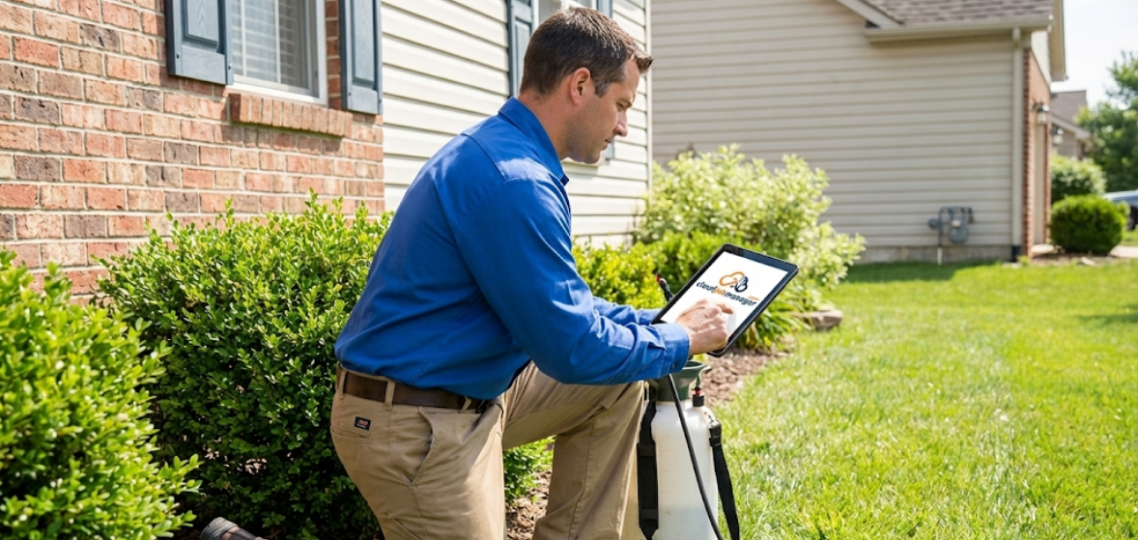
Pest Control Precision: Scheduling Recurring Services and Improving Customer Retention
Running a pest control business is not just about eliminating pests. It’s consistency, timing and trust. Customers rely on pest control providers to protect their homes and businesses after initial treatment. Missed appointments, inconsistent follow-ups, or poorly timed visits quickly erode confidence. That’s why modern pest control operations depend on structured scheduling systems and recurring service models to maintain reliability and retention.
Pest control software and field service software helps enable this shift. With recurring service scheduling, automated reminders, and organized customer data, businesses can deliver predictable service. This also reduces operational stress. When scheduling precision meets customer-centric service agreements, the result is stronger relationships, higher retention, and more stable revenue.
This article explores how pest control companies can use recurring service scheduling to improve efficiency and customer loyalty. To set the stage, we’ll examine why consistency is crucial, how recurring models foster loyalty, and the key role technology plays in keeping operations organised while maintaining a personal service touch.
Why Precision Scheduling Matters in Pest Control Operations
Pest control is a time-sensitive service. Treatments often depend on seasonal patterns, pest life cycles, and environmental conditions. A delay of even a few weeks can reduce effectiveness. This allows infestations to return. When scheduling lacks precision, technicians may arrive too late, too early, or not at all. These issues damage trust and increase callbacks.
Precise scheduling ensures each service visit happens at the optimal time. For quarterly, bi-monthly, or monthly treatments, accuracy keeps infestations under control. It reduces emergency calls. From an operational standpoint, precise scheduling also improves technician productivity. When routes are planned and appointments are evenly distributed, technicians spend less time driving and more time performing billable work.
Pest control software supports this precision by replacing manual calendars and memory-based scheduling with structured systems. Recurring service scheduling ensures no customer is forgotten, even as the business grows. Instead of relying on office staff to remember when each client is due, the system automatically manages timing, reducing human error and administrative burden.
That’s why so many pest control teams are moving toward more structured planning tools, especially pest control scheduling software. Good scheduling practices help ensure technicians stay close to their next stop, recurring visits never get missed, and urgent calls can be handled without derailing the entire day.
The Role of Recurring Service Scheduling in Pest Control Success
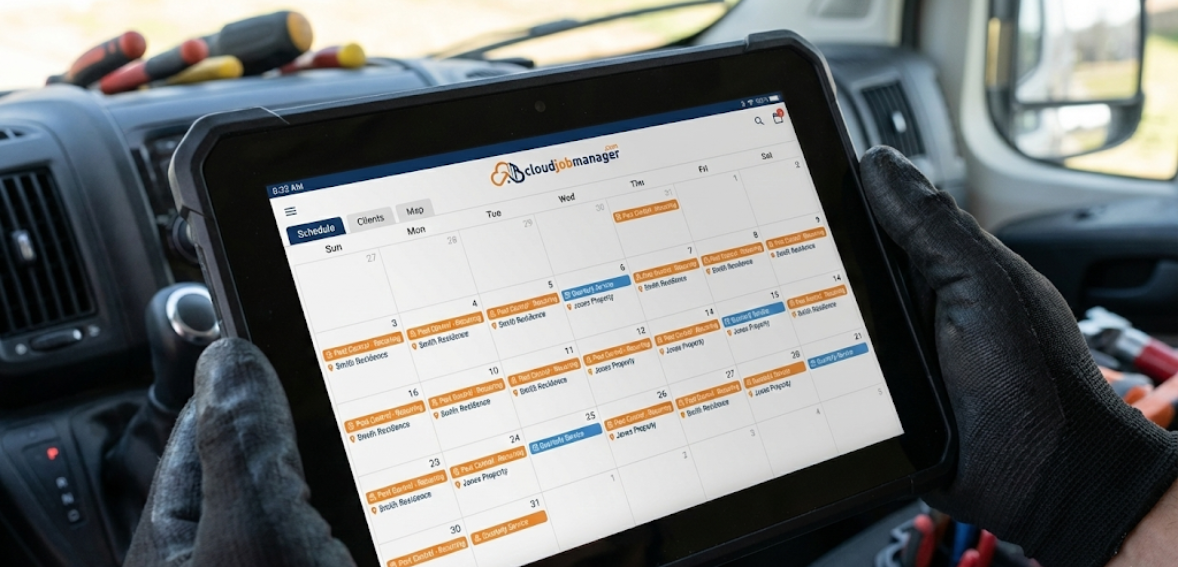
Recurring service scheduling is the backbone of long-term pest control relationships. Unlike one-time treatments, recurring services recognize that pest prevention is an ongoing process. Customers who enrol in service agreements receive regular treatments that prevent reinfestation, while businesses gain predictable workloads and recurring revenue.
When recurring services are scheduled manually, errors are common. Appointments may overlap, visits may be skipped, or customers may be contacted too late. Pest control software eliminates these issues by automatically generating future work orders. It uses predefined service intervals. Whether a customer needs monthly mosquito control or quarterly termite inspections, the schedule remains consistent. This happens without constant manual input.
Reliable and consistent scheduling reassures customers and builds trust, both of which are essential for strong customer retention. The takeaway: A predictable routine is foundational to long-term customer relationships.
Building Reliable Service Agreements That Customers Trust
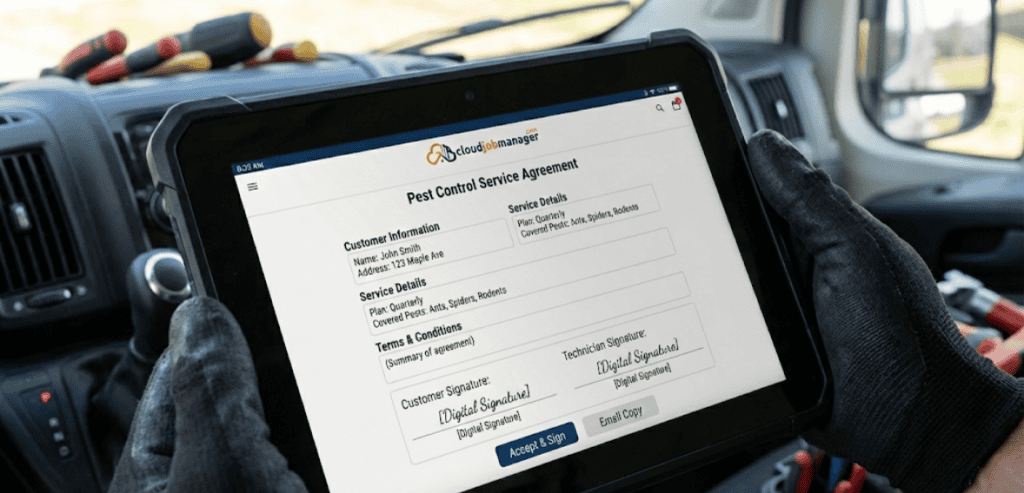
Service agreements transform pest control from a reactive service into a proactive partnership. Instead of waiting for infestations to occur, customers commit to ongoing prevention. However, the success of these agreements depends heavily on execution. A well-designed service agreement means little if visits are missed or poorly communicated.
Pest control CRM systems help manage service agreements. They centralise customer data, treatment history, and contract terms. This ensures technicians arrive informed and prepared, and office staff can easily track active agreements. When agreements are supported by reliable scheduling, customers have fewer disruptions and greater peace of mind.
Automated reminders are key here. Customers appreciate advance notice of upcoming visits, especially when treatments involve entering homes or yards. Automated reminders reduce missed appointments and last-minute cancellations. They reinforce the perception of professionalism and care. Over time, these small operational details significantly improve customer satisfaction and retention.
How Automated Reminders Strengthen Customer Relationships
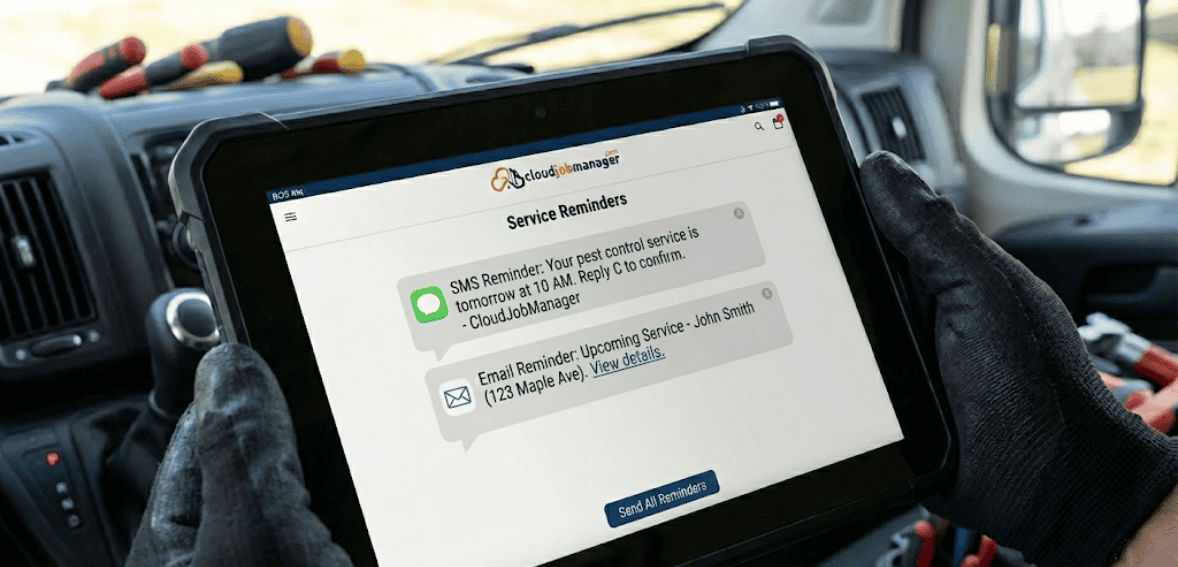
Automated reminders are not just operational tools; they build relationships. In pest control, communication gaps often lead to frustration. Customers may forget appointments, feel surprised by technician arrivals, or assume service was skipped. Automated reminders address these issues proactively.
By sending notifications before scheduled visits, pest control businesses give customers time to prepare or ask questions. This reduces friction and shows respect for the customer’s time. Reminders also reassure customers that their service agreement is active. This reinforces trust.
From a business perspective, automated reminders reduce no-shows and wasted trips. When customers can easily confirm or reschedule appointments, schedules stay full and efficient. Pest control software integrates reminders directly into recurring service scheduling, ensuring consistent communication without adding to the office staff’s workload.
Using Pest Control CRM Systems to Personalise Service
Personalisation is a powerful retention strategy in pest control. Customers want to feel known, not treated like another address on a route. Pest control CRM systems enable this by storing detailed customer profiles that include property characteristics, pest history, and service preferences.
When technicians have access to this information, service quality improves. They can tailor treatments based on past issues, note condition changes, and communicate more effectively with customers. This attention builds confidence and loyalty over time.
CRM systems also support retention by making follow-ups seamless. If a customer reports an issue between scheduled visits, the history is already documented, enabling quick, informed responses. This responsiveness strengthens relationships and reduces the likelihood that customers will seek alternative providers.
Optimising Routes and Recurring Schedules for Operational Efficiency
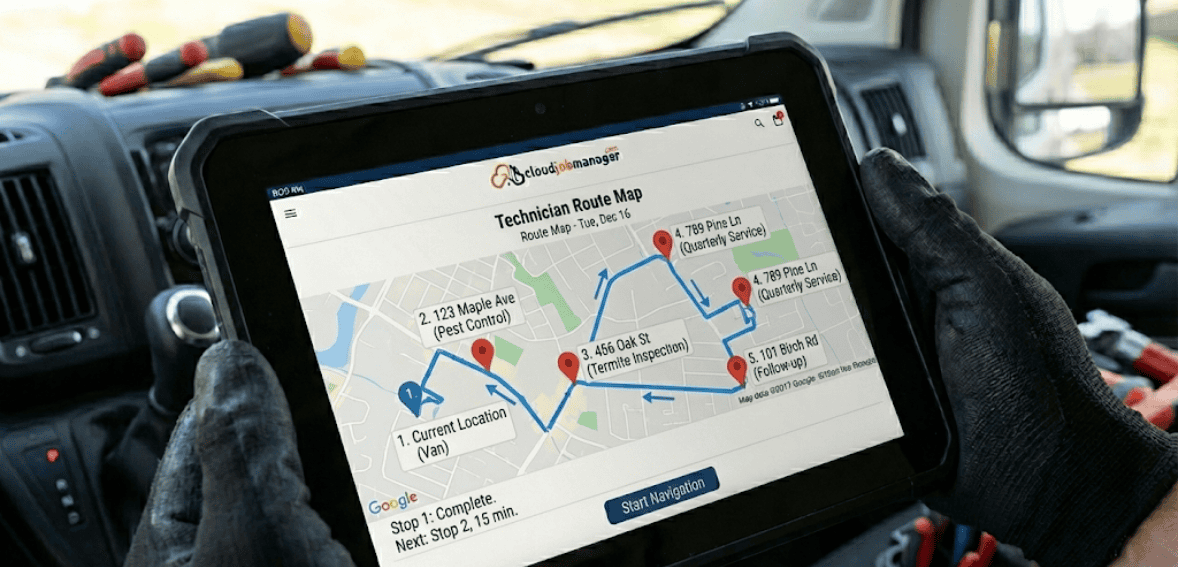
As a pest control business grows, scheduling alone is not enough. The way recurring services are grouped and routed directly affects profitability, technician morale, and customer satisfaction. Poorly planned routes lead to wasted fuel, rushed treatments, and late arrivals, all of which quietly damage retention.
Modern pest control software allows recurring service scheduling to work hand in hand with route optimisation. Instead of scheduling visits in isolation, the system clusters recurring appointments by geography and service type. This means technicians spend less time driving and more time performing quality treatments. Over time, this efficiency allows businesses to handle more recurring accounts without increasing staff.
Customers benefit as well. When routes are optimised, appointment windows become more accurate. Fewer delays mean fewer complaints, and consistent on-time arrivals reinforce reliability. When customers feel that a company respects their time, they are far more likely to renew service agreements year after year.
Preventing Customer Churn Through Proactive Retention Strategies
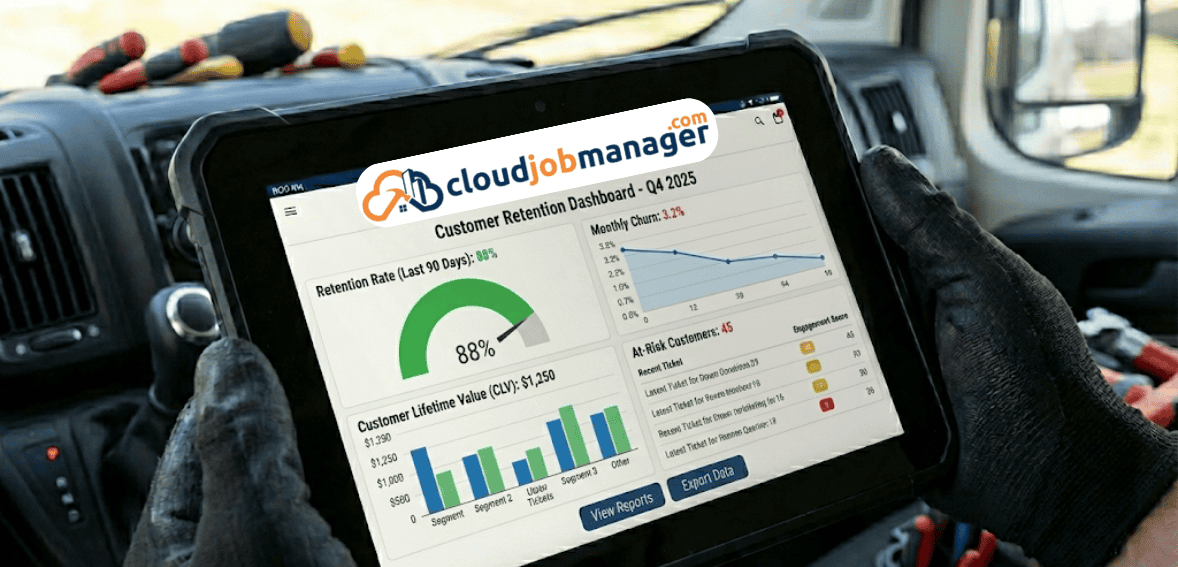
Customer retention in pest control is rarely lost in a moment. It erodes slowly through small frustrations: missed visits, poor communication, inconsistent technicians, or a feeling of being forgotten. The most successful pest control businesses focus on preventing churn before customers ever consider leaving.
Recurring service scheduling provides a foundation for proactive retention. When customers receive consistent service at predictable intervals, trust builds naturally. But retention improves further when businesses use customer data intelligently. CRM systems allow companies to track missed appointments, complaint frequency, and service gaps, early warning signs that a customer may be dissatisfied.
Proactive follow-ups are especially effective. A quick check-in after a seasonal treatment or a follow-up message after a reported issue shows attentiveness. These actions don’t feel automated when done thoughtfully; they feel like genuine care. When customers believe their provider is paying attention, they are far less likely to cancel, even if competitors offer lower prices.
Measuring Retention Success in Recurring Pest Control Services
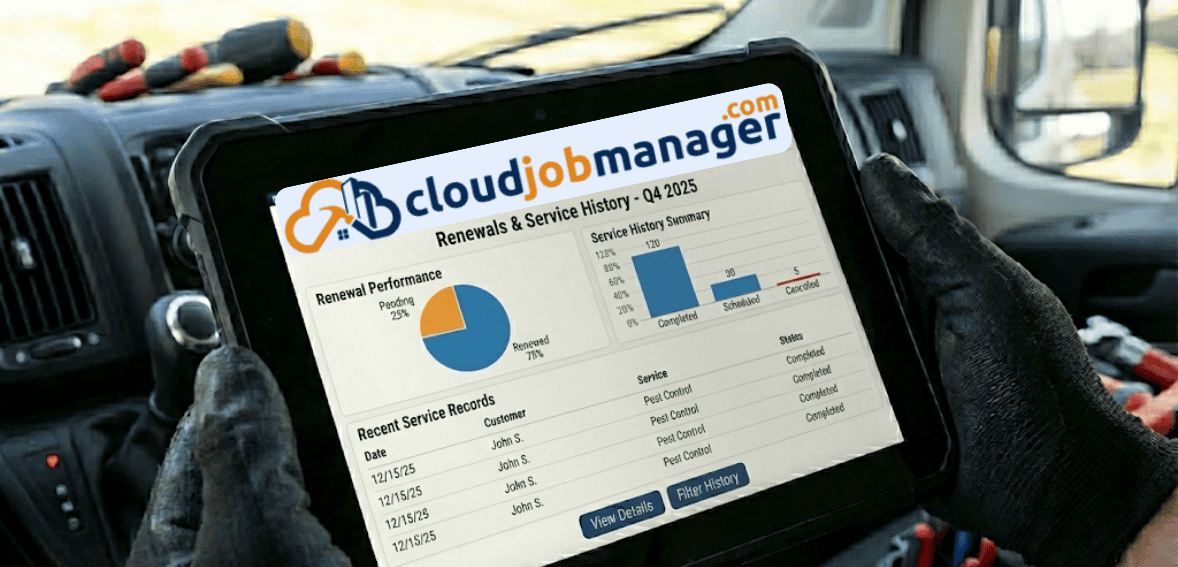
Retention should never be assumed; it should be measured. Pest control software enables tracking how long customers remain on service agreements, how often they renew, and where cancellations occur. These insights help businesses refine both scheduling and service delivery.
By reviewing renewal rates alongside service consistency, patterns begin to emerge. For example, customers with uninterrupted recurring schedules tend to remain longer than those who experience missed or rescheduled visits. Similarly, customers who receive clear reminders and follow-ups are more likely to renew agreements without hesitation.
Understanding these patterns allows pest control companies to improve strategically. Instead of guessing why customers leave, managers can identify operational gaps and fix them early. Over time, this data-driven approach transforms retention from a reactive effort into a predictable outcome.
Balancing Automation with the Human Side of Pest Control

Automation is powerful, but pest control remains a people-driven service. Customers don’t just want pests gone; they want reassurance, explanations, and trust. The key to long-term success is using automation to support, not replace, human service.
Automated scheduling, reminders, and record-keeping free technicians and office staff from repetitive tasks. This extra time can be invested in better communication, thorough inspections, and customer education. When technicians aren’t rushed by inefficient schedules, they can explain treatments clearly and address concerns with patience.
Customers notice this difference. They feel heard, respected, and valued. Automation handles the background work, while human interaction remains front and centre. This is what separates high-retention pest control businesses from those constantly chasing new customers to replace lost ones.
Creating Long-Term Stability with Maintenance Contracts
Maintenance contracts are not just revenue tools; they are stability tools. Recurring service agreements smooth out seasonal fluctuations and reduce reliance on one-time emergency calls. Pest control software helps manage these contracts by ensuring services are delivered exactly as promised.
When maintenance contracts are supported by precise scheduling and clear communication, customers feel confident committing to the long term. They see consistent results, predictable visits, and fewer surprise infestations. Over time, these customers become loyal advocates, recommending services to neighbours and colleagues. This stability enables better planning. Staffing, inventory, and route planning become more predictable, reducing stress and improving service quality across the board.
The Future of Pest Control: Precision, Trust, and Retention
The future of pest control belongs to businesses that combine operational precision with strong customer relationships. Recurring service scheduling, automated reminders, and CRM tools are no longer optional; they are foundational to sustainable growth.
However, technology alone is not the answer. Success comes from using these tools thoughtfully, with the customer experience always in mind. When scheduling is reliable, communication is clear, and service is consistent, retention becomes a natural outcome rather than a constant challenge.
Pest control precision is ultimately about trust. When customers trust that their provider will show up on time, communicate clearly, and protect their property year-round, they stay. And when they stay, businesses grow stronger, steadier, and more resilient.
Conclusion
Recurring service scheduling is the cornerstone of a successful pest control business. It ensures consistency, supports technician efficiency, and builds customer confidence over time. Combined with automated reminders, CRM systems, and thoughtful communication, it becomes a powerful retention engine.
Pest control software doesn’t just organise appointments, it enables better relationships. errors, improving reliability, and freeing teams to focus on service quality. Technology helps companies keep their promises. In an industry built on trust and prevention, that reliability makes all the difference.
FAQs
How does recurring service scheduling improve pest control retention?
It ensures consistent, timely treatments that prevent infestations from returning, building customer trust, and reducing cancellations.
Do automated reminders really reduce missed appointments?
Yes. Reminders keep customers informed and prepared, significantly lowering no-shows and last-minute reschedules.
Is pest control software useful for small businesses?
Absolutely. Even small teams benefit from organised scheduling, customer records, and automated communication as they grow.
Can automation make pest control impersonal?
Not when used correctly. Automation handles background tasks so technicians and staff can focus more on customer interaction.
Why are maintenance contracts important for pest control companies?
They provide predictable revenue, smoother scheduling, and stronger long-term customer relationships.