

Reducing No Shows and Cancellations: How Service Businesses Can Keep Appointments on Track
In the field service management world, every appointment slot holds value. It represents time reserved, preparations made, labor allocated, and revenue expected. When a customer cancels at the last minute or doesn’t show up, the ripple effect is immediate: a wasted trip, a technician left idle, lost revenue that cannot be regained, and operational efficiency thrown off balance. Even a small percentage of missed appointments can erode profitability over time especially for businesses operating on tight scheduling cycles where every billable hour matters. That’s why reducing no-shows and cancellations is not just an operational preference; it’s a strategic necessity for service businesses aiming to maintain stability, efficiency, and customer satisfaction.
In an industry where schedules shift rapidly and response time is crucial, preventing cancellations and keeping customers engaged can transform a company’s performance. The goal is not only to avoid lost appointments but also to build a system where customers stay committed, communication flows clearly, and contingencies are in place for the unexpected. The best service organizations understand that successful appointment fulfillment begins long before the day of the job. It starts with intelligent scheduling, proactive communication, thoughtful policies, and the adoption of tools that keep both technicians and clients aligned in real time.
Below, we explore how service businesses can drastically reduce no-shows and last-minute cancellations through strategy, communication, behavioral insights, and modern scheduling techniques, thereby building a more dependable, profitable, and customer-focused operation.
Understanding Why Cancellations and No Shows Happen
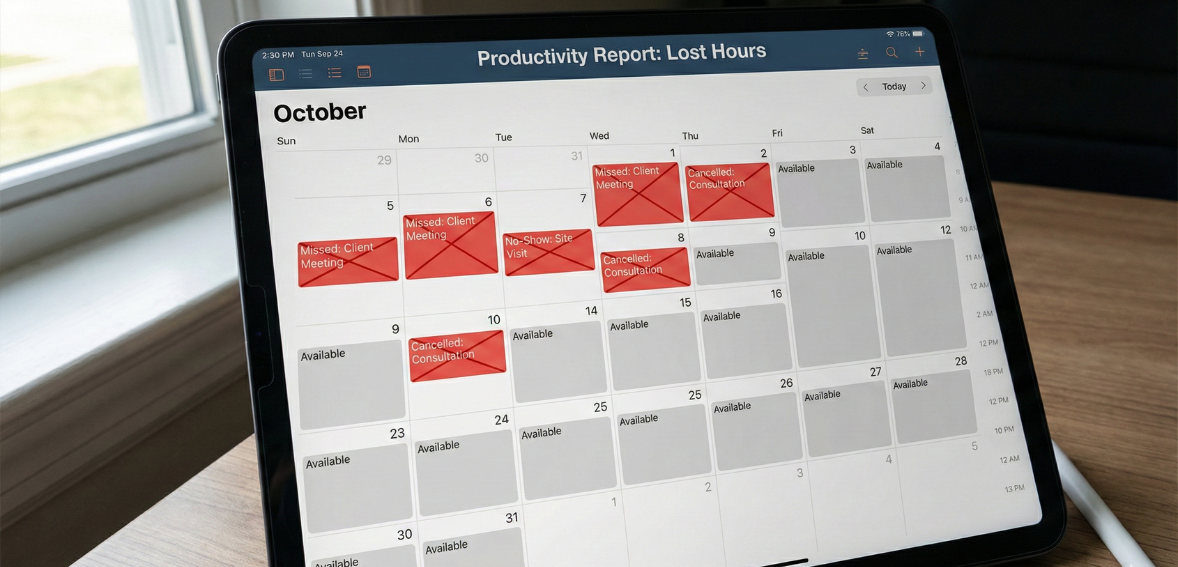
Before a service business can reduce cancellations, it must understand the psychology and logistics behind them. While on the surface it may appear that customers forget, in reality cancellations occur for a wide variety of reasons: scheduling conflicts, uncertainty about job costs, confusion about appointment timing, unexpected emergencies, lack of reminders, or even anxiety about letting strangers into their homes. In some cases, customers intend to reschedule but avoid communication because they feel embarrassed or worried that they are wasting the company’s time.
For a service team, however, a no-show is more than an inconvenience. It halts productivity, damages scheduling flow, and wastes operational resources.
Technicians may drive across town only to find no one home, burning fuel and labor time without compensation. Worse still, an empty appointment slot rarely gets filled at the last minute unless a robust system for backup scheduling and standby clients is in place.
A single missed appointment may feel small, but when cancellations become habitual, they add up to measurable financial loss. Each unfilled hour represents not just missing revenue from that particular job, but the lost opportunity to serve another customer. Over time, that lost capacity compounds, particularly when unpredictable cancellations disrupt route planning, overtime management, or travel efficiency.
The first step toward reducing no-shows and cancellations is recognizing that customer behavior can be shaped through structure, communication, and expectation management. When customers understand the value of the appointment, feel connected through reminders, and have easy mechanisms to adjust plans, they are far more likely to follow through.
Preventing Appointment No Shows Through Proactive Communication

Communication is one of the strongest tools service companies have in preventing missed appointments. Many customers do not cancel intentionally they forget. Life moves quickly, schedules change, and without reminders, appointments disappear in the background of daily chaos. By proactively communicating before the appointment day, businesses significantly improve show-up rates and reduce wasted technician arrival attempts.
Modern service companies rely heavily on automated reminders messages that confirm the appointment date and expected arrival window and offer a chance to reschedule if needed. Customers appreciate knowing what to expect, and when communication is clear and friendly, reliability increases. The best reminder strategies include multiple touchpoints: a confirmation when the appointment is booked, a reminder a day or two before, and another message on the morning of service. These communication stages increase accountability and allow customers who cannot make it to notify the business early, giving dispatchers time to reorganize schedules and fill time slots.
Besides reminders, real-time arrival notifications build trust. When a customer knows exactly when a technician is on the way, they feel respected and prepared. This transparency also reduces stress for both sides. Customers are less unsure, and businesses are less likely to arrive at an empty home.
Enhancing communication with clients does more than prevent missed appointments; it strengthens relationships. Each touchpoint communicates professionalism, care, and efficiency, informing customers that their time and business are valued. When customers feel included instead of forgotten, they reciprocate by respecting the schedule.
Making Rescheduling Easier to Prevent Silent Cancellations
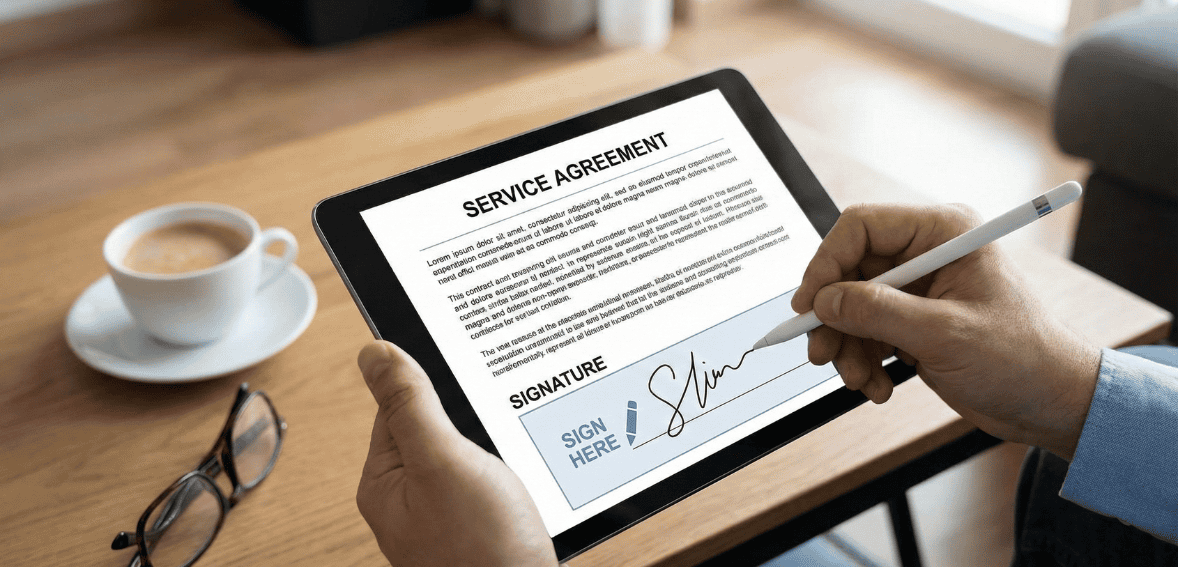
When customers know they can easily reschedule, they are far less likely to disappear without notice. Many no-shows happen because customers didn’t want the hassle or embarrassment of calling to cancel. Providing an easy self-service option such as a digital rescheduling link, customer portal, or text-based confirmation system has a tremendous impact.
If customers can reschedule in seconds rather than make an uncomfortable phone call, they are much more likely to communicate proactively. This helps the business retain the appointment in a different time slot rather than losing it completely, and it gives dispatchers time to reorganize work intelligently.
A flexible system not only reduces cancellations but respects the real-world complexity of customers’ lives. A customer who feels supported rather than pressured becomes more loyal, and loyalty directly correlates with reduced turnover. When a business encourages rescheduling rather than punishment, it protects revenue and builds longer-term relationships.
Customers value convenience above all other aspects of service experience. When rescheduling is effortless, cancellations naturally diminish without confrontation or tension.
Using Data to Identify No Show Patterns and Improve Scheduling

Customer behavior patterns are rarely random. Certain days, time slots, job types, or client profiles may be more prone to cancellations than others. By observing trends, a business can anticipate risk and make strategic scheduling decisions that minimize the impact of no-shows.
Many service organizations review scheduling data and notice trends such as more no-shows during evening slots, on weekends, or for lower-urgency service categories. Similarly, businesses may find specific customers repeatedly cancel or reschedule, which informs future strategy requiring deposits, appointment confirmations, or choosing different time windows.
By tracking cancellation rates over time, businesses gain visibility into why and when productivity is lost. Predictive scheduling is an innovative form of risk management ensuring that the highest-value jobs and most dependable clients receive spots that best align with technician availability and priority.
When data supports decision-making, scheduling becomes more efficient, and cancellations become easier to absorb because they are expected rather than disruptive.
Smart Backup Planning: Turning Unexpected Cancellations Into Opportunity
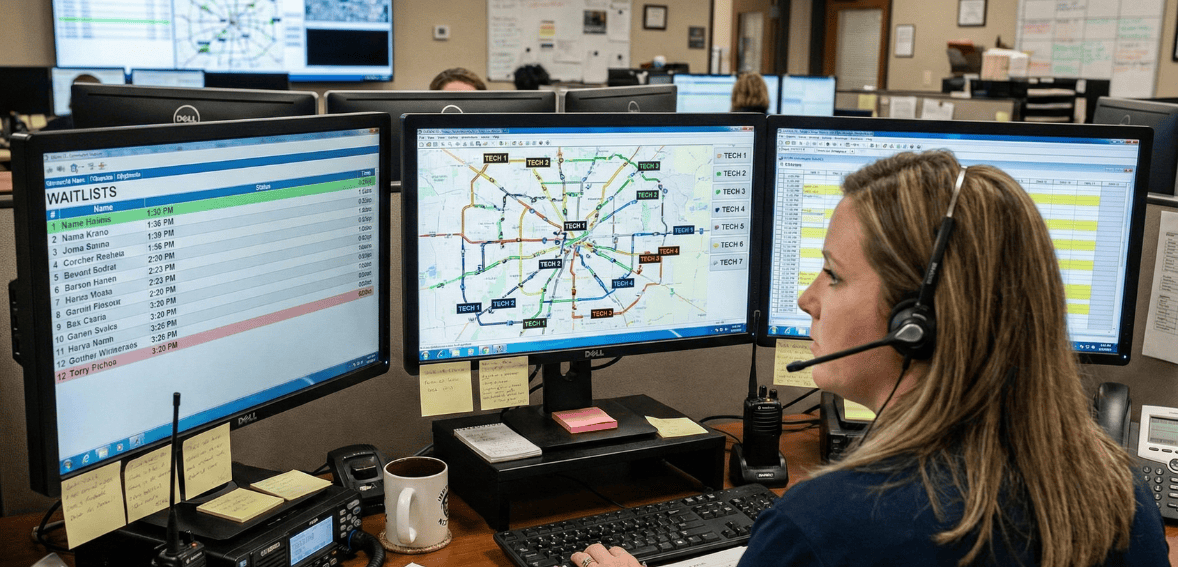
Even with the strongest strategies, cancellations cannot be eliminated. But they can be converted into productive time rather than space. Successful service companies build internal backup plans to redirect technicians quickly when an appointment unexpectedly opens up turning wasted time into revenue recovery.
One standard method is maintaining a waitlist of customers who want appointments sooner than currently available. If an opening appears suddenly due to a cancellation, dispatch can offer an earlier slot to these customers. Most clients appreciate being offered an earlier time, especially when dealing with urgent repairs or tight schedules. This transforms what would have been lost revenue into a positive customer experience.
Backup scheduling might also include internal maintenance tasks, equipment preparation, vehicle cleaning, or inventory checks allowing technicians to complete productive work rather than sitting idle. When handled efficiently, these quick pivots contribute to overall operational improvement.
The key to effective backup planning is having a structure in place in advance, rather than scrambling in the moment. When teams know how to respond immediately when a no-show occurs, productivity remains consistent rather than halting abruptly.
Building Stronger Customer Commitment Through Trust and Clarity
Trust is a crucial ingredient in reducing no-shows and cancellations. Customers commit to appointments when they feel confidence in the business not just in the quality of work, but in communication, professionalism, and reliability. When customers trust a company, they prioritize keeping scheduled commitments because they know the service will be worth their time and that the business respects them in return.
One of the most effective ways to build trust is by setting crystal-clear expectations from the moment the appointment is booked. Customers should understand precisely what is included in the service, any preparation needed beforehand, the arrival window, the pricing structure, and what might happen if plans change. When expectations are vague, uncertainty increases. Uncertainty leads to hesitation and avoidance, not a strong environment for appointment follow-through.
Clarity also reduces anxiety around unknown outcomes. For example, many cancellations happen when clients worry about unexpected costs. Transparent communication about pricing and procedures reduces that fear. If customers feel informed and secure, they are less likely to cancel at the last minute.
Trust also comes from consistency. When a business honors arrival windows, maintains friendly communication, and treats customers respectfully, loyalty grows naturally. A loyal customer is not someone who easily cancels. They value the relationship and treat the appointment as a priority. The stronger the relationship, the lower the cancellation rate.
Developing a Solid Cancellation Policy Without Damaging Relationships
Every service business must walk a fine line: encouraging customer responsibility without pushing customers away. When implemented thoughtfully and communicated clearly, a cancellation policy can significantly reduce no-shows by reinforcing the value of reserved time.
A well-designed policy need not be harsh; it can be firm and fair. For example, requiring notice at least 24 hours before cancellation helps the business adjust schedules productively. Most customers consider this reasonable, and it encourages accountability. Some companies also use refundable deposits or trip-charge minimums for high-risk appointments not to punish customers, but to demonstrate that the appointment is a commitment.
What matters most is how the policy is framed. Policies should be explained as a measure of respect for the technicians whose time is valuable, and respect for other customers who might need earlier appointments. When customers understand the reason behind the rules, they comply more willingly.
A cancellation policy is not about creating consequences; it is about creating structure. Structure leads to predictability, and predictability is what businesses need to manage schedules effectively. When combined with empathy and flexibility for genuine emergencies, a balanced policy protects both the customer relationship and company resources.
Empowering Technicians to Prevent No Shows in the Field
Frontline technicians play a key role in reducing cancellations because they are the human link between a business and its customers. A proactive technician can reinforce customer confidence in every interaction. When a technician takes time to communicate clearly, confirm details, and leave a professional impression, customers are far less likely to cancel future visits.
Simple habits make a powerful difference: arriving within the stated window, calling ahead when en route, explaining work clearly, and ending each appointment by verifying next steps or scheduling follow-up services. Even asking a customer, “Is this time slot usually good for you?” shows care and personalization that customers remember.
Technicians can also identify early warning signs of hesitation or uncertainty that might lead to a cancellation later. These observations allow the business to re-communicate expectations or provide reminders before problems arise. Empowered technicians are ambassadors of trust. They reinforce reliability through their actions, and reliability is a direct defense against no-shows.
Turning Customer Feedback Into Better Scheduling Performance
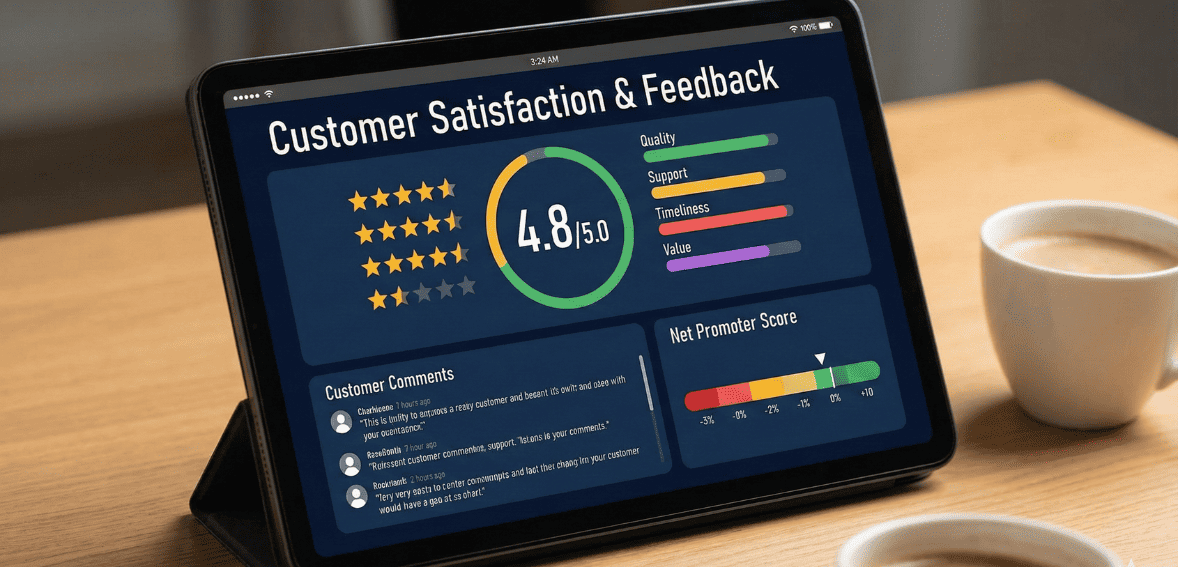
Customer feedback is one of the most valuable tools for improving appointment success. Understanding why customers cancel provides insight that cannot be gained from data alone. Feedback reveals discomforts, frustrations, and unmet needs factors that frequently lead to missed appointments.
Some cancellations are not caused by customer carelessness, but by issues the business could improve with unclear time windows, long wait times, poor communication, or scheduling challenges. When feedback is actively collected and reviewed, businesses discover opportunities to adjust processes and reduce future cancellations.
Inviting feedback also strengthens customer relationships. It communicates that the company values its input, listens sincerely, and seeks continuous improvement. Customers who feel heard are more likely to stay engaged and keep appointments.
Feedback transforms frustration into progress. Every cancellation becomes a lesson instead of a loss.
Using Technology to Keep Appointments on Track and Reduce Operational Stress
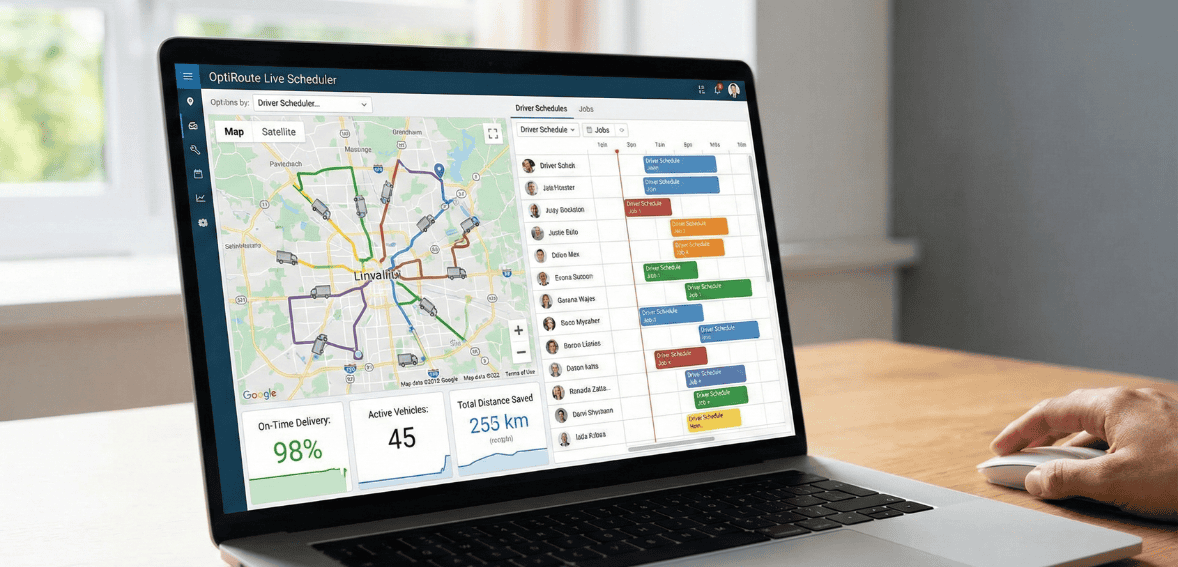
Modern field service software plays a significant role in reducing no-shows and keeping schedules predictable. Automated tools eliminate much of the manual effort required to track appointments, send reminders, and reorganize schedules when plans change. Real-time dashboards allow dispatchers to see technician status, travel progress, and appointment updates closing gaps that often lead to no-shows.
Scheduling optimization tools help businesses assign the right jobs to the right people at the right time, reducing delays that frustrate customers. Automated reminders, notification messages, digital confirmations, and customer self-service portals all minimize communication barriers. Technology helps replace chaos with consistency, removing the uncertainty that often fuels cancellations.
Some systems even use predictive analytics to identify patterns and flag high-risk appointments in advance, giving businesses the chance to intervene early, confirm attendance, or prepare backup plans.
Technology does not replace human effort; it enhances efficiency and reduces preventable loss. Businesses that embrace automation can focus more on delivering excellent service instead of repairing scheduling damage.
Conclusion: Turning Scheduling Stability Into Long Term Business Strength
Reducing no-shows and cancellations isn’t about eliminating human error, it’s about building systems that anticipate the unpredictable and turn vulnerability into stability. Service businesses thrive when appointments hold their value, technicians stay productive, and customers feel supported from booking to completion.
By combining clear communication, easy rescheduling, innovative scheduling strategies, customer trust, thoughtful policies, technician empowerment, and modern software tools, companies can dramatically improve appointment reliability. Every saved hour becomes a reclaimed opportunity one more job completed, one more relationship strengthened, one more step toward consistent growth.
The most successful service organizations don’t rely on hope to fill their schedules. They design structure, communication, and technology that make reliability natural. When both business and customer are aligned, scheduled appointments become commitments not possibilities and companies gain the stability they need to grow confidently.
FAQs
Why is reducing no-shows so crucial for field service businesses?
No-shows lead to wasted time, unbillable labor, lost travel expenses, and reduced productivity. Preventing missed appointments protects revenue and keeps schedules efficient, allowing more jobs to be completed each day.
How can reminder messages reduce cancellations?
Reminders ensure customers don’t forget appointments and give them a chance to reschedule rather than silently cancel. Multi-step reminders keep customers engaged and significantly increase attendance reliability.
Should businesses charge for missed appointments?
A cancellation fee or deposit can be effective if applied fairly and communicated clearly. It reinforces the value of technician time while giving businesses a structured way to manage high-risk bookings.
Can technology really help reduce cancellations?
Yes automation handles reminders, confirmations, rescheduling, tracking, and standby scheduling. Software improves communication and reduces confusion, leading to higher appointment completion rates.
What is the best way to respond when a customer cancels at the last minute?
Stay professional and proactive. Attempt to fill the slot using a waitlist or internal tasks, then follow up politely to reschedule. Turning inconvenience into constructive action protects long-term relationships.