

The Power of Mobile Job Tracking: Real-Time Updates for Field Teams and Customers
In a service economy where time and trust shape every customer interaction, immediate visibility is everything. Today’s customers expect precise arrival times, while field teams rely on instant instructions and updates. Mobile job tracking transforms this reality, replacing scattered paper, calls, and outdated spreadsheets with real-time, mobile-first solutions for both technicians and clients.
Mobile job tracking connects the office, field team, and customer through a single digital flow. Every job update, location change, status shift, or message happens instantly. For growing businesses, this shift brings efficiency, accountability, and better experiences at every touchpoint. Paired with a strong field team app, mobile job tracking transforms how work is scheduled, executed, and communicated.
Why Mobile Job Tracking Matters in Modern Field Service
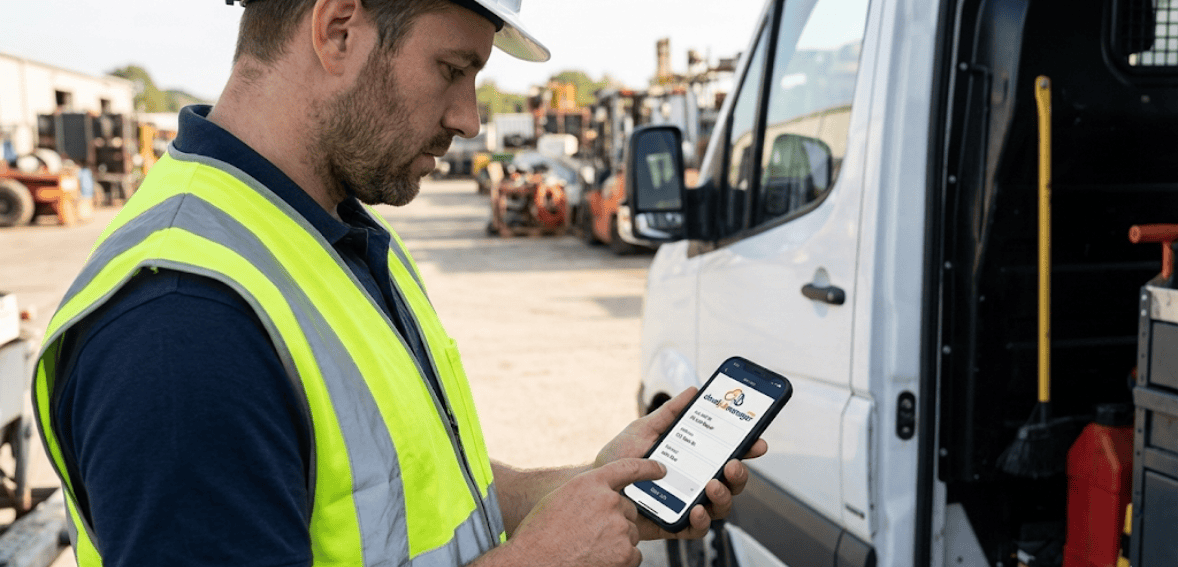
Field service is unpredictable. Jobs run late, emergencies arise, traffic delays, or customer availability changes. Traditional systems struggle because they rely on static schedules and manual communication. Mobile job tracking enhances flexibility and provides real-time visibility in daily operations.
With mobile job tracking, jobs exist in a dynamic system rather than a fixed calendar. Technicians get instant updates on their devices; dispatchers see real-time progress; customers stay informed without calling the office. This transparency reduces confusion, prevents miscommunication, and keeps everyone aligned.
More importantly, mobile job tracking enables scale. As a business grows from a few to dozens or even hundreds of technicians, manual coordination becomes impossible. A mobile-first system ensures growth doesn’t sacrifice service quality or operational control.
How a Field Team App Improves Technician Productivity
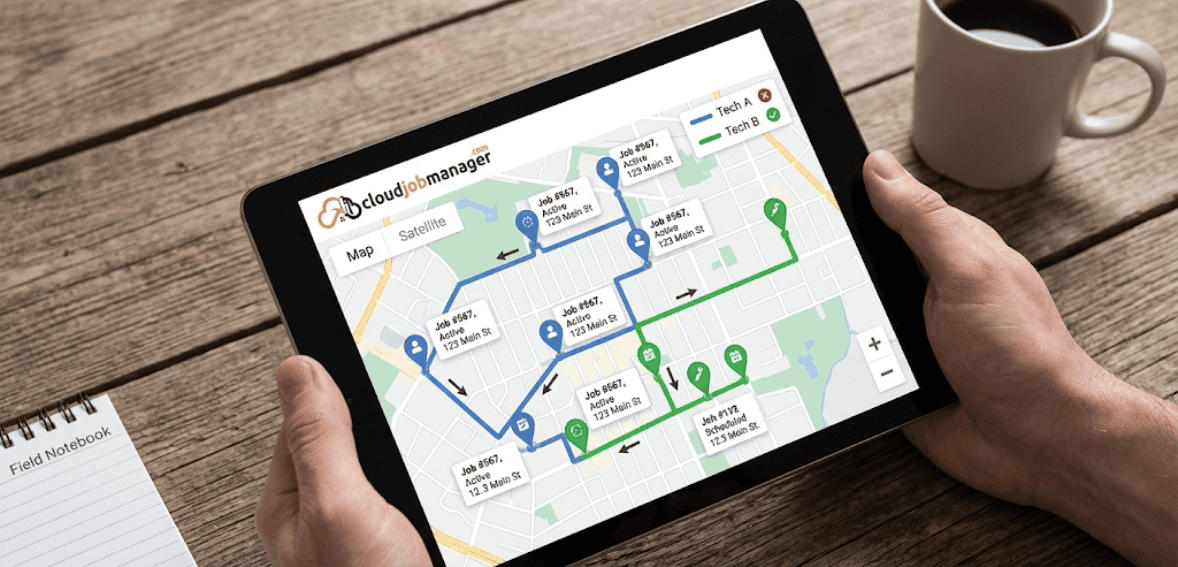
A well-designed field team app acts as the technician’s command center. Instead of juggling phone calls, work orders, and texts, technicians access everything in one place. Job details, notes, service history, checklists, photos, and status updates are all on their mobile device.
This reduces downtime and cognitive overload. Technicians don’t need to seek clarification or seek information. They arrive prepared, complete jobs efficiently, and move smoothly to the next task. These small gains lead to much higher productivity.
Mobile job tracking empowers technicians to take ownership of their work. Real-time updates let them clearly show when a job starts, pauses, or completes. This creates accountability and prevents misunderstandings about delays or scope changes.
Real-Time Dispatch and Smarter Scheduling Decisions
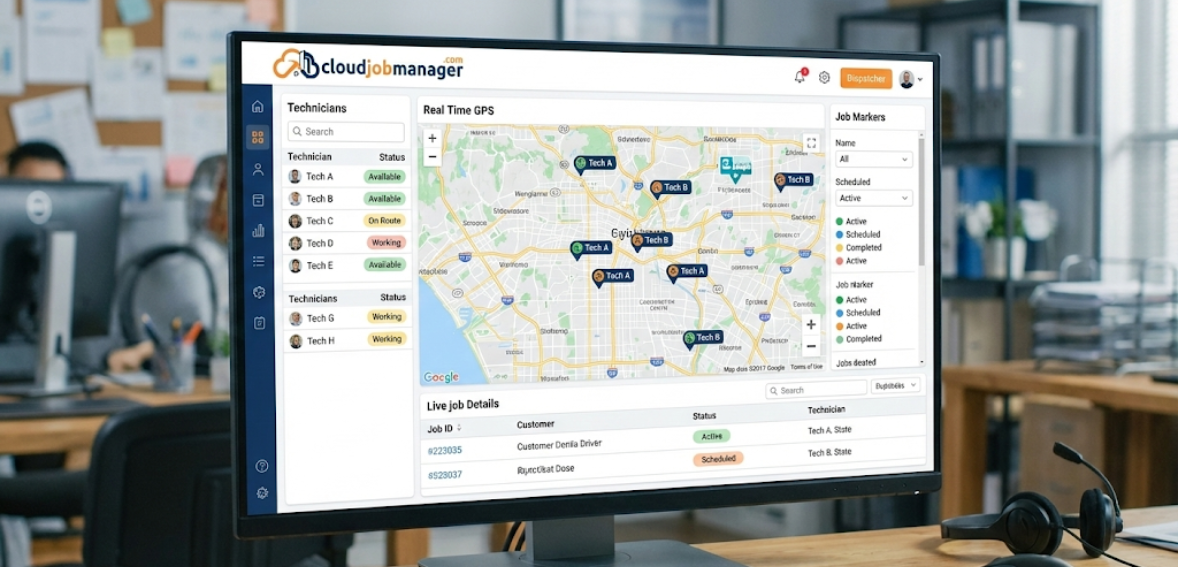
A major benefit of mobile job tracking is real-time dispatch. Instead of static schedules, dispatchers see live technician locations, job statuses, and availability. This enables smarter decisions throughout the day.
If a technician finishes early, the system suggests nearby jobs. If traffic slows a route, dispatchers can notify customers or reassign tasks. Emergencies are routed to the closest available technician without disrupting the entire schedule. This level of response isn’t possible without real-time visibility.
For businesses, this means fewer missed appointments, lower travel costs, and better use of technician time. For customers, it means faster service and fewer surprises. Real-time dispatch turns scheduling into a flexible, adaptive process.
Keeping Customers Informed with Live Updates
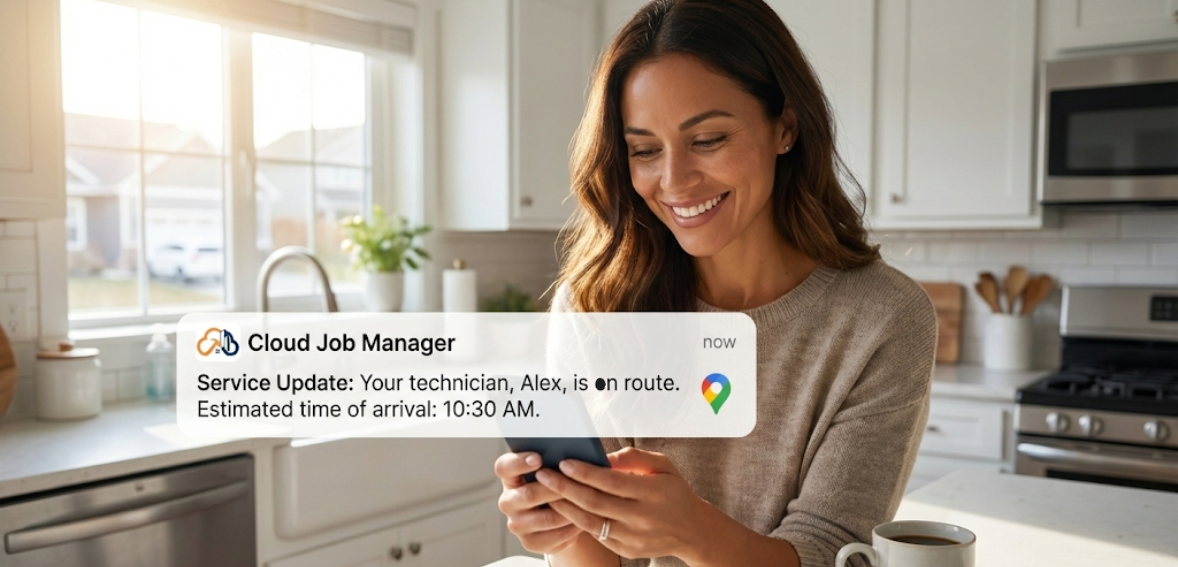
Today’s customers value communication as much as technical skill. They want to know when a technician is coming, if there’s a delay, and when the job is done. Mobile job tracking enables this with live updates and automatic customer notifications in the background.
Instead of customers calling for status, they receive direct updates. Notifications confirm appointments, share arrival windows, alert when a technician is en route, and confirm job completion. This reduces inbound calls and creates a smoother, more professional experience.
Consistent communication builds trust. When customers feel informed, they’re more forgiving of delays and more confident in their provider. Over time, this leads to better reviews, higher retention, and more referrals, all without extra work for the office.
GPS Tracking and Visibility Without Micromanagement
GPS tracking in field service raises concerns about micromanagement, but used properly, it serves a different purpose. The goal isn’t to monitor every move, but to create visibility that enables smarter decisions and better service.
With GPS-enabled job tracking, dispatchers see technician locations to optimize routing and respond quickly. Technicians benefit too, as job assignments are more realistic and travel time drops. When used responsibly, location data drives efficiency, not control.
For customers, GPS tracking means accurate ETAs and fewer missed appointments. Knowing when help arrives removes uncertainty and improves the experience.
Reducing Errors Through Centralized Job Information
Field service errors often stem from fragmented information. A detail from a call may not reach the technician. A schedule change misses its mark. A note gets lost. Mobile job tracking closes these gaps by centralizing job information.
When everyone uses the same system, there’s one source of truth. Updates are logged once and visible everywhere. Photos, notes, and signatures stay attached to the job record. This limits rework, prevents disputes, and ensures nothing slips through the cracks.
For growing businesses, this consistency is critical. As teams expand, informal communication breaks down. Mobile job tracking adds structure without slowing teams.
Laying the Foundation for Scalable Operations
Beyond daily efficiency, mobile job tracking serves a long-term strategic role. The data on job durations, travel times, completion rates, and feedback is a valuable resource for operational improvement.
Managers can analyze trends, find bottlenecks, and make informed decisions on staffing, pricing, and services. Over time, this data-driven approach improves margins and performance.
A strong mobile job tracking system is essential infrastructure. It enables organizations to grow efficiently, maintain operational consistency, and continuously improve processes.
Strengthening Accountability and Performance Across Field Teams
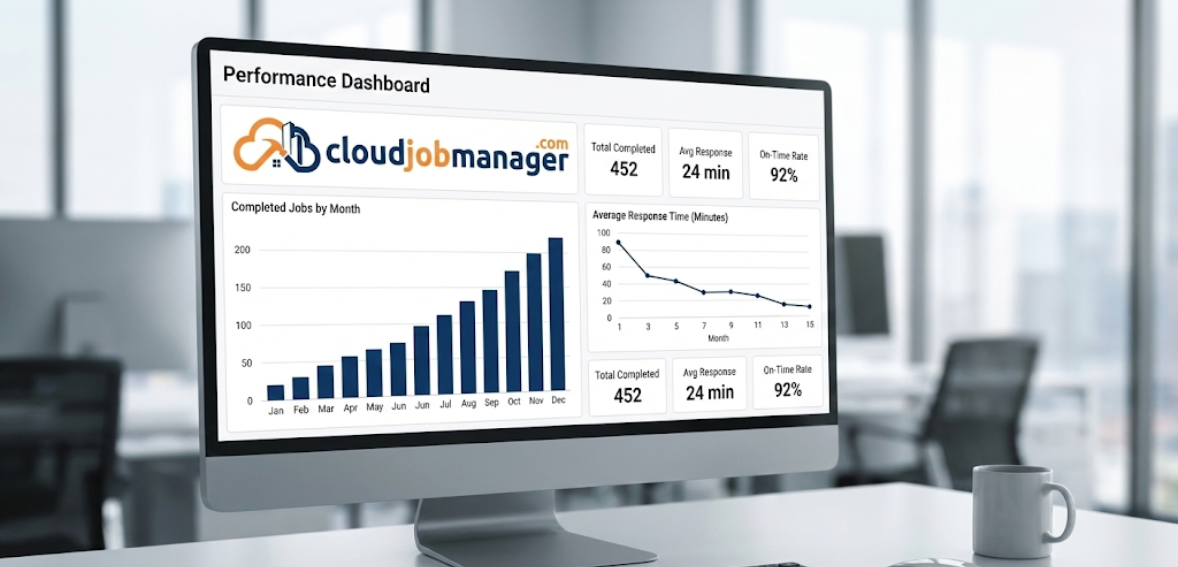
One of the less talked-about but most powerful benefits of mobile job tracking is how it quietly improves accountability without creating pressure or distrust. When technicians update job statuses in real time, performance data becomes a natural byproduct of daily work rather than something managers have to chase or manually record.
This visibility allows managers to understand what is really happening in the field. They can see how long jobs actually take, where delays occur, and which types of work require additional support or training. Over time, patterns emerge that help leaders make better decisions around staffing, job allocation, and service timelines.
For technicians, this clarity can be motivating rather than restrictive. When work is accurately tracked, effort becomes visible. High performers are easier to recognize, and misunderstandings around delays or incomplete jobs are reduced. Mobile job tracking creates fairness by replacing assumptions with facts.
Improving Customer Trust Through Consistency and Transparency
Trust is built through consistency, and consistency is hard to maintain without the right systems. Mobile job tracking supports trust by ensuring customers receive the same level of communication and professionalism every time, regardless of which technician is assigned.
When customers receive reliable updates, clear arrival windows, and confirmation when work is completed, they feel respected and valued. This matters even more in service industries where customers may already feel stressed due to breakdowns, emergencies, or disruptions to their daily routine.
Transparency also protects the business. Clear job records, timestamps, and communication logs help resolve disputes quickly and professionally. If questions arise about arrival times, scope of work, or completion status, everything is documented in one place. This reduces friction and preserves long-term customer relationships.
Enhancing Internal Collaboration Between Office and Field
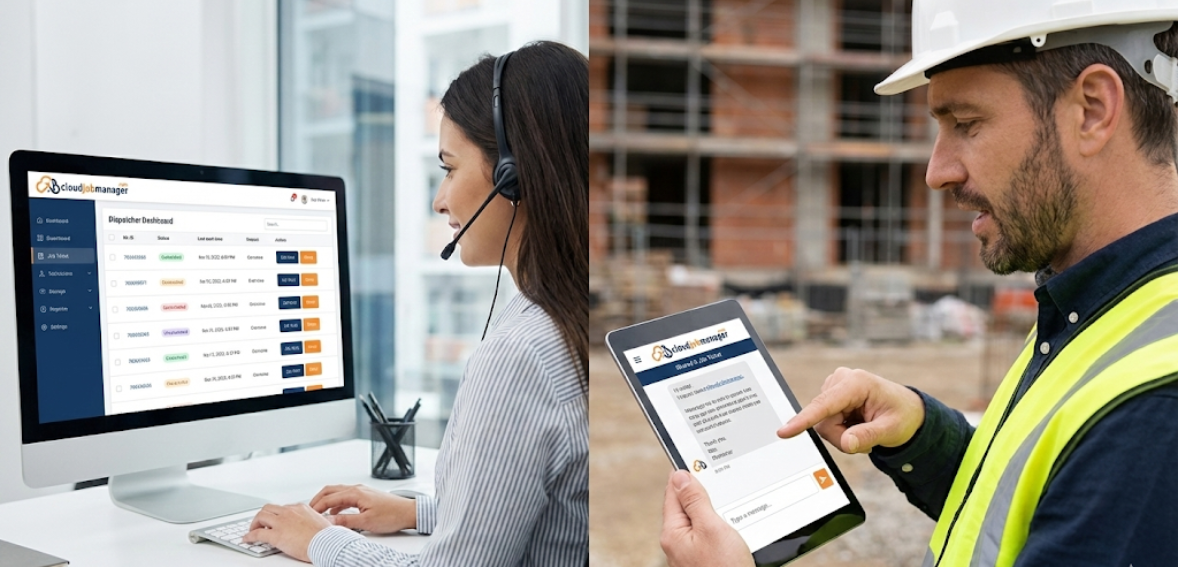
Field service businesses often struggle with the divide between office staff and technicians. Without shared visibility, misunderstandings can arise easily. A field team app bridges this gap by creating a shared workspace where everyone operates from the same information.
Office teams can see progress without interrupting technicians. Technicians can receive updates without phone calls that break focus. Questions, photos, and notes flow through the system rather than being scattered across messages and calls. This creates smoother collaboration and reduces frustration on both sides.
As a result, the business operates more like a single, connected team rather than two separate groups trying to stay aligned. This alignment becomes increasingly important as the business grows and coordination becomes more complex.
Reducing Administrative Overhead and Manual Follow-Ups

Manual follow-ups are one of the biggest hidden drains on field service operations. Without mobile job tracking, office staff spend hours calling technicians for updates, calling customers with ETAs, and manually updating records after the fact.
With mobile job tracking, much of this work disappears. Job statuses update automatically. Customer notifications are triggered automatically. Reports are generated based on real activity rather than estimates. This allows office teams to focus on higher-value work instead of routine coordination.
Reducing administrative overhead doesn’t just save time; it improves morale. When teams aren’t bogged down by repetitive tasks, they can focus on improving service quality, solving problems, and supporting growth initiatives.
Data Accuracy, Security, and Operational Confidence
Accurate data is essential for confident decision-making. Mobile job tracking improves data quality by capturing information at the source, in real time. Technicians enter updates as work is happening, reducing errors caused by memory lapses or delayed reporting.
Modern mobile systems also protect this data through secure access controls and automatic backups. Job histories, customer records, and operational data remain consistent and reliable over time. This is especially important for businesses that need to meet compliance requirements or maintain detailed service records.
When leaders trust their data, they can act decisively. Pricing, staffing, and expansion decisions become easier when they are backed by accurate, real-world insights rather than assumptions.
Supporting Business Growth Without Losing Control
Growth often introduces chaos if systems don’t scale with the business. Mobile job tracking helps prevent this by creating a structure that grows naturally with the organization. Whether managing five technicians or fifty, the same system supports visibility, coordination, and communication.
As new team members are added, onboarding becomes simpler because workflows are already defined. Expectations are clear. Information is centralized. This allows the business to expand without sacrificing service quality or operational clarity.
In this way, mobile job tracking isn’t just about managing today’s workload; it’s about preparing for tomorrow’s growth.
The Long-Term Value of Real-Time Field Visibility
Over time, the benefits of mobile job tracking compound. Faster response times lead to happier customers. Clearer communication leads to fewer disputes. Better data leads to smarter decisions. Together, these outcomes create a stronger, more resilient business.
Field service companies that embrace mobile job tracking position themselves for long-term success. They are better equipped to adapt to changing customer expectations, handle operational complexity, and compete in an increasingly digital marketplace.
Mobile job tracking, supported by a capable field team app, is no longer a luxury. It is a foundational tool for delivering reliable service, maintaining trust, and building sustainable growth.
Conclusion
The power of mobile job tracking lies in its ability to connect people, processes, and information in real time. By giving field teams and customers clear visibility into job progress, businesses can operate more efficiently while delivering a better experience at every stage.
From real-time dispatch and GPS tracking to customer notifications and performance insights, mobile job tracking transforms how field service businesses work. It reduces friction, improves accountability, and supports growth without adding complexity. For organizations looking to stay competitive and responsive, mobile job tracking is not just a tool; it’s a strategic advantage.
FAQs
What is mobile job tracking in field service?
Mobile job tracking allows service businesses to monitor job progress, technician status, and customer updates in real time through a mobile system.
How does a field team app help technicians?
A field team app gives technicians access to job details, updates, and communication tools in one place, reducing confusion and saving time.
Can mobile job tracking improve customer satisfaction?
Yes. Real-time updates and customer notifications keep clients informed, reduce uncertainty, and build trust throughout the service process.
Is GPS tracking necessary for mobile job tracking?
GPS tracking enhances routing and ETA accuracy, but it works best when used to support efficiency rather than micromanagement.
Does mobile job tracking support business growth?
Absolutely. It creates scalable workflows, reliable data, and consistent communication, enabling businesses to grow without losing control.