

Winning the Talent War: Hiring Skilled Trades in a Competitive Market
Hiring skilled tradespeople is a major challenge for construction, field service, and contracting firms nationwide. Demand for electricians, plumbers, HVAC technicians, carpenters, and other trades has surged, but the qualified workforce has not kept up. This imbalance creates a competitive hiring market. Businesses must actively compete for talent rather than simply post a job and wait.
The construction labor shortage is now a structural change, not a short-term disruption, caused by retirements, fewer trade school enrollments, and growing infrastructure needs. Field service recruiting now requires a strategic approach that considers wages, career growth, work-life balance, company culture, and stability. Businesses relying on old hiring methods often end up understaffed, overworked, and unable to meet demand.
Winning the talent war starts with understanding why skilled trades hiring has changed and what today’s workforce expects. Contractors who adapt their staffing strategies will not only fill open roles faster but also build stronger, more resilient teams capable of sustaining growth in a highly competitive market.
Understanding the Construction Labor Shortage and Workforce Gap

The construction labor shortage did not appear overnight. It is the result of decades-long trends that have reshaped the skilled workforce. For years, young people were encouraged to pursue four-year college degrees, while vocational training and apprenticeships were often overlooked or undervalued. As a result, fewer workers entered the trades just as a large segment of experienced professionals began reaching retirement age.
This skilled labor shortage is now being felt across all regions and specialties. Contractors are competing for a shrinking pool of experienced tradespeople while also facing longer project timelines, rising labor costs, and higher customer expectations. The construction workforce gap is particularly challenging for small and mid-sized businesses that lack the brand recognition or compensation flexibility of larger firms.
Field service recruiting is further complicated by the physical demands of trade work, regional licensing requirements, and the need for hands-on experience. These factors make it difficult to quickly replace workers or scale teams during busy seasons. Understanding these realities is essential before attempting to solve them. Hiring challenges cannot be addressed effectively without first acknowledging the structural forces shaping today’s skilled trades hiring environment.
Why Traditional Hiring Methods No Longer Work
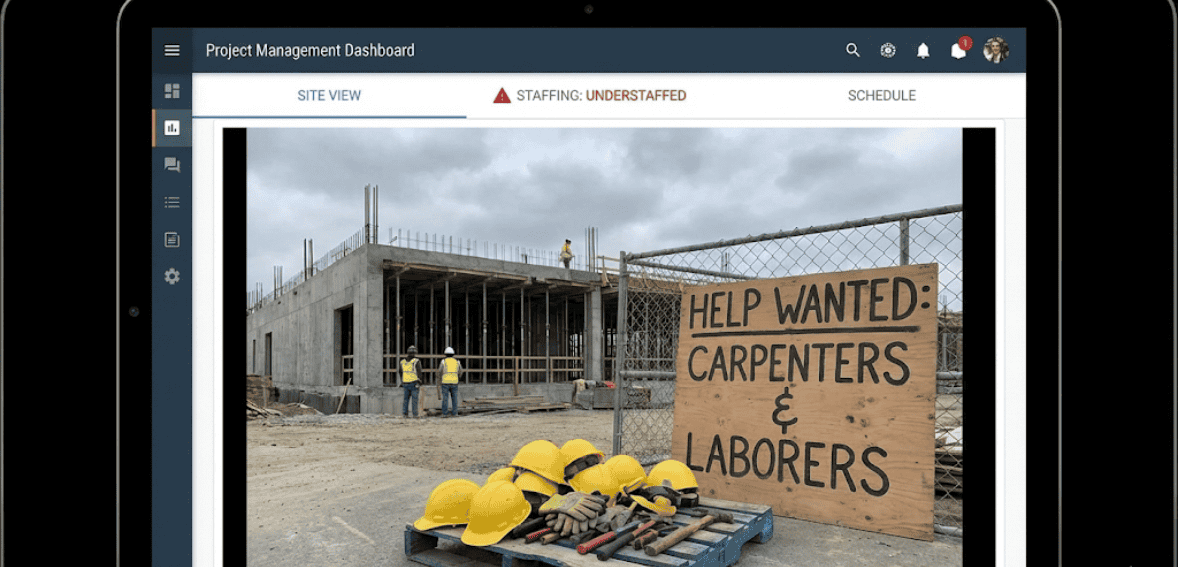
Many contractors continue to rely on job boards, word-of-mouth referrals, or walk-in applications as their primary recruiting tools. While these methods may have worked in the past, they are no longer sufficient in a competitive labor market. Today, skilled tradespeople are often already employed and not actively seeking new roles. This means passive candidates must be attracted rather than discovered.
Standard job postings list responsibilities and requirements, but rarely explain why a company is desirable. In a market short on contractors, generic descriptions don’t stand out. Workers want to know how the role fits long-term, the support available, and whether the company invests in its people.
Field service recruiting struggles when hiring processes are slow or disorganized. Lengthy forms, slow follow-ups, and unclear expectations turn off candidates or cause them to lose out to other offers. In a competitive market, speed and clarity are crucial. Businesses that streamline and update recruiting secure talent faster.
Redefining What Skilled Tradespeople Want from Employers
To hire skilled trades talent, employers must rethink how they motivate workers. Competitive pay still matters, but is no longer the only factor. Many tradespeople want stability, predictable schedules, good management, and advancement opportunities.
The construction labor shortage has shifted power toward workers, giving them more choice and leverage. Skilled labor candidates often evaluate employers based on how well they communicate expectations, support safety, and recognize effort. A positive workplace culture can be as influential as compensation when recruiting field workers.
Training and development are key to attracting talent. Tradespeople want to expand skills, earn certifications, and increase earnings. Companies that invest in learning and mentorship demonstrate a commitment to their workforce, improve hiring and retention, and reduce the need for constant recruitment.
Employer Branding as a Recruiting Advantage
In a competitive market, contractor staffing success increasingly depends on employer branding. Skilled tradespeople talk to one another, share experiences, and research potential employers before applying. A company’s reputation within the local trade community can significantly influence its ability to attract talent.
Employer branding goes beyond marketing slogans. It includes how a business treats its workers, how managers communicate, and how challenges are handled on the job. Online reviews, social media presence, and word of mouth all contribute to how a company is perceived by potential hires.
Field service recruiting benefits when businesses present a clear and authentic employer brand. Highlighting real employee stories, career paths, and workplace values helps candidates envision themselves as part of the team. In an environment shaped by a skilled labor shortage, companies that actively manage their reputation gain a meaningful edge over those that do not.
Building a Sustainable Recruiting Pipeline
To address the construction workforce gap, build a recruiting pipeline instead of just responding to immediate needs. Sustainable recruiting focuses on developing connections with future talent well before roles become urgent.
This approach may include partnerships with trade schools, vocational programs, and community colleges. Engaging with students early introduces them to career opportunities and helps reshape perceptions of the trades. Trade apprentice programs are particularly valuable, allowing businesses to train workers according to their standards while fostering loyalty from the start.
Recruiting field workers also benefits from referrals, internships, and entry-level roles. By creating clear paths from beginner to skilled professional, companies depend less on external hiring and strengthen workforce continuity. Proactive pipeline development is critical for long-term success in a tight labor market.
Aligning Hiring Strategy with Business Growth

Skilled trades hiring should never be separated from the overall business strategy. Contractor staffing decisions directly affect project capacity, customer satisfaction, and revenue growth. Hiring too slowly can limit opportunities, while hiring too quickly without proper onboarding can strain resources.
Successful field service recruiting aligns workforce planning with projected demand. This requires forecasting workload, understanding seasonal patterns, and anticipating retirements or turnover. Businesses that treat hiring as a strategic function rather than an administrative task are better equipped to adapt to market changes.
By integrating recruiting into broader operational planning, companies can make informed decisions about when to hire, how many workers are needed, and what skill sets will be most valuable. This strategic alignment is essential for navigating the construction labor shortage while maintaining quality and profitability.
Leveraging Apprenticeships to Strengthen Skilled Trades Hiring

One of the most effective ways to address the skilled labor shortage is to rebuild the apprenticeship pipeline. Apprenticeships allow businesses to develop talent internally rather than endlessly compete for already-experienced workers. In today’s market, this approach is not just helpful—it’s becoming essential.
Trade apprentice programs create a structured path for new entrants to learn hands-on skills while earning income. This reduces the barrier to entry for younger workers and career switchers who may be hesitant to invest years into training without an immediate financial return. For employers, apprenticeships offer the opportunity to shape work habits, safety practices, and quality standards from the beginning.
As part of field recruitment, apprenticeships also build loyalty. Workers who are trained internally tend to stay longer because they feel invested in and supported. Over time, this reduces turnover, stabilizes staffing levels, and helps sustainably close the construction workforce gap.
Also read: Onboarding New Technicians: Training Tips and Tech Tools for Faster Ramp-Up
Retention as a Core Strategy in Contractor Staffing

Hiring skilled tradespeople is only half the battle. Retaining them is where many businesses struggle—and where real competitive advantage is found. In a tight labor market, losing experienced workers means re-entering the hiring race, often at a higher cost and greater urgency.
Retention begins with respect and communication. Tradespeople want to feel heard, supported, and valued. Clear expectations, fair scheduling, and consistent leadership go a long way in building trust. When workers believe their employer genuinely cares about their well-being, they are far less likely to leave for marginal pay increases elsewhere.
Career progression also plays a critical role in retention. Field service recruiting becomes easier when current employees can see a future within the organization. Offering leadership tracks, specialization opportunities, or certification support shows commitment to long-term growth. In a market shaped by the construction labor shortage, retaining skilled workers is often more impactful than hiring new ones.
How Technology Supports Modern Field Service Recruiting

Technology has become an essential tool in skilled trades hiring and contractor staffing. Recruiting platforms, digital onboarding systems, and workforce management tools help businesses operate more efficiently while improving the candidate experience.
For recruiting field workers, technology enables faster communication, easier application processes, and better visibility into hiring pipelines. Candidates can apply from their phones, schedule interviews quickly, and receive timely updates—small improvements that make a big difference in competitive markets.
Beyond hiring, technology supports retention by simplifying scheduling, reducing administrative burdens, and improving job transparency. When workers spend less time handling paperwork and confusion, job satisfaction improves. In this way, technology not only supports field service recruiting but also strengthens long-term workforce stability.
Creating a Culture That Attracts Skilled Tradespeople
Culture has become one of the most powerful differentiators in skilled trades hiring. In a market where pay ranges are often similar, workplace culture can be the deciding factor for candidates choosing between employers.
A strong culture is built through consistency, fairness, and accountability. Skilled tradespeople want to work for companies that value safety, respect experience, and promote teamwork. When leadership models these values, they naturally become part of daily operations.
Contractor staffing improves when culture is intentionally cultivated. Simple actions recognizing good work, encouraging open communication, and supporting work-life balance signal that employees are more than just labor. In an era defined by the construction labor shortage, companies with strong cultures stand out as employers of choice.
Expanding the Talent Pool Beyond Traditional Sources

To overcome the skilled labor shortage, businesses must broaden their view of who can succeed in the trades. This includes recruiting from underrepresented groups, career changers, and veterans transitioning into civilian work.
Many capable workers are excluded by rigid hiring requirements that prioritize years of experience over potential. By focusing on aptitude, attitude, and willingness to learn, employers can uncover talent others overlook. This approach strengthens field service recruiting while supporting workforce diversity.
Expanding recruiting channels also includes engaging with community organizations, workforce development programs, and local training initiatives. These partnerships help businesses reach new audiences and position skilled trades as viable, respected career paths.
Preparing for the Future of Skilled Trades Hiring
The construction labor shortage is not expected to disappear soon. Businesses that succeed will be those that adapt early and think long-term. Skilled trades hiring must be treated as an ongoing strategic function rather than a reactive process.
Future-focused contractor staffing involves workforce planning, continuous training, and proactive recruitment. Companies that invest in people, not just projects, will be better equipped to weather economic shifts and demand fluctuations.
Field service recruiting is evolving, and businesses that embrace change will find opportunity even in challenging conditions. By combining apprenticeships, retention strategies, technology, and culture, employers can turn the talent war into a sustainable advantage.
Conclusion: Winning the Talent War Through Strategy, Not Shortcuts
Winning the talent war requires more than higher wages or urgent job postings. It demands a thoughtful, human-centered approach to skilled trades hiring that recognizes the realities of today’s workforce. The construction labor shortage has reshaped the market, but it has also created opportunities for businesses willing to innovate.
By focusing on retention, expanding recruiting pipelines, embracing technology, and building strong cultures, companies can overcome the construction workforce gap. Field service recruiting is no longer about filling positions; it’s about building teams that last.
The businesses that succeed will be those that view hiring as an investment in long-term growth rather than a short-term fix. In a competitive market, strategy, not desperation, wins the talent war.
FAQs
Why is skilled trades hiring so difficult now?
Skilled trades hiring is challenging due to retirements, fewer new entrants, and rising demand for construction and field services. This imbalance has created a long-term labor shortage rather than a temporary hiring issue.
How can small contractors compete for skilled workers?
Small contractors can compete by offering strong culture, clear growth paths, flexible scheduling, and respectful leadership. These factors often matter as much as pay in today’s market.
Do apprenticeships really help with the labor shortage?
Yes, apprenticeships help build talent from the ground up and reduce reliance on external hiring. They are one of the most sustainable ways to address the construction workforce gap.
What role does technology play in field service recruiting?
Technology speeds up hiring, improves communication, and reduces administrative friction. It also supports retention by making daily work more organized and less stressful.
Is retention more important than hiring in today’s market?
Retention is critical because replacing skilled workers is costly and difficult. Keeping experienced employees reduces recruiting pressure and strengthens long-term stability.