

Data-Driven Decisions: Using Analytics and KPIs in Field Service
Field service analytics is changing the way contractors handle their everyday business activities. In the past, service businesses made decisions based on experience and guesswork. Experience is valuable, but it does not always show what is really happening with jobs, technician performance, or customer service quality. Today, every job ticket, schedule, and invoice creates useful data. Contractors can use this data to make better decisions.
Field service analytics enables contractors to establish a complete understanding of their operational performance. Field service analytics shows which jobs make the most profit, the duration of technician work, and customer satisfaction with service delivery. Managers use numerical data and prevailing trends instead of making business improvement predictions through guesswork.
Data helps contractors work more efficiently. It improves scheduling. It also improves customer service. Service businesses of all sizes benefit from reviewing their operational data. Contractors can transform their daily operations into business intelligence through continuous field service data monitoring and user-friendly reporting systems.
Why Field Service Analytics Matters for Contractors

Service businesses need managers to handle multiple responsibilities at the same time. Contractors manage technicians, respond to customers, track job progress, and control operating costs every day. Contractors need reliable data to understand what is working and what needs improvement.
Field service analytics becomes critical for operations at this point. Contractors use operational data analysis to detect productivity and profitability patterns in their business operations. The analytics reveal that technicians spend excessive time traveling to different job sites. Managers can use this information to improve scheduling and routing so technicians spend less time on unproductive travel.
Companies that use data in their field service operations can solve problems faster. Performance reports help contractors spot problems early. Contractors use these insights to make decisions that enhance their operational efficiency and their ability to deliver services.
Analytics gives owners a clear view of how their business is running. This allows managers and owners to monitor technician performance. Contractors can use this depth of understanding to implement operational improvements, which will enhance their business performance throughout the years to come.
Key Field Service KPIs Every Contractor Should Monitor
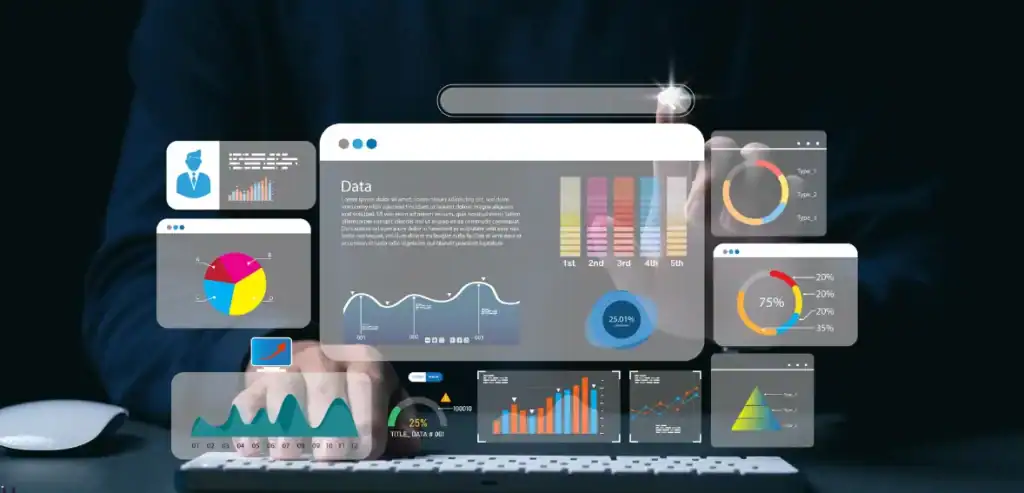
Contractors need to track specific metrics to gain maximum value from their field service analytics. The field service key performance indicators enable measurement of three essential business elements, which include employee productivity, service delivery standards, and operational efficiency. Through proper measurement of contractor performance metrics, businesses can discover areas that need enhancement while making smarter operational choices.
First-Time Fix Rate
First-time fix rate measures the percentage of service jobs completed during the first visit. Technicians who achieve a higher first-time fix rate demonstrate their ability to solve problems by bringing the necessary equipment and components and required expertise to their work.
When the first-time fix rate is low, it often leads to additional visits, higher labor costs, and frustrated customers. The contractors use this metric to enhance their training methods, inventory management processes, and job preparation techniques.
Mean Response Time
Mean response time measures how quickly a technician arrives after a customer submits a service request. Customers value fast service, and long wait times can damage a company’s reputation.
The contractors use their key metrics to assess their dispatching and scheduling system efficiency.
Revenue per Technician
Contractors use revenue per technician as their most effective performance measurement tool to assess worker output. The metric shows the total revenue that each technician achieves during a defined time frame.
The presence of low revenue per technician indicates to management that scheduling problems, extended travel times, and ineffective job distribution exist. The tracking of this metric enables managers to verify that technicians allocate their time toward revenue-generating activities.
Travel Time vs. Work Time
Field service KPIs include travel time and work time as their second key measurement system. Technicians must spend most of their working hours on the road because they need to drive between different service locations.
Businesses use field service data tracking to monitor this ratio, which shows them how effectively they schedule technicians. Organizations can boost their operational efficiency through service territory adjustments and job scheduling changes when transportation expenses become excessive.
Callback or Repeat Visit Rate
The callback rate measures how often technicians must return to a job to fix an unresolved issue. A high callback rate shows that technicians face three different problems, which include diagnostic issues, missing parts, and insufficient training.
Contractors can use analytics to study this metric, which helps businesses find their ongoing issues and create solutions that enhance their service delivery.
Customer Satisfaction Scores
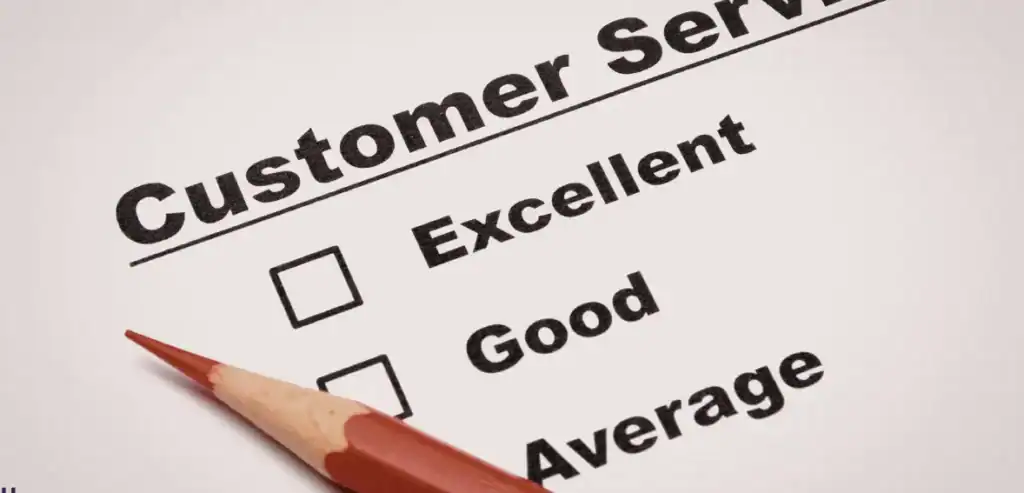
Customer satisfaction serves as a vital measurement tool within key metrics that assess field operations. Contractors collect this information through brief surveys, which they conduct after finishing their work.
Contractors use satisfaction score tracking to assess customer perceptions of their service. Businesses with high scores receive repeat customers who provide them with positive online reviews.
Gathering Field Service Data Without Overwhelming Your Team
Many contractors assume that collecting data requires complex systems or advanced technical knowledge. Service businesses possess valuable operational data, which they use to conduct their daily activities.
Service invoices, technician schedules, job completion reports, and customer feedback all provide useful insights. The key is organizing this information through consistent field service data tracking.
Contractors can begin their work process by tracking job start times, completion times, used parts, and needed follow-up visits. The basic spreadsheet system enables managers to record data, which they can use to track patterns throughout different time periods.
Digital platforms with analytical support for contractors work as standard tools in modern service businesses. The field service management software system gathers operational data in real time, which results in quicker and more precise reporting. These systems enable users to collect data more efficiently while decreasing the amount of manual work needed for performance assessment.
The goal is not to collect every possible metric at once. Contractors should begin their tracking process by monitoring critical business data before expanding their analytical work to new areas.
Using FSM Reporting Dashboards to Visualize Performance
The process of deriving meaningful results from collected data begins after data collection. The construction industry uses FSM reporting dashboards as essential instruments to support their work activities.
The dashboard system enables users to convert unprocessed data into graphical representations, which simplify data comprehension. The single-screen display allows managers to review essential metrics without needing to study complete spreadsheets.
A standard FSM reporting dashboard displays essential operational metrics representations, which include total completed jobs, technician work rates, first-attempt success percentages, and average task completion times. Visual displays make it easier to detect trends and identify potential problems.
Contractors can use this information to track changes in their first-time fix rates throughout specific months of the year. This may lead managers to investigate possible causes such as training gaps or equipment shortages that affect technician performance.
Dashboards provide a system for teams to monitor their advancement towards achieving their operational targets. The dashboard system enables managers to track improvements after they establish performance expectations for job completion rates and customer satisfaction levels.
These dashboards enable contractors to gain operational insights and respond quickly to changes.
Making Improvements Through Data-Driven Field Service Decisions
Data-driven field service works best when companies actually use the insights from their data.
The contractor analyzes service call data to identify that specific repairs require the use of particular parts that appear in substantial numbers of repair cases. The company achieves higher first-time fix rates and lower repeat visit rates by making that part available to all technicians.
Another example shows how data can improve technician productivity. Managers should evaluate the scheduling and routing techniques used by the technician who delivers higher work output to all other technicians. Sharing these best practices across the team can improve overall efficiency.
Service demand data analysis enables organizations to discover service demand patterns that occur in different geographic locations. Technicians dedicate their work to specific regions when multiple service requests originate from that same area. This system decreases technician travel time while enabling faster customer service response times.
These small improvements can lead to higher productivity and better profits.
Creating a Data-Driven Culture in Field Service Operations
Building a data-driven field service operation also requires creating a workplace culture that supports data-based decisions.
Field service managers need to conduct frequent KPI assessments together with their respective teams. Performance data sharing enables technicians to see their direct impact on the organizational objectives.
Some businesses even display key metrics on internal dashboards or scoreboards. The system establishes friendly competition between technicians, which drives them to enhance their service performance.
Organizations must use performance metrics, which exist as tools, to direct their operations. Contractor performance metrics exist to help organizations discover their improvement areas, which they should use to develop their personnel.
Data assessment meetings, which occur on a regular basis, work to strengthen this particular attitude. Teams use analytics as a tool for shared advancement when they analyze patterns together, which creates solutions for their needs.
Organizations that practice field service analytics develop better operational processes and superior decision-making capabilities.
Conclusion
Contractors gain better operational insights through field service analytics, which enhances their understanding of business operations. The service industry can find efficiency improvements and better service delivery through tracking vital performance indicators, which include first-time fix rate, response time, technician productivity, and customer satisfaction.
The combination of continuous field service data tracking and effective FSM reporting dashboards and operational analytics tools enables small businesses to turn their routine operational data into important business insights. The insights enable contractors to drive operational efficiency by improving their scheduling processes while enhancing service delivery to their customers.
Companies that adopt a data-driven field service approach and focus on important performance metrics can build more efficient operations and support long-term growth.
FAQs
I’m not a numbers person. Can I still use field service analytics?
Yes. Modern tools enable users to conduct field service analytics because these tools provide straightforward dashboards and automated report systems that present data in an understandable format.
Which field service KPIs should contractors track first?
Start with the first-time fix rate, job completion time, and customer satisfaction. These metrics reveal both efficiency and service quality.
How can contractors collect customer satisfaction data?
Send short surveys through email or text after each job. Even simple ratings provide useful feedback for improving service.
What should I do when my software system generates excessive reports?
Focus on a few important metrics that affect productivity and customer service.
Can analytics really increase revenue for contractors?
Yes. Field service analytics helps contractors identify inefficiencies, which leads to reduced repeat visits and better scheduling. The result allows contractors to complete more jobs while increasing their profit margins.