

Preventing Payment Delays: Contractor Invoice Best Practices
For most contractors, money is money. But it’s more than that. Delayed payments can put pressure on the entire business, from keeping the lights on to meeting project milestones and maintaining good communications with vendors.
The financial issue is compounded by the fact that even the most experienced contractor, with solid relationships with clients, can be caught in the mire of delayed payments due to their invoicing process.
The reality is that most payment delays stem from poor invoicing processes. Invoices that are difficult to understand, inconsistent, lacking in documentation, or poorly communicated. However, by making simple adjustments to how you invoice, send, and track invoices, you can dramatically reduce payment delays.
This article focuses on contractor invoice best practices to help you secure faster payments, reduce disputes, and improve your client relationships. You’ll learn how to ensure your invoicing process is professional, efficient, and effective.
Understanding the Root Causes of Payment Delays

Before addressing invoicing practices, it’s worth outlining the reasons why contractors get paid late. In most cases, delays are caused by friction in the payment process, not a refusal to pay.
When invoices are vague or difficult to understand, vendors can delay payment until the client has a better understanding of what they are being invoiced for. Missing items, such as purchase order numbers, billing addresses, and payment instructions, can delay payment.
Timing can also be an issue. Sending an invoice late or at irregular intervals can delay billing if a client bills on a schedule. Many companies process payments in batches. Missing a cycle means waiting until the next one.
Disputes are another cause of payment delay. Disputes can arise when there is a discrepancy between the terms of the agreement and the amount submitted for payment. Disputes can arise when the scope is unclear or when the client is dissatisfied with the quality of work.
Establishing Clear Payment Terms From the Start
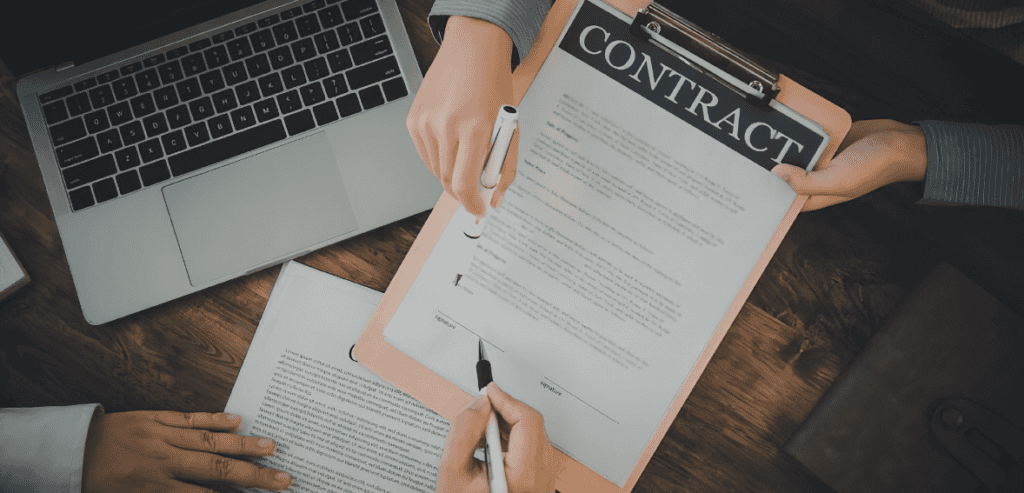
One of the best ways to avoid payment delays is to set clear expectations before any work is done. Contracts or agreements should include payment terms, and clients should be aware of these terms before any work begins.
Clarity is key. Clients need to know when invoices will be sent, when payments are due, and how to make payments. When these details are clear, the risk of confusion or disputes later is minimized.
Consistency is also important. By using the same payment terms for each project, you help clients understand what to expect from your invoice process. Inconsistencies can cause confusion.
Once you have set expectations at the beginning of a project, invoicing becomes a normal part of the process. It should not be a source of friction.
Creating Professional and Detailed Invoices
An invoice reflects your professionalism. It is more than just a request for payment. It represents your business.
Detail is key. Your invoice should describe the services that were provided. These descriptions should align with the agreed-upon project scope. Vague descriptions can cause confusion or delay payment. Specific details show that you know what you are doing.
Dates are important. In addition to the invoice date, it is helpful to include the days the service was performed and the due date.
Accurate calculations are a must. Clients will notice if the totals or tax amounts are off. Corrections can be time-consuming and frustrate the client. Taking the time to double-check your invoices before sending them can prevent further delays.
A professional and clear format. An organized layout, consistent branding, and an easy-to-read format all convey professionalism and help the client navigate the invoice quickly.
Timing Your Invoices for Faster Payments
When you send your invoice, it is equally important how you invoice it. Timing matters when you want to get paid fast.
If you invoice promptly after finishing the work, you have the details fresh in the client’s mind. If you wait to invoice, there is also a chance the payment will be delayed, because the client can put that task lower on the list.
If you match your invoicing to the client’s payment cycle, that can also help with timing. Many organizations make payments on specific days or at specific times. Knowing the client’s cycle lets you time your invoice sends.
If you keep your timing consistent, it builds trust with the client. If the client knows when they will receive the invoice from you, they can plan, reducing the risk of delayed payments.
Leveraging Invoice Automation for Efficiency
Manual invoicing can be tedious and error-prone. Automated invoicing is a better solution that streamlines the entire process.
With an automated system, you can set up your invoice templates and let the system generate the invoices for you. You can specify when invoices should be sent to avoid background processes.
The system also provides invoicing tracking. You can see whether an invoice has been viewed by the client or paid, so you can follow up on time.
With invoicing automation, you can get a better handle on invoicing and reduce your administrative workload. You can focus on the important aspects of your business.
Communicating Clearly With Clients
Clear communication is the key to quick payment. Even the best invoice can get delayed if communication is absent.
Before you send out an invoice, you can send the client a quick note to let them know an invoice will be on its way. It helps them prepare and assures it will not be missed.
After you send the invoice, keep the communication channels open. If the client has any questions or concerns, address them promptly.
Communication should be professional, polite, and purposeful. It sets the stage for a collaborative relationship. With clear, proactive communication, contractors can facilitate a smooth payment experience for clients.
Following up Without Damaging Relationships
Follow-ups are a necessary part of the invoicing process, but they should be handled with nuance. The goal is to remind, not to nag.
A follow-up shortly before the invoice is due can be very effective. If payment is overdue, another follow-up is in order; however, it should not be harassment.
The words you use are important. Do not use accusatory or confrontational language. Focus on collaboration and resolution.
Follow-ups should be done consistently so the invoice is not forgotten. However, a follow-up that crosses the line into harassment can damage client relations. The key is to be persistent while maintaining a professional approach.
Offering Multiple Payment Options
When clients have convenient payment options, they tend to pay faster. Offering different payment methods removes one more excuse for delay.
Some clients prefer ACH bank transfers, which are cheaper for larger amounts. Others may want to pay by credit card for the convenience, even with the processing fee. Some still prefer checks. By offering flexibility, you meet the client where they are instead of forcing them through a single channel.
Make the payment instructions clear on every invoice. Clients should understand exactly how to pay and what information is needed. When you make it easy for clients to pay, you decrease the likelihood of delays.
Managing Disputes Proactively
Disputes are often a major culprit in delayed payments. The good news is that most disputes are avoidable if you’re proactive about documentation and communication.
Document everything from the start. Record what you agreed to, all changes to scope, and communications about the work. This isn’t just good practice for disputes — it’s good practice, period. If a disagreement does come up, you’ll have a paper trail instead of a he-said-she-said situation.
Be transparent throughout the project. Keep the client updated on progress, and confirm any major changes in writing before proceeding. A client who feels informed is far less likely to push back when the invoice arrives.
If a dispute does happen, don’t let it sit. A delay in resolving a dispute almost always leads to a delay in payment. Approach it with a problem-solving attitude, focus on finding a resolution, and keep the tone professional.
Building Trust Through Consistency
When clients trust you, they tend to pay faster. That trust doesn’t come from one good invoice — it comes from a pattern of reliability over time.
Consistently invoicing accurately and on schedule shows clients that you’re organized and that you take the business side of the relationship seriously. When a client knows your invoices are always correct and always on time, the payment becomes routine rather than something they need to scrutinize.
Delivering quality work is the other half of the equation. When clients are happy with the results, they’re naturally more motivated to pay promptly. Good work combined with professional invoicing builds the kind of relationship where payment delays become rare.
Using Data to Improve Billing Practices
Your invoice history is a goldmine of information if you actually look at it. Review your payment data regularly to spot patterns. Which clients always pay on time? Which ones consistently need follow-ups? Are there specific invoice amounts or project types that tend to get delayed?
Pay attention to recurring issues within your invoices as well. If a particular line item or description keeps triggering questions from clients, that’s a signal to change how you present that information. Small tweaks to your invoice format based on real data can have a big impact on payment speed over time.
Aligning Billing With Project Milestones
For larger projects, waiting until the end to send a single, large invoice is risky for your cash flow. Milestone billing breaks the project into phases, and you invoice at each phase instead of all at once.
This works better for both parties. You get a steady flow of cash throughout the project, rather than waiting months for a lump sum. The client gets smaller, more manageable payments tied to visible progress. And if there’s a disagreement, it’s limited to one milestone rather than the entire project.
Make sure both parties agree upfront on what constitutes a completed milestone. A common structure for a $50,000 project might be 30% at foundation, 30% at framing, 30% at finish work, and 10% at final walkthrough. Define it clearly in the contract so there’s no ambiguity when the invoice arrives.
Strengthening Internal Processes
Your invoicing process is only as effective as your internal workflow. Even the best practices fall apart if your team isn’t on the same page.
Standardize your process. Create templates that your team uses for every invoice, establish an approval workflow so nothing goes out with errors, and set a clear timeline for when invoices should be generated and sent after a job is completed.
Train your team. Make sure everyone involved in the invoicing process understands their role, from the field crew documenting hours and materials to the office staff generating and sending invoices. A breakdown at any point in the chain creates delays.
Review and improve continuously. Check in on your invoicing process every quarter. Look for bottlenecks, recurring errors, and areas where things are slipping through the cracks. An effective invoicing process isn’t something you set up once and forget about.
Conclusion
Payment delays don’t have to be an inevitable part of contracting. Most of the time, the fix isn’t to chase clients harder — it’s to invoice smarter.
Clear payment terms, professional and detailed invoices, consistent timing, and proactive communication are the foundation. Automation, milestone billing, and data-driven improvements are what take it to the next level.
When you treat invoicing as a strategic part of your business rather than an afterthought, it stops being a source of friction and starts being a tool that protects your cash flow, strengthens client relationships, and lets you focus on the work itself.
Frequently Asked Questions
What Can Be Done to Reduce Payment Delays?
Offer multiple payment options like ACH transfers, credit cards, and online portals. Invoice promptly after completing work, match your invoicing schedule to the client’s payment cycle, and use automated reminders. The more convenient and predictable you make the process, the less likely there’ll be delays.
What Are Common Payment Terms for Contractors?
The most common payment terms for contractors are Net 30, meaning payment is due within 30 days of the invoice date. Net 15 and Net 60 are also used, depending on the project and client relationship. For larger projects, progress billing tied to milestones is standard. Whatever terms you use, they should be clearly stated in the contract before work begins.
How Should I Follow up on a Late Payment Without Damaging the Relationship?
Include the invoice number, amount, and original due date in your follow-up. Keep the tone professional and helpful — you never know if there was a mix-up or if the client is dealing with their own cash flow issues. A friendly reminder at 3 days overdue, a firmer follow-up at 14 days, and a formal notice at 30 days are common escalation steps.
What Is a Delayed Payment?
A delayed payment is a payment made after the agreed-upon due date. It means the contractor is waiting for funds that were expected, which can disrupt cash flow and strain the business relationship. Common causes include vague invoices, missed payment cycles, disputes over scope, and inconvenient payment methods.
How Does Milestone Billing Help Prevent Payment Delays?
Milestone billing breaks a large project into phases, with invoices issued at each phase rather than a single lump sum at the end. This keeps cash flowing throughout the project, reduces the financial risk for both parties, and limits the scope of any disputes to a single milestone rather than the entire contract.